


Non Sancti Olomouc: Medieval Cuisine Full of Flavor
About medieval cuisine with the Non Sancti Olomouc group, which focuses on traditional craft demonstrations, and a tip for the book Gastronomy of the Czech Middle Ages.

What do you find in the article?
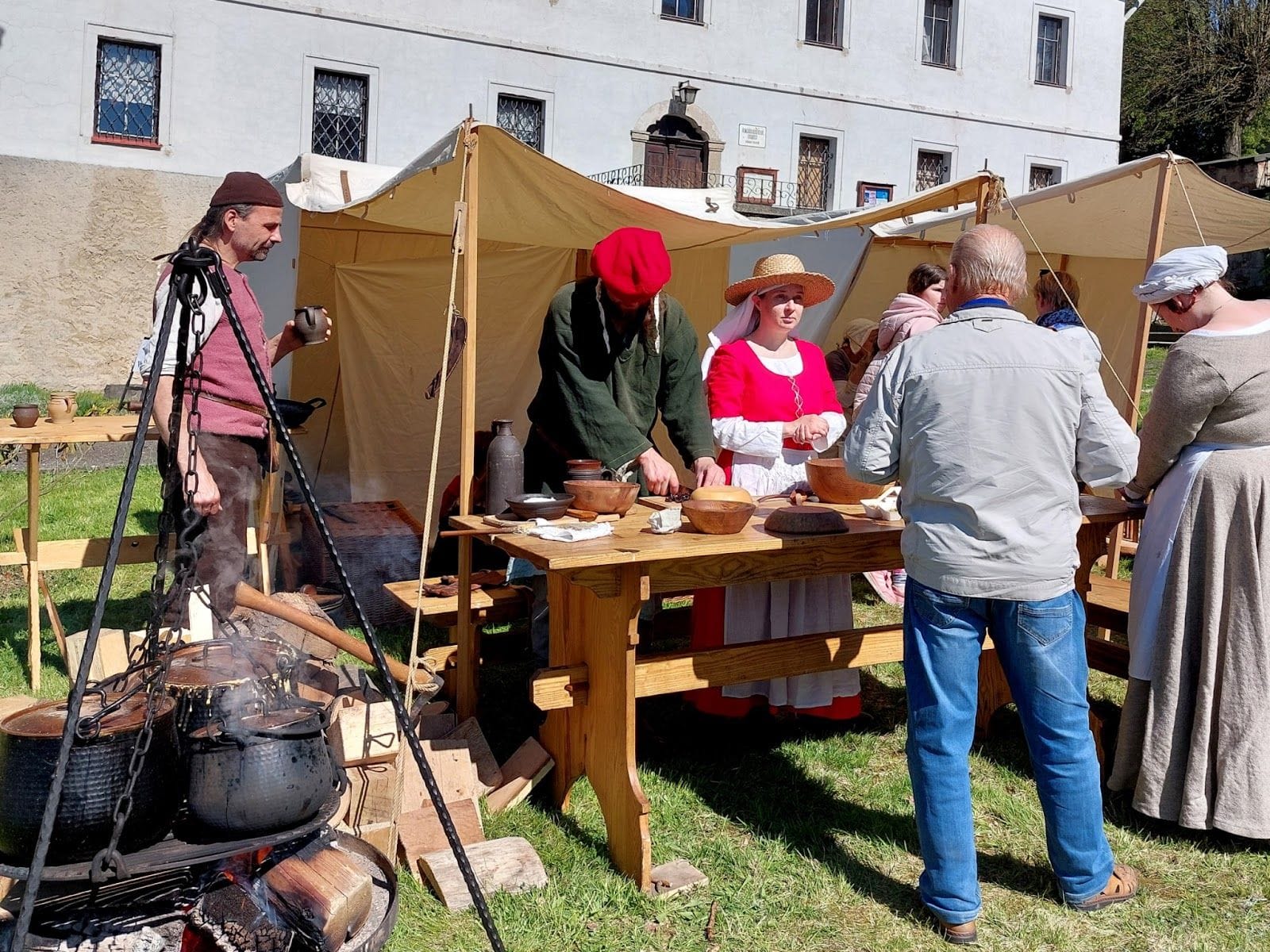
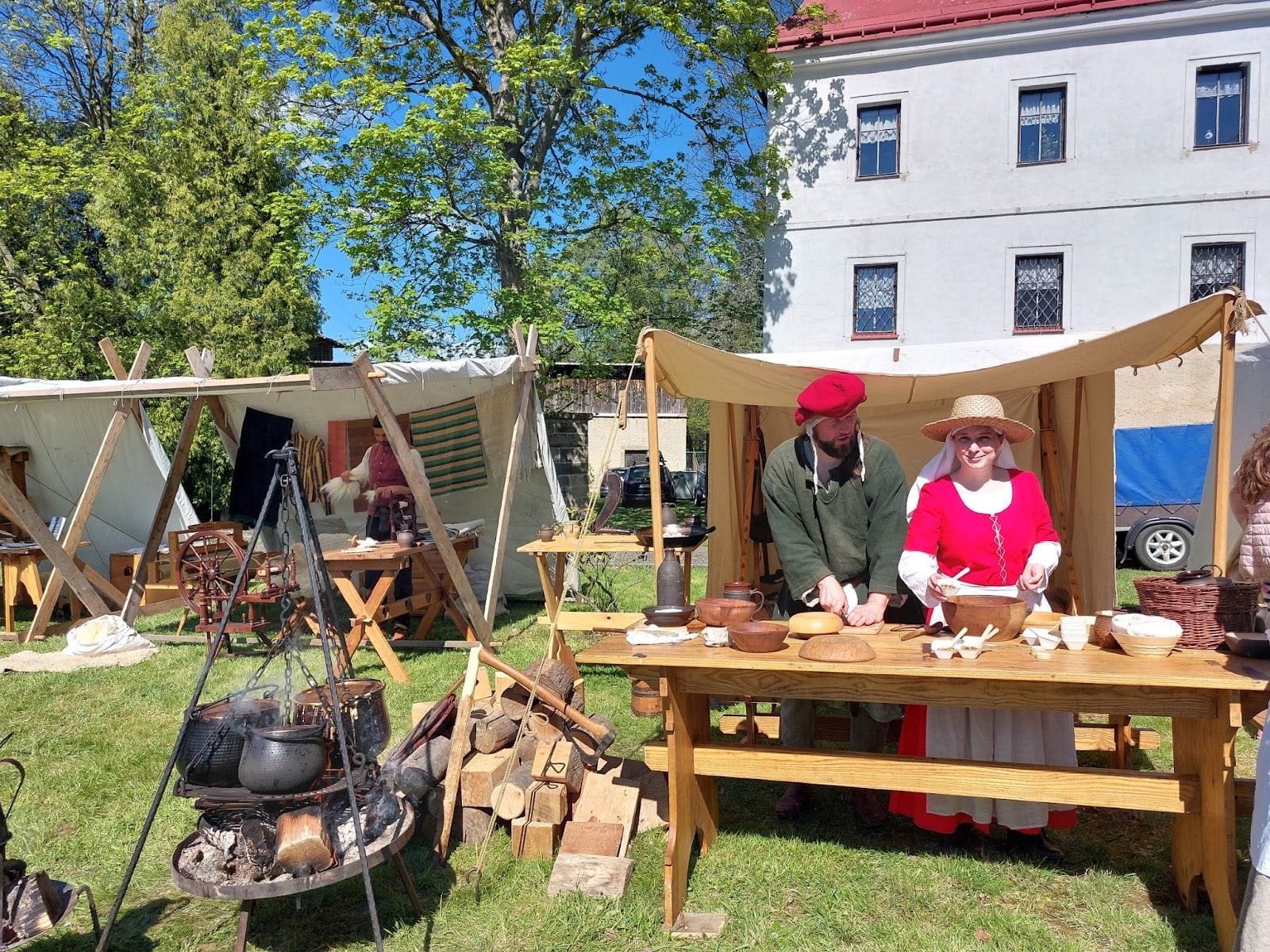
For many years, the Non Sancti Olomouc group has been dedicated to historical reenactment, focusing primarily on the 15th century. In addition to demonstrations of traditional crafts such as shoemaking, woodcarving, pottery, embroidery, weaving, and an armory filled with replicas of medieval weapons, they offer visitors a unique experience in the form of authentic medieval cuisine. The aroma of freshly prepared dishes is often what draws passersby in, not just to watch, but to taste as well.
Photo from a Non Sancti Olomouc event
Specifics of Medieval Cuisine
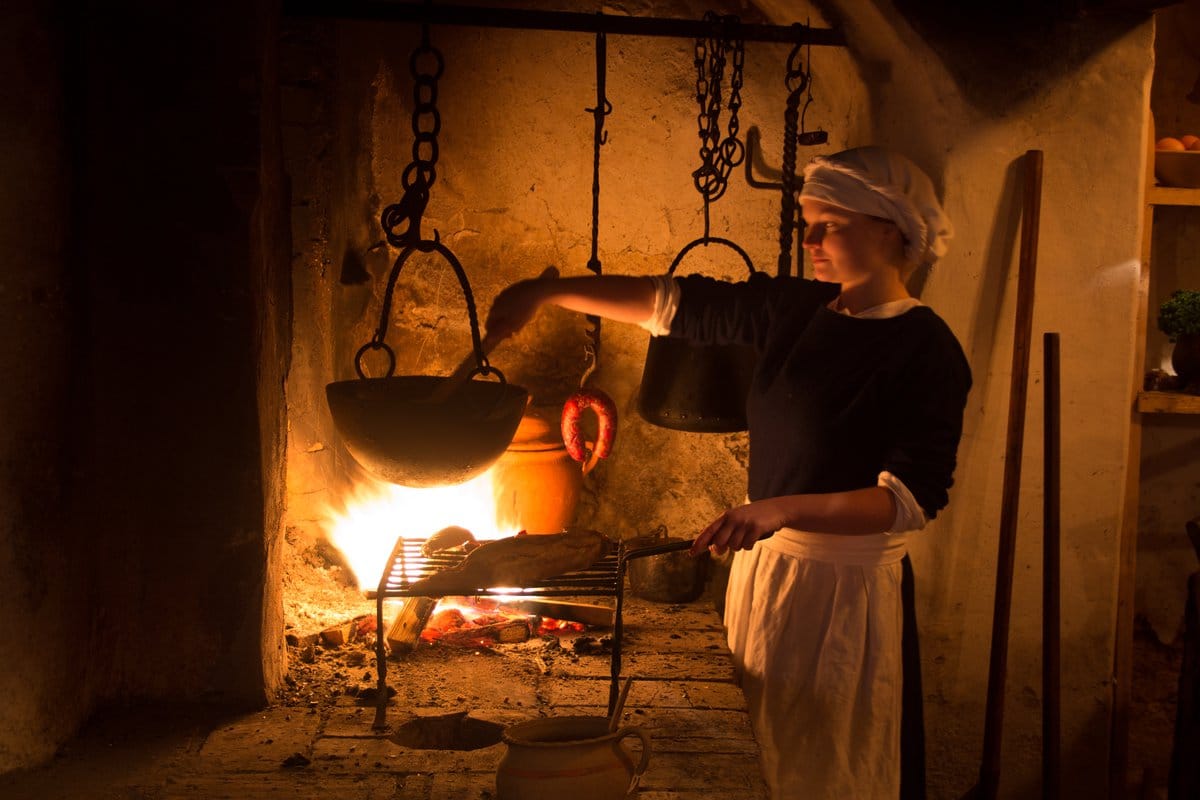
Medieval cuisine in the 15th century differed from modern cooking in many ways. This was due to both the ingredients used and the appearance of the spaces designated for food preparation. Another difference was the social class using the kitchen, whether it was a nobleman, a burgher, or a common peasant. They primarily used locally and seasonally available ingredients, such as various grains, legumes, meat, vegetables, and herbs.
Unlike today's cooking, they commonly used more seasonings, which served both flavor and preservation purposes. Popular spices included pepper, ginger, cloves, or cinnamon; other flavorings included vinegar, beer, and wine. Sugar was a rarity, so honey was used for sweetening instead.
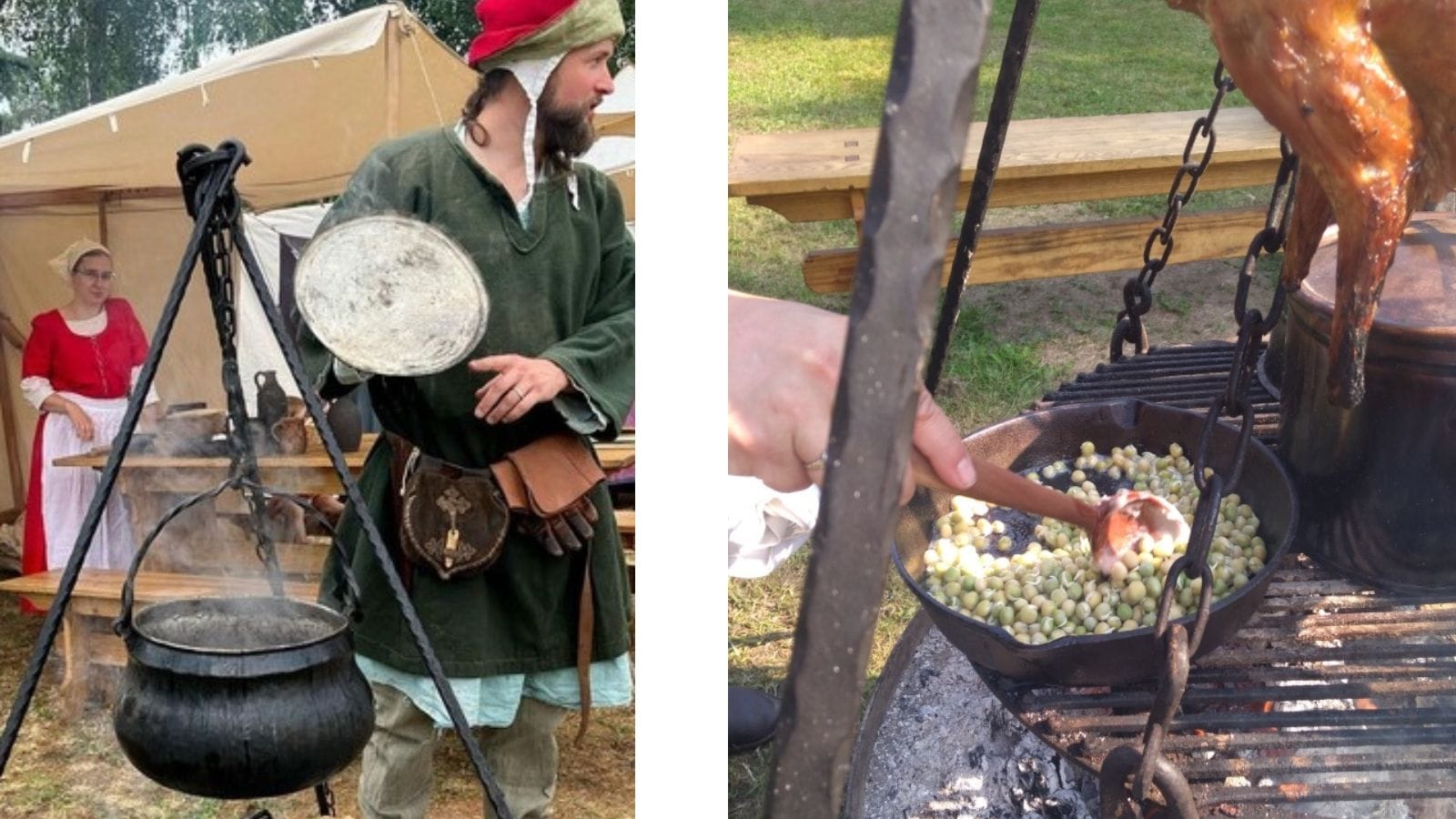
Although we have modern kitchen tools available today, cooks back then had to make do with simple yet functional equipment. For cooking in field conditions, it was essential to have basic gear, which included a large cauldron for cooking over an open fire, a spit for roasting meat, a tripod with hooks for hanging pots, a mortar for crushing spices, and clay or wooden (veneer) bowls and spoons. Ceramic vessels were often used for baking as they held heat well. Wood was generally used as fuel, and the choice of the right type could influence the flavor of the final dish.
Medieval Cuisine Demonstrations
The Non Sancti Olomouc group prepares dishes according to preserved recipes that align with historical realities. Popular meals include thick porridges prepared in both savory and sweet styles, and roasted meat with honey and wine-based sauces (preserved recipes suggest that sweet and sour flavors were popular in the Middle Ages). Preparing food directly on-site over a field fire provides not only a unique gastronomic experience but also the authentic atmosphere of the era that the group strives to recreate as faithfully as possible.
Come see for yourself and taste what history is like!
Gastronomy of the Czech Middle Ages
The book Gastronomie českého středověku (Gastronomy of the Czech Middle Ages) by author Monika Feyfrlíková Černá is very well-crafted, descriptive, and yet not a massive tome. A huge bonus is the photography, which helps the reader visualize individual dishes (and more). The author covers almost the entire breadth of the topic, briefly mentioning the kitchen environment, tools, and tableware, without forgetting the ingredients used.
The recipes you can use for inspiration in your own home cooking are based on various period cookbooks from the European continent and are supplemented with explanations of how the dish might have looked in our territory at the time. I like that it always includes the original recipe and a subsequently rewritten version with measurements for the modern cook. If you want to try what it's like to cook a medieval meal, this book is exactly for you.
Photo source: From the website gastronomieceskehostredoveku.cz
The author's courses, such as How to Prepare a Feast Easily and Quickly II, are a great way to supplement the new knowledge gained from the book. And if you are worried about preparing medieval food, are unsure, or want to further broaden your culinary horizons, I highly recommend attending one of the courses. You can find upcoming courses, articles about medieval gastronomy, and the author's story on the website gastronomieceskehostredoveku.cz.
I couldn't believe that in 5 hours we managed to cook a total of 12 types of dishes. These were meals intended for a nobleman's feast. And we managed to cover both the theory and gain new, practical insights.
As participants, we cooked the food ourselves during the course and, of course, had a great meal. I am glad we took part in this event, met colleagues, exchanged experiences, and left enriched with new knowledge. I am already looking forward to preparing the new recipes for the public to taste during our medieval kitchen demonstrations.
author Kristýna Totová from Non Sancti Olomouc
Kristýna Totová
Autor článků na imago.cz


You might also like
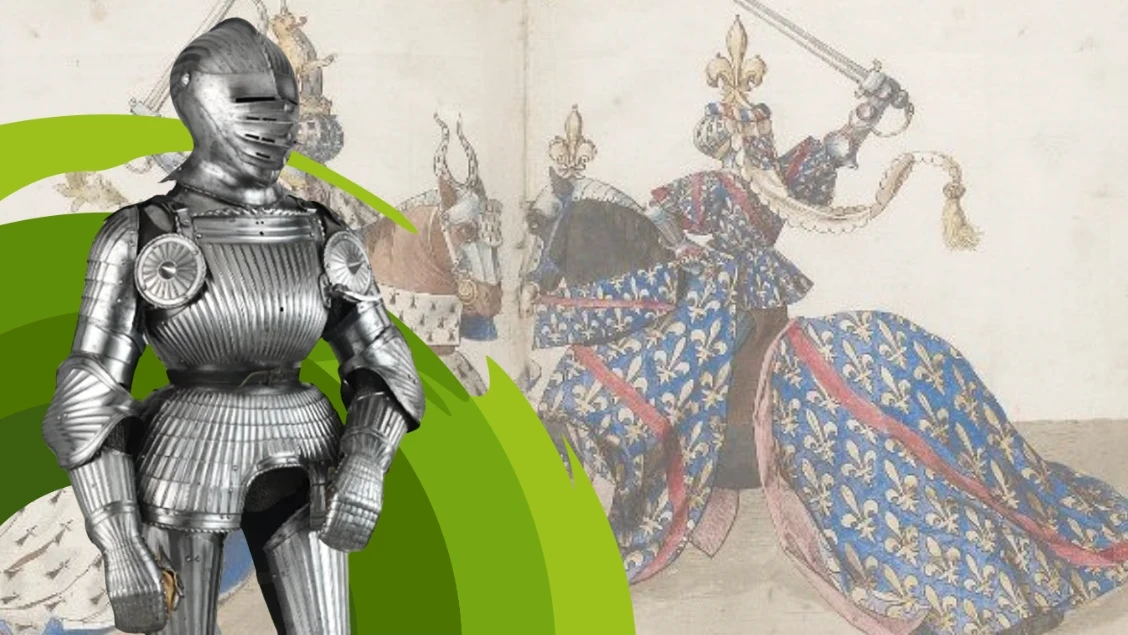
The Meaning and Methods of Tournament Armor Decoration
Peek into the world of noble PR and knightly alter egos at tournaments. Find out why armor didn't have to look scary and why perfect symmetry left craftsmen of the time cold. Inspiration for living history fans and game developers. full article...
27. 6. 2026 Martin Klecán 11 min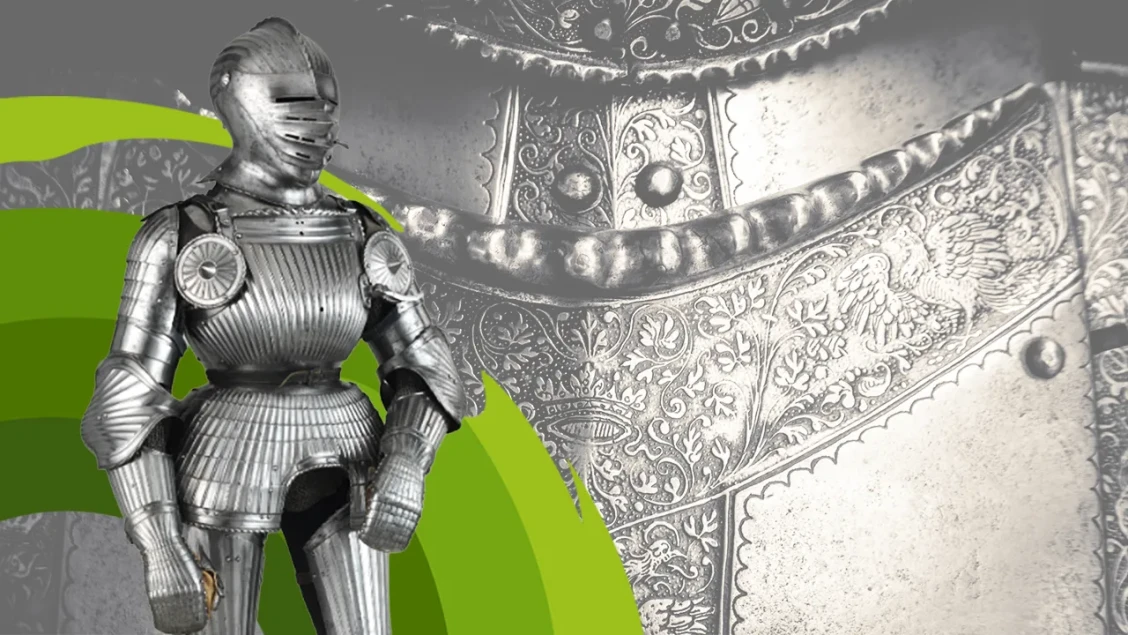
The Aesthetics and Symbolism of Plate Armor
An unconventional talk by historian Martin Klecán about the decoration of plate armor in the Middle Ages and the early modern period, about symbolism and the PR significance of armor with specific examples from museums. full article...
16. 6. 2026 Martin Klecán 13 min