


How to write a gamebook without losing your mind (Part 2)
Have you thought about writing a book? And what about a gamebook? But how do you do it? What are the basics of gamebook design? And how important is the story?

What do you find in the article?
In the first part of our thoughts on writing gamebooks, we focused on the basic characteristics of these specific interactive books. We considered the general themes, the form of storytelling, and briefly touched upon illustrations. Today, we look at game design.
The principle of game design
A gamebook doesn't live by story alone. Sure, let's say if a reader wants to read a story, they'll pick up a book. According to blogger and gaming specialist Ashton MacSaylor, the plot itself doesn't matter that much. Well, I beg to differ. For one-off gamebooks, it's about the feeling of immediate reward (Citadel of Chaos, City of Thieves) for winning the game, yes. But can you just brush off interconnected sagas so easily? Hardly. Lone Wolf. Joe Dever's epic saga has 31 volumes. 31!! Do you think it would be enough to just randomly collect items and die? Honestly, no. You grow alongside the hero. You take on the weight of their responsibility. With each subsequent book, you perceive your growing importance in the author's fantastic world.
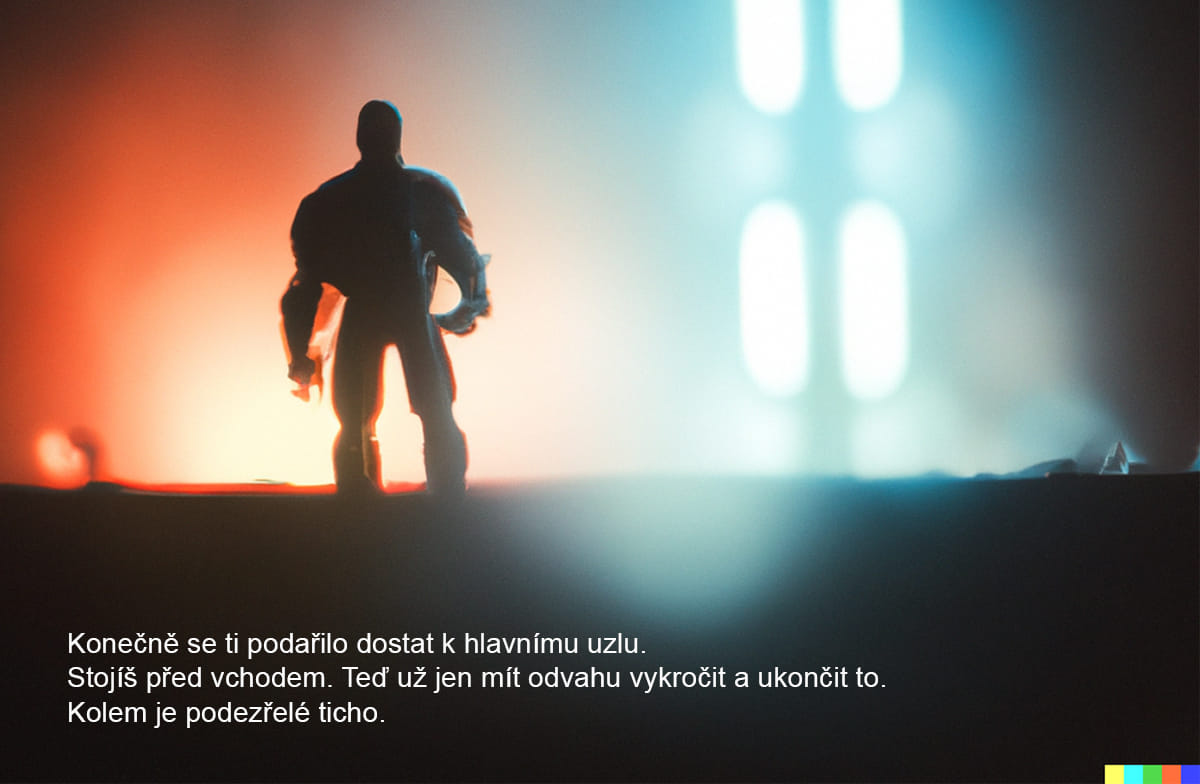
But again, we return to the fact that we are all different and we all look for something different in a gamebook. The writer's mantra – write what you would enjoy reading – applies here more than ever.
Personally, I love those gamebooks where, along with making decisions, I experience an interesting, complex story. I recently got my hands on one while playing Klinika smrti by M. H. Steinmetz. Even though there were a few annoyances on the gameplay side (and I'll get to that), the post-apocalyptic story full of uncertainty, disappointment, and danger pleased me greatly.
So, what should you watch out for when designing your game?
Don't annoy the player – do you think it's cool to just take all the player's items away just because they turned left and you don't like the left side?
No. Don't do it. You'll only annoy the player. There are other ways to stab a player in the back and remain elegant.
Mechanics – according to MacSaylor, game mechanics are what keep the player playing. So, try to come up with a mechanic that is fun (and sustainable within the story). But don't try to reinvent the wheel. Don't overdo it. Complicated math in a combat system is a pain in the ass, not a "cool system".
For example, I'm a big fan of "binary" decision-making – i.e., yes or no (1 or 0). That's why the combat mechanic in my upcoming gamebook will be completely primitive – either you hit, or you don't.
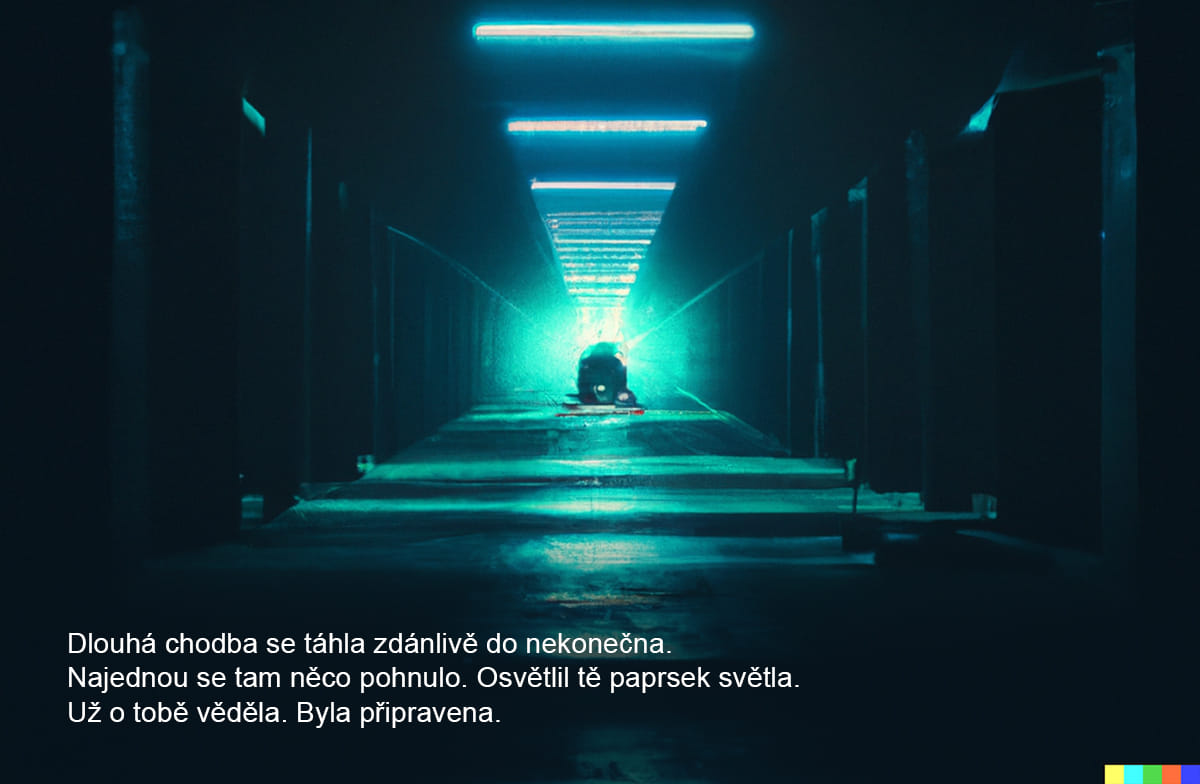
It sounds terribly uninteresting, but it includes many variables that tip the scales in favor of individual sides.
On the other hand, I personally don't really consider combat in gamebooks fun in any form. Let's say I work with it because players are used to it and it sometimes serves as an interesting plot driver – for example, if you kill an unarmed opponent in the heat of the moment, this step will manifest itself somewhere later.
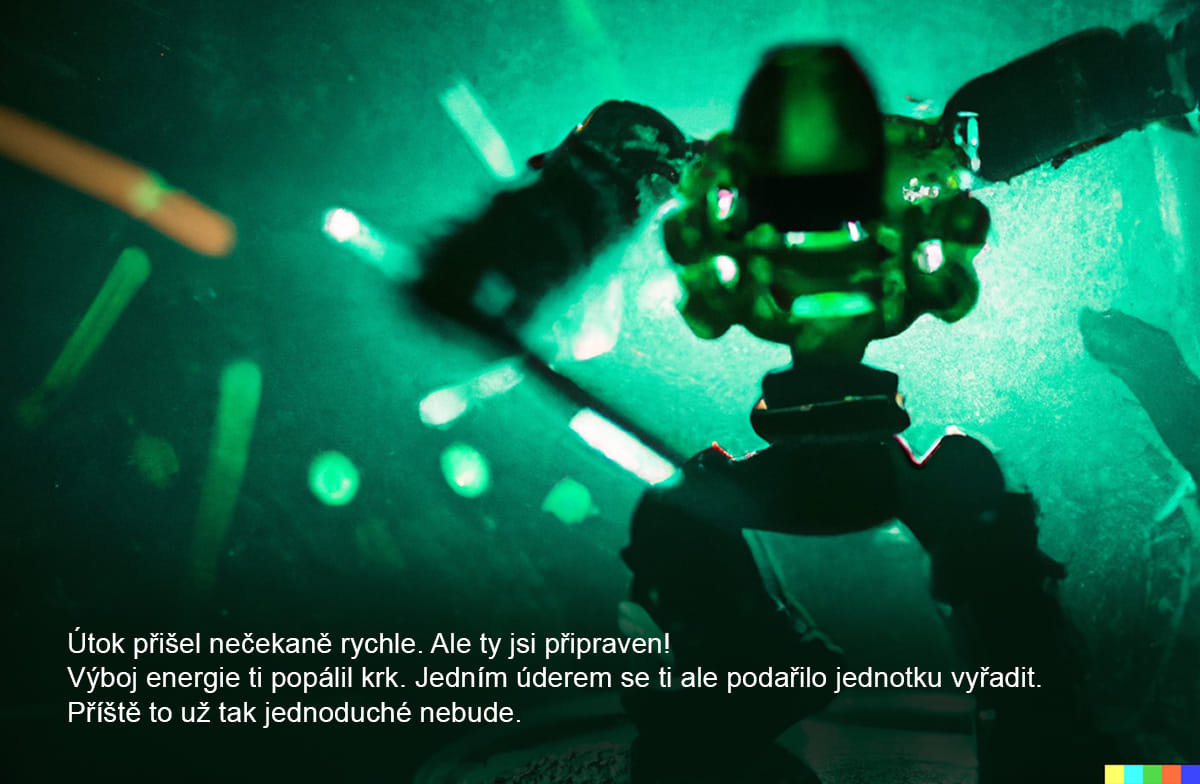
Now I'll reveal something from the future – the primary mechanic (there are more secondary mechanics) of my upcoming gamebook will be a Trust Points system, which will allow you to be perceived in a certain way by side characters. Depending on that, they will react to you, accommodate you, or hate you.
As I wrote last time, I love Star Wars The Old Republic and the game is a great inspiration for me. Although players often complain that BioWare's constantly declared "Choices matter" is just a bluff, they really do matter. Only the end justifies the means. If a turning point is to happen, it will happen. What changes is how you perceive it. How you arrive at it.
Create interesting decisions – these are the ones where the player doesn't have an immediate correct answer. However, it is important that they have enough information to at least be able to guess. Decisions don't always have to be just wrong or right. But they can be more advantageous or less advantageous.
In the book Klinika smrti by Mario Steinmetz, I hated options like: Do you want to go to Priest Street or Green Hill?
How should I know?
I'm moving through a city that, as the author later revealed to me, is the city where he lives. That's why he surely finds the decision-making all the more interesting. And if I had ever been to this city and knew its streets, it would be a luxurious experience!
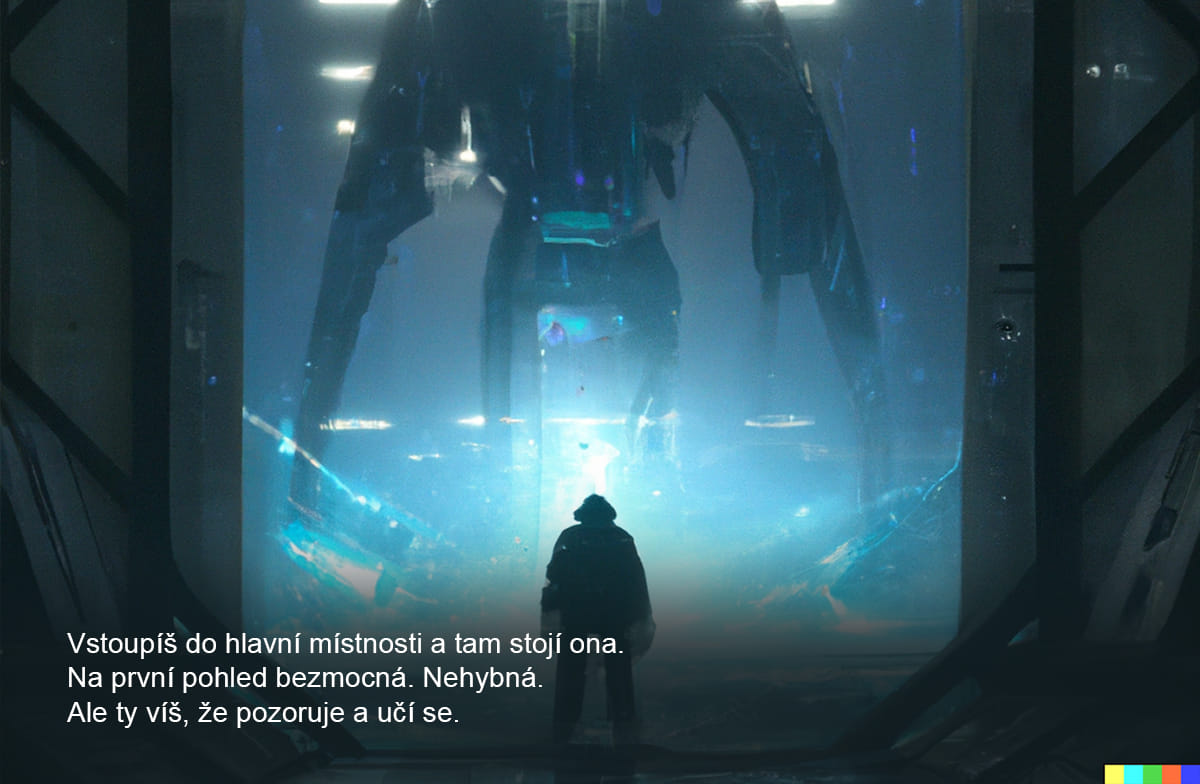
But for me, the city was completely foreign. The street names were unknown. Although I found a map, it was blank. Streets situated "to the south" were more in the center of the map, so guessing whether it was this or that street was completely useless. In the end, I managed to reach the desired goal, but I don't know if it was a coincidence or if all paths in Steinmetz's gamebook simply lead where they should.
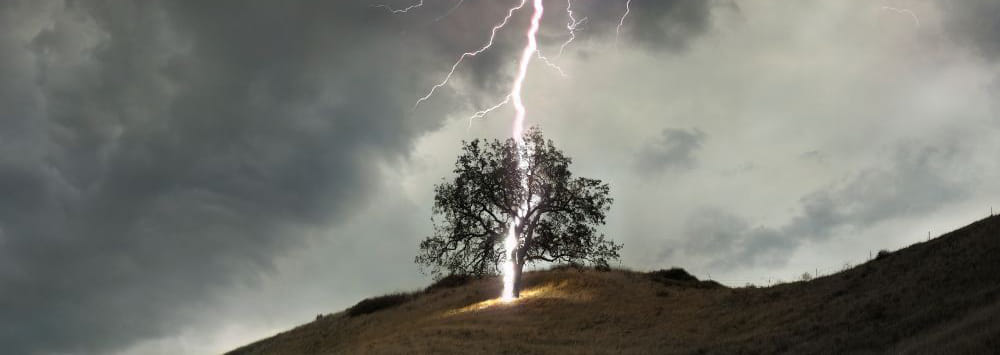
Decisions ending in death should ideally stem from lost fights, a conscious lack of information, or very poor logical decisions. A typical example is when you go to hide under the tallest tree during a thunderstorm.
How do you think that will turn out…
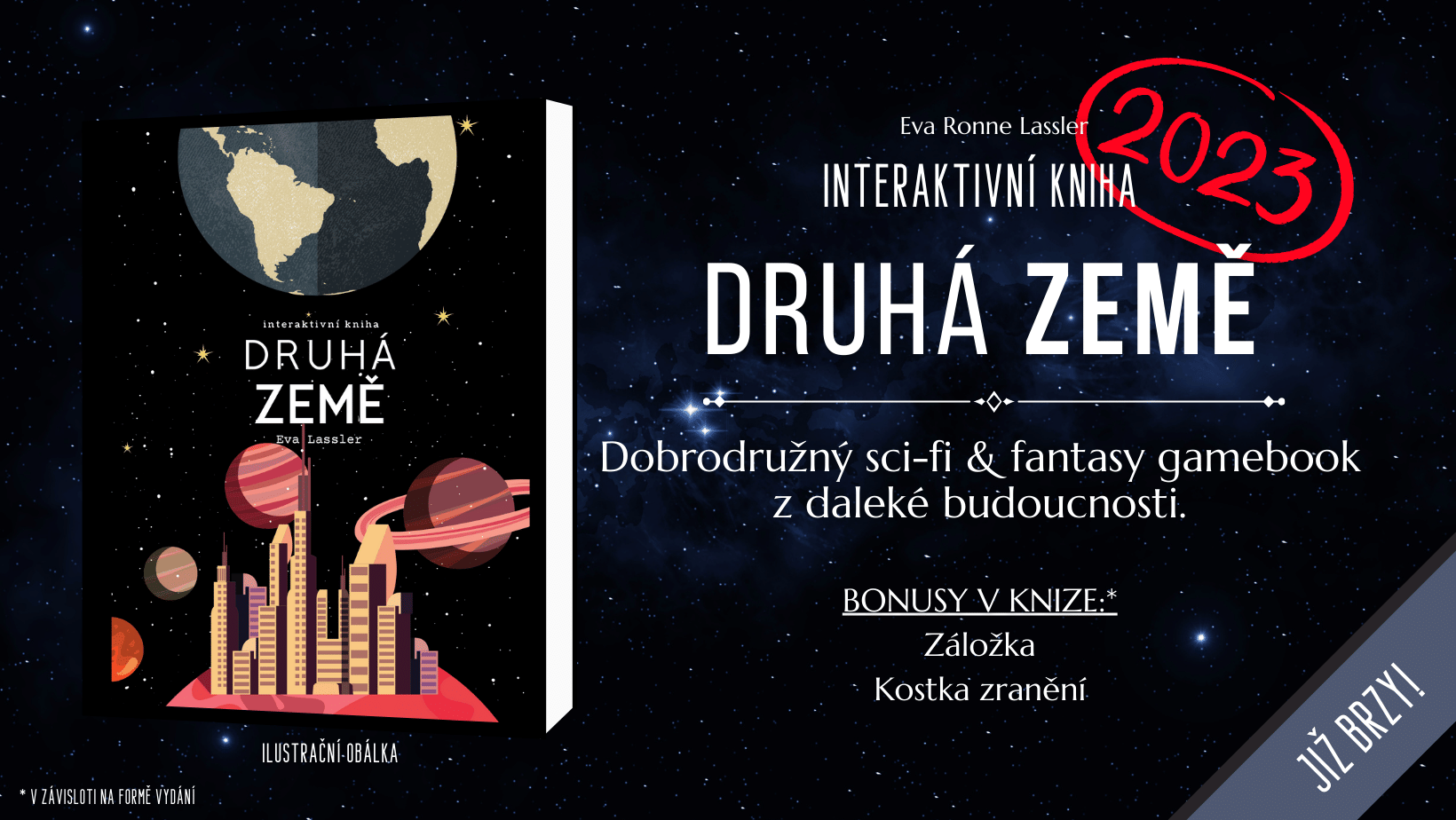
Create a game for the story, not a story for the game – My personal experience is exactly that. When I had the inspiration to write the upcoming gamebook Druhá Země, I hesitated for a while whether it would be better to create a short story, a book, or a gamebook. The plot has a quite complex story, and an even more complex backstory (i.e., a set of previous or accompanying events invented for the given plot). In the end, however, I started to think of mechanics that worked well with the story.
I won't lie, sometimes it's maddening. You are constantly trying to keep in mind that the story must have dynamics. You have to incorporate interesting decisions. And all of that must make sense, have logical continuity. Otherwise, you'll end up like in Klinika smrti with pockets full of useless items that you don't even realistically use in the game.
True, if you are working with a gamebook series, you can offer the player something here and there and let them think it's not needed. And it will be at the end. Or tell them some information that, if they are attentive, they will use in the next book.
I did that in the gamebook Hrdinové Domoviny: Dáma z Agor-Nhat, where at one point you learn a seemingly useless piece of information. However, it can help you a lot in the next part. I call Hrdinové Domoviny the "cleric trilogy". I have an idea for two more sequels in my head (though I have no idea when they will be released).
BONUS POINT: The art of writing – to write a gamebook, you honestly don't need a flowery vocabulary. You could say the foundation is knowing how to describe a situation. If you can do that, you're on the right track.
Brewin's guide on writing better gamebooks (the full English article here) says that the basic mantra for gamebook authors is "show, don't tell". That's why you often won't find descriptions of how a character feels in gamebooks. It's up to the reader to decide whether the situation makes them angry or makes them cry.
Personally, I struggle with this advice internally. I was surprised when I learned in Steinmetz's gamebook that my hero cries over a certain event.
Unconventional? Yes. Distracting? Absolutely not! It helped me understand that it was about more than I originally thought.
If I'm being brutally honest, most characters in gamebooks seem desperately flat to me. I understand why that is! Brewin's guide is not wrong about this. It explains it quite logically.
But do I enjoy it? Hmm… actually, not really.
It doesn't matter if the author occasionally slips in a bit of inner feeling, because for me, the hero I'm playing as becomes plastic, malleable, and real.
In audiovisual media, we watch or play as characters who decide and behave differently than we want. Let Red Dead Redemption II be an example, where the game forces you to break the law. Even though you want to have good karma. And then suddenly you have to shoot up an entire town, even though you'd rather shoot that idiot Micah because he let himself get caught!
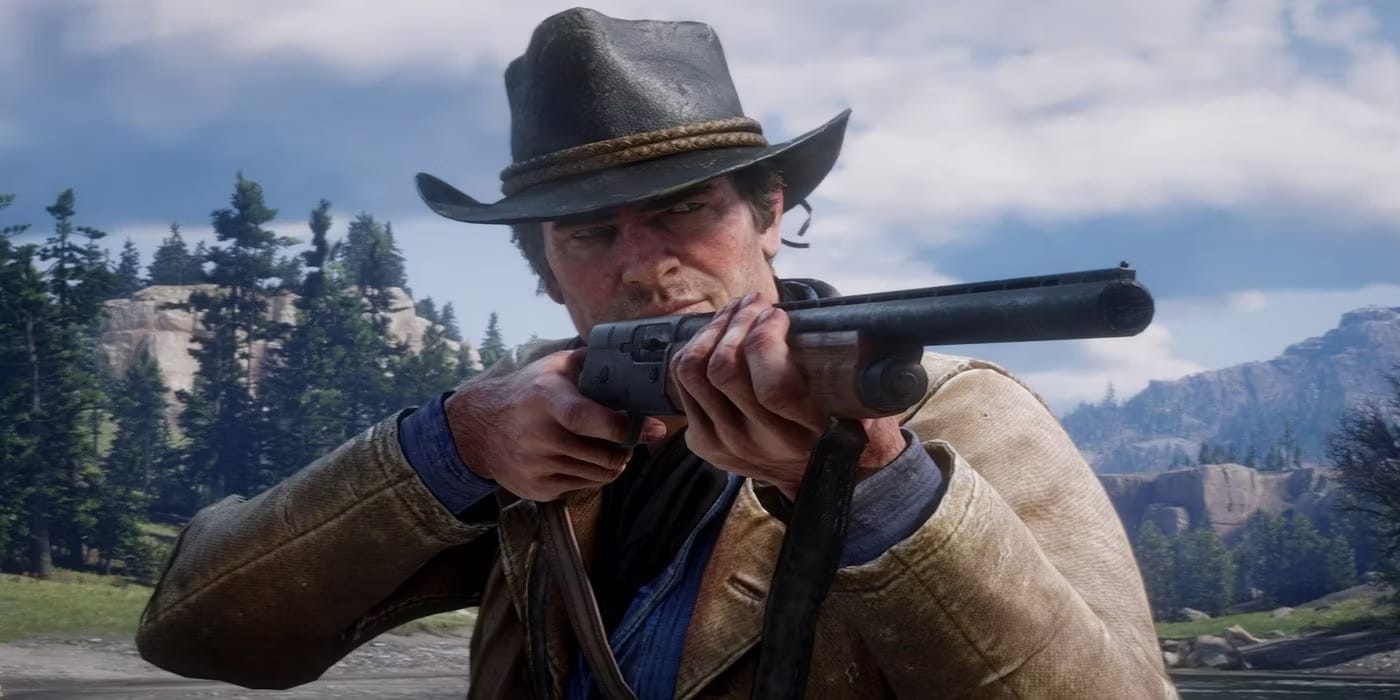
Uff! Ahem… what I mean is that it's petty to claim that gamebooks describing the inner motives of the main character are bad.
The last thought on the Art of writing point is the art of knowing that less is more. Every professional proofreader and copywriter will drill this into your head. Once you write a piece of text, read it again and remove all unnecessary words. Especially those that don't change the meaning. "Fillers" like: and, so, and so, therefore, these, thus, just, etc. You might be surprised how many you find.
But so that writing and creating gamebooks isn't just a set of rules and regulations, don't forget to enjoy writing!
If you are passionate about your own story, think about it wherever you go, talk about it with your family (who absolutely don't understand your thought processes), and experience every decision as if it were the only one, know that it's a good sign.
In the (likely) last part of the reflection series How to write a gamebook without losing your mind, we will show the mechanism of decision diagrams and I will recommend what to do with a finished gamebook.
author Eva Lassler
accompanying images generated by AI DALL-E
List of parts:
How to write a gamebook without losing your mind (Part 1)
How to write a gamebook without losing your mind (Part 2)
How to write a gamebook without losing your mind (Part 3)

Eva Lassler
Eva „Ronne“ Lassler je autorka a výtvarnice z Ostravy. Je spisovatelkou zaměřující se na gamebooky, překladatelkou a organizátorkou festivalu Fantastická Ostrava.
You might also like

Gamebooks for kids – why play them and which ones to choose?
Gamebooks lead children to reading in a fun way and develop other skills too. Our guide explains everything and advises on which gamebooks to choose for little adventurers. full article...
Tips and guides 14. 9. 2026 6 min
Mytago Publishing Newsletter #37
Discover the latest from Mytago Publishing! We're releasing an expansion for The Witcher RPG, a campaign for Pirate Borg, and another installment of Fighting Fantasy. Find out what's in store for you this year. full article...
20. 8. 2026 Jiří Reiter 5 min
What is a gamebook? History and the most famous series
Half game, half story – that is how you could briefly describe the phenomenon called a gamebook. And what are the most famous gamebook series? full article...
Non-fiction journalism 4. 8. 2026 Jiří Reiter, Karel Krajča 7 min