


The Fall of Númenor Book Review - History, Middle-earth Style
Getting your hands on a "new" book by J. R. R. Tolkien is an event that doesn't happen every day. We finally have the Czech translation of The Fall of Númenor. What's it like?

Getting your hands on a "new" book by J. R. R. Tolkien is an event that doesn't happen every day. Middle-earth has been with me since childhood; it introduced me to fantasy and, in a way, helped shape what I do for a living today. For me, it all started back in elementary school with (surprisingly) The Silmarillion. I admit, it wasn't an easy start—I had no idea what I was getting into—but I powered through it and fell in love.
Tolkien, a philologist and lover of mythology and folklore, was always writing and inventing artificial languages. At first, there were simple stories for children. One of them became The Hobbit, which was published at the insistence of his former student. Its popularity surprised many, and fans demanded a sequel. It took nearly ten years, and you could say Tolkien's original simple story slightly got out of hand. The result was The Lord of the Rings, a work repeatedly declared the most significant book of the 20th century.
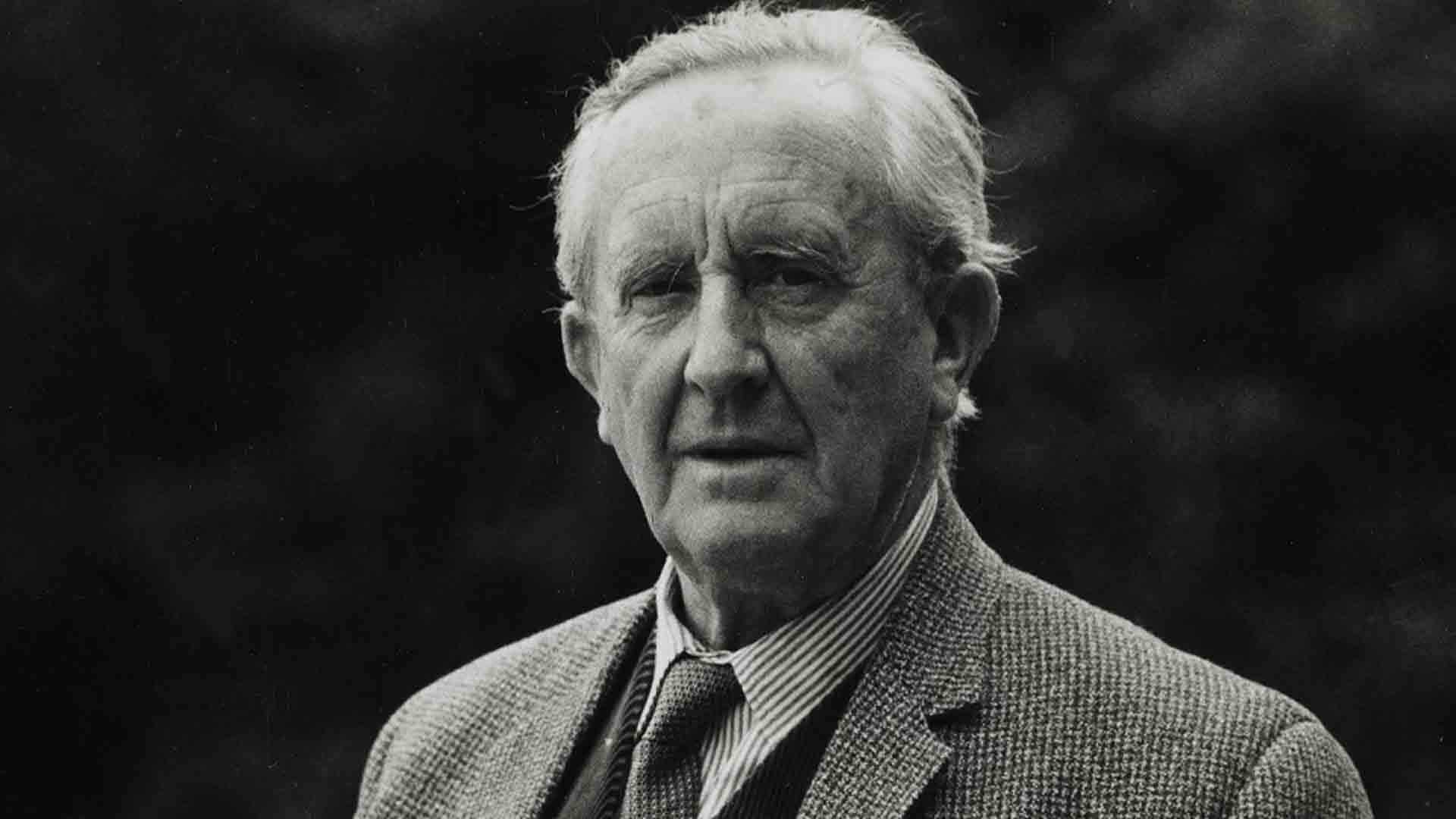
But Tolkien wanted to go even further. He continuously created an extensive history and mythology of Middle-earth. He wanted to expand on what was only hinted at in the story of the Ring. He wanted his characters, places, and every pebble in the grass to have their firm place in history. It was an obsession. The text grew and changed. But it wasn't published until after Tolkien's death, thanks to the tireless work of his son Christopher. And there was still much left that didn't fit into The Silmarillion. Thus, we eventually got Unfinished Tales, The Children of Húrin, Beren and Lúthien, or the truly extensive "encyclopedia" The History of Middle-earth (a twelve-volume opus that hasn't been translated into Czech, and who knows if anyone will ever have the courage to tackle it).
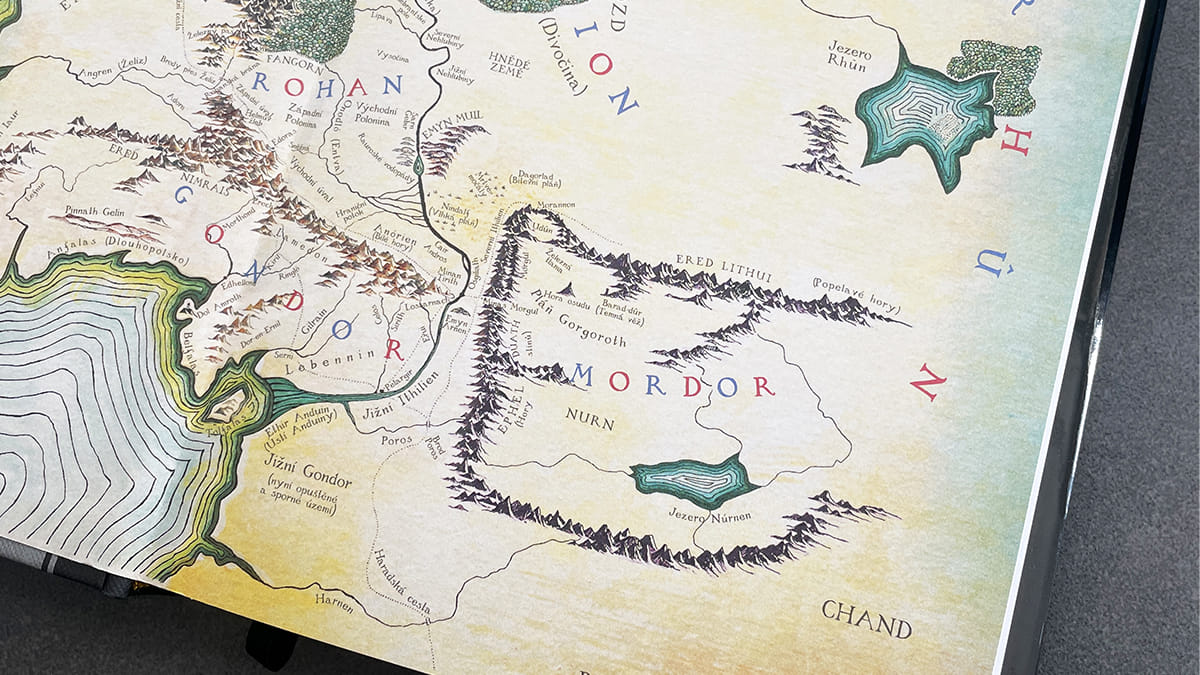
But now, we have finally received the Czech version of the story about the island of Númenor, home to the mighty lords of men—the ancestors of Gondor—and about that unassuming guy everyone calls Strider, who eventually becomes Aragorn, King of Gondor.
The Fall of Númenor is a story from the Second Age of Middle-earth. The Dark Lord Melkor (Morgoth) has been defeated, and as a reward for their sacrifice, men receive the island of Númenor from the gods, where their lineage can flourish—provided they follow a few simple rules: do not try to reach the West, the promised land of Valinor, home of the original Elves and the Valar. Peace reigns in Middle-earth once again, and it seems the worst is over. But then, Morgoth's original servant, Sauron, enters the scene.
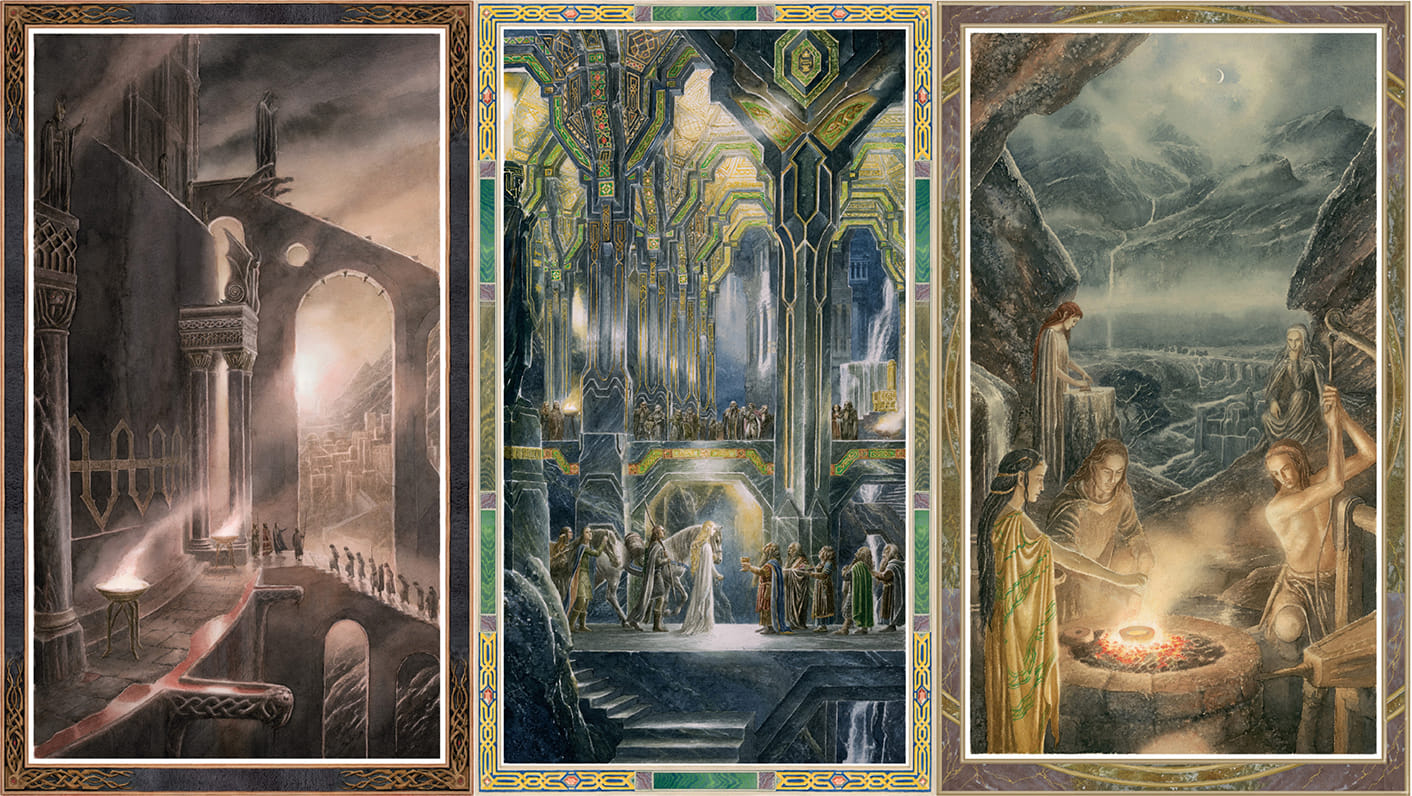
Sauron initially poses as an innocent. He travels through Middle-earth as a beautiful and wise man, spreading smiles and wisdom. He tries to deceive the Elves, teaches them new things, and together they forge a number of magic rings, but in the background, he is intriguing and hatching plans. Eventually, he forges the One Ring, the most powerful piece that controls all other rings and their bearers. When his plan is uncovered by the Elves, he turns his attention to men. This lesser race, hungry for glory and immortality, seems like an easier target.
The Fall of Númenor is not a cohesive story. It is not a novel in the true sense of the word. It is more of a chronicle, a list of chronologically arranged events and dates. Some things are only briefly sketched out, while elsewhere there are multiple stories, and the whole thing feels like a history textbook. Here, the text is expanded with an excerpt from The Lord of the Rings; there, with a piece of a Tolkien letter, and so on. What does Tolkien's estate actually look like? I've always imagined it as a big box filled with scraps of paper and sheets containing fragments of stories, ideas, different versions of texts, and notes on napkins. What must it be like to stand by such a box, knowing you have to go through it all and try to turn it into a book…
Well, it works. But you have to count on the fact that the result is definitely not a book for everyone. It is not classic prose with a beginning and an end. At times, you feel like you're doing a school essay. History unfolds before your eyes, characters change, and thousands of years fly by. You often regret that a certain event isn't fleshed out more, and you long to look around the corner and see everything that is only briefly mentioned. But I tell myself that this is essentially the magic of Tolkien's world. As Gandalf said in Moria: "There are older and fouler things than Orcs in the deep places of the world." A mere hint is enough, and your mind starts creating images. Tolkien was a master of this.
So, what about Númenor? Is it worth it? If you are a fan of Middle-earth and long to catch a glimpse of its shores again and learn something new from its vast history, I'm surprised you don't already have the book at home. But if you are looking for a cohesive fantasy story, you will leave empty-handed, and it would probably be better to look elsewhere. The Fall of Númenor is definitely not reading for everyone. I belong to the first group, so I enjoyed the read immensely.
author Karel Krajča

Karel Krajča
Šéfredaktor, content creator a organizátor festivalu Fantastická Ostrava. Fanoušek fantastiky, videoher, deskových her a popkultury obecně. Příležitostný milovník malování figurek a craftení všeho druhu. Hudební závislák a amatérský znalec fyziky a matematiky.
You might also like

How the friendship between Tolkien and Lewis created modern fantasy
How did one afternoon in Oxford change literature? Read about the alliance between Tolkien and Lewis that gave rise to Middle-earth and Narnia. full article...
3. 6. 2026 Tereza Nesvadbová 6 min
Heroes V - high fantasy LARP where dreams come true
Discover the world of Heroes V - The Thirteenth Eclipse! An epic LARP full of magic, battles, and roleplaying that will pull you into an adventure you won't find anywhere else. full article...
Non-fiction journalism 12. 5. 2026 Ivo „Bonhart“ Nepeřil 3 min
Review of the board game The Hobbit: An Unexpected Journey
Draft dice, collect resources, and defeat Smaug the dragon. The Hobbit board game is here! Find out in our review why this new release should be on your table. full article...
Reviews 29. 12. 2025 Jana Mrkvicová 4 min