


Painting Miniatures for Beginners: First Steps
The sight of an army of beautifully painted models moving across a perfectly crafted terrain is sure to please the eye and warm the heart of every modeler. Looking at such a massive work, one often doesn't know where to start.

The sight of an army of beautifully painted models moving across a perfectly crafted terrain is sure to please the eye and warm the heart of every modeler and fan of wargaming. But where to start? Is painting miniatures really that complicated? In this article, we'll show you what to focus on at the beginning and what you need to get. There's really nothing to be afraid of.
We'll cover all the options that miniature painting offers, along with individual techniques and tools. As you read, you might find that a few practical tips and procedures will come in handy to make your life easier if you want to get into miniature painting.
Paints
To start, you'll definitely need quality acrylic paints. They are easy to work with, water-soluble, and dry quickly, so you'll finish painting your miniatures in no time. Many manufacturers offer hobby paints, and it can sometimes be hard to choose. In our selection, you'll find only well-known and customer-verified brands that pride themselves on quality. These include Citadel paints from Games Workshop, Army Painter paints, Vallejo, Green Stuff World, and AK Interactive.
Tools and Brushes
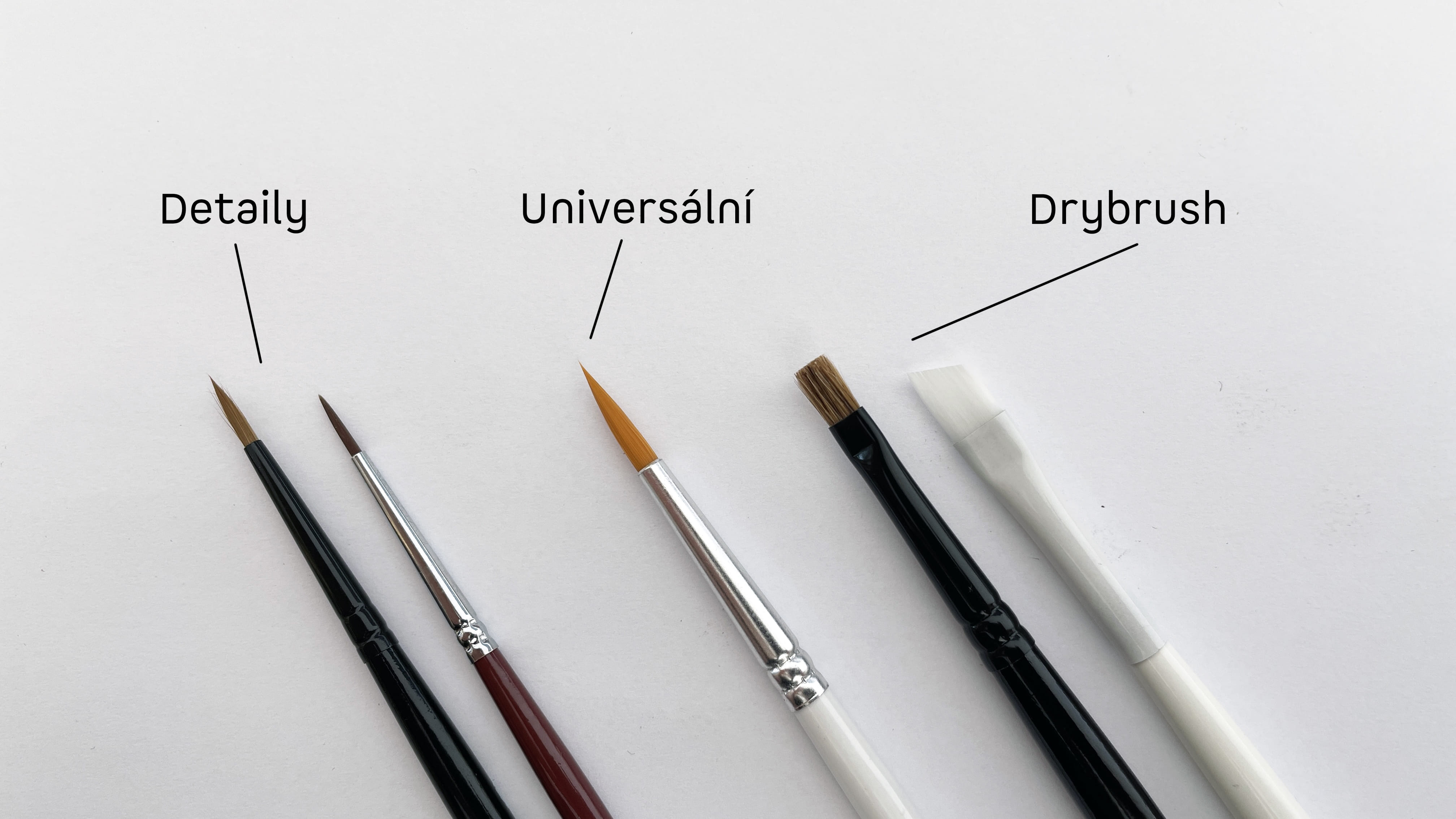
Next up are paintbrushes. Again, you'll only find offerings from top manufacturers here. We can recommend the kolinsky set Green Stuff World – Starter Brush Set. Furthermore, Citadel brushes, which are categorized by painting technique and size – for example, Citadel Base S is suitable for applying base coats. The Army Painter offers brushes for various techniques, as well as special ones with atypical names like Monster Brush or The Psycho. You'll also find a perfect set of three brushes for beginners – Army Painter Hobby Starter Brush Set.
A Wet Palette (or accessories like the Hydro Pack) offered by Army Painter can also be a great helper for your painting. It allows you to mix paints and keep them for repeated use. The paints dry significantly slower, so you can easily return to them even the next day.
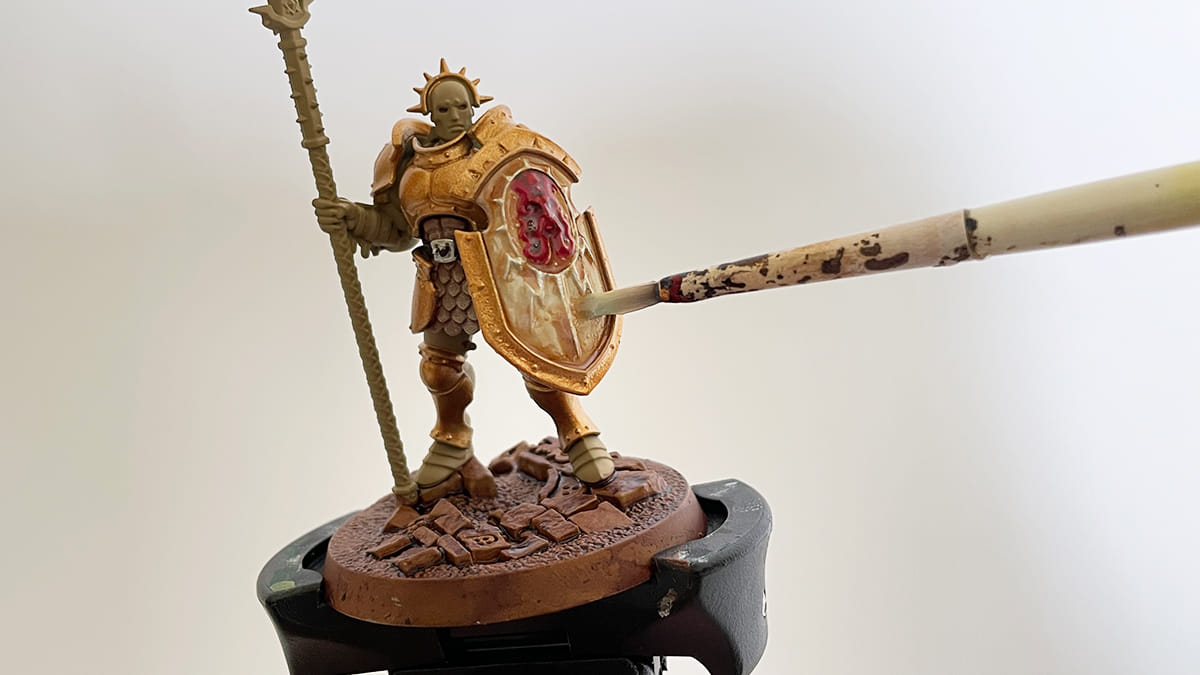
A Painting Handle is another useful tool for painting. It makes working with smaller models easier, and you don't have to worry about smudging them while painting. If you need a larger version, there is also the Citadel Painting Handle XL.
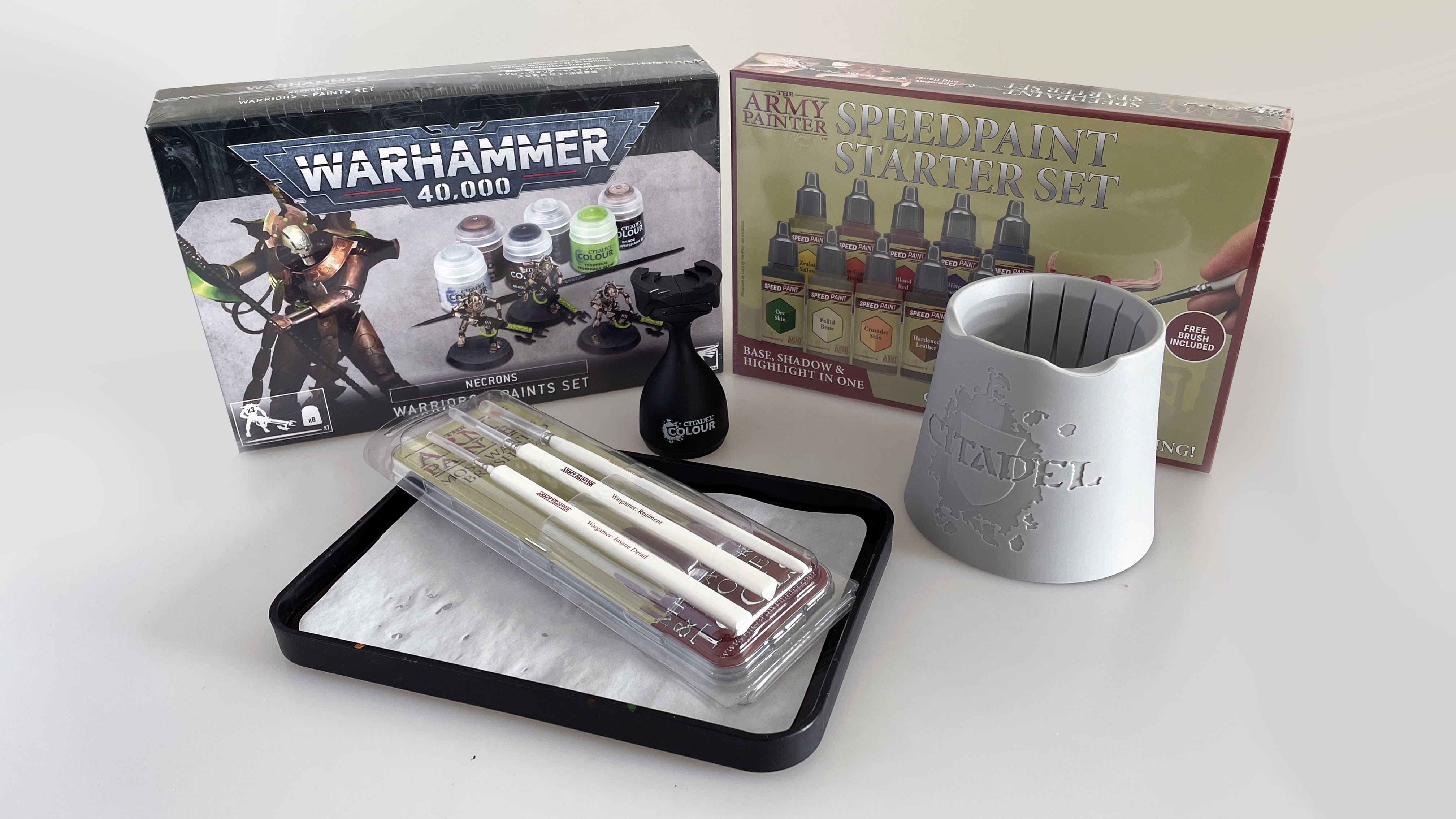
Paint sets, handle, water cup, brush set, and wet palette.
You can put the hobby drill and other tools out of your mind for now. Let's look at the most interesting part – the painting itself. Although metal and plastic models have their specifics, the same techniques are used for both. Therefore, our advice will apply to both types of miniatures.
How to Apply a Base Coat?
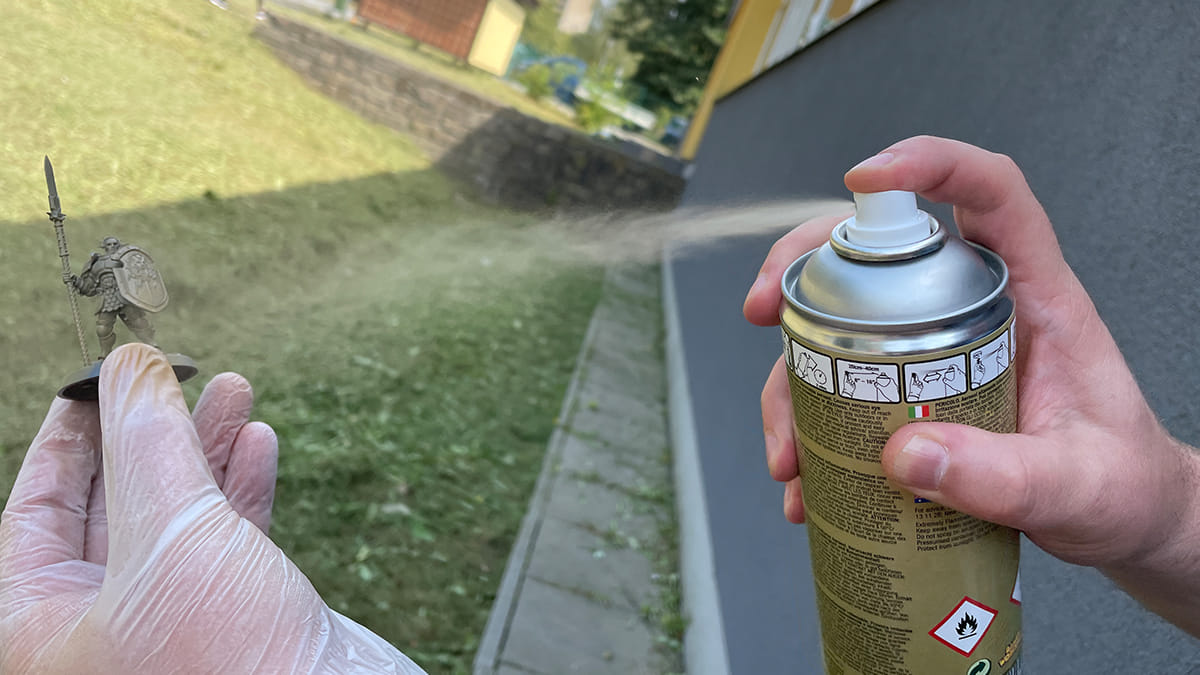
How to start painting? Painting models begins with applying a base coat – it helps all other colors to "stick" better. The easiest way is to apply it with a spray. The color of the base coat subsequently slightly influences all colors applied later. On a black base, all colors will be darker; on a white one, they will be more vibrant. If you don't want to use a spray, you can create a base coat using a brush and primer.
How to Use Base Paints?
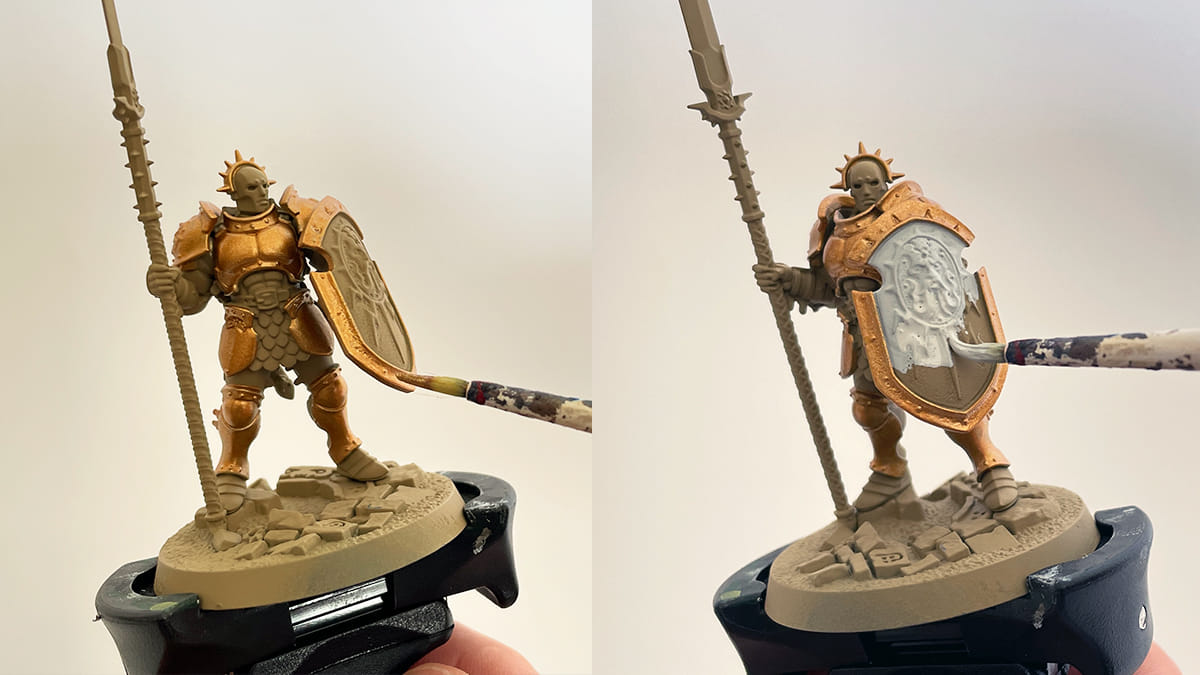
Once you have the base coat done, you can dive into the larger areas that are still part of the figure's base. It's not ideal to apply paints directly from the bottle; first, thin them on the palette with a little water. Applying multiple thinner layers instead of one "thick" layer helps preserve the fine features and details of the miniature. For this work, Citadel Base or Army Painter Warpaints are best suited. There are several acrylic paint manufacturers on the market. Don't be afraid to experiment and mix shades.
How to Start Shading Miniatures?
Once you have the base colors done, you can start applying Wash type paints. These are much thinner paints that are easily spread over the surface with a brush, with more paint settling into the nooks and crannies. With this simple and fast technique, you easily achieve a shading effect that adds depth to your painted miniatures. We usually choose dark colors that simulate shadows.
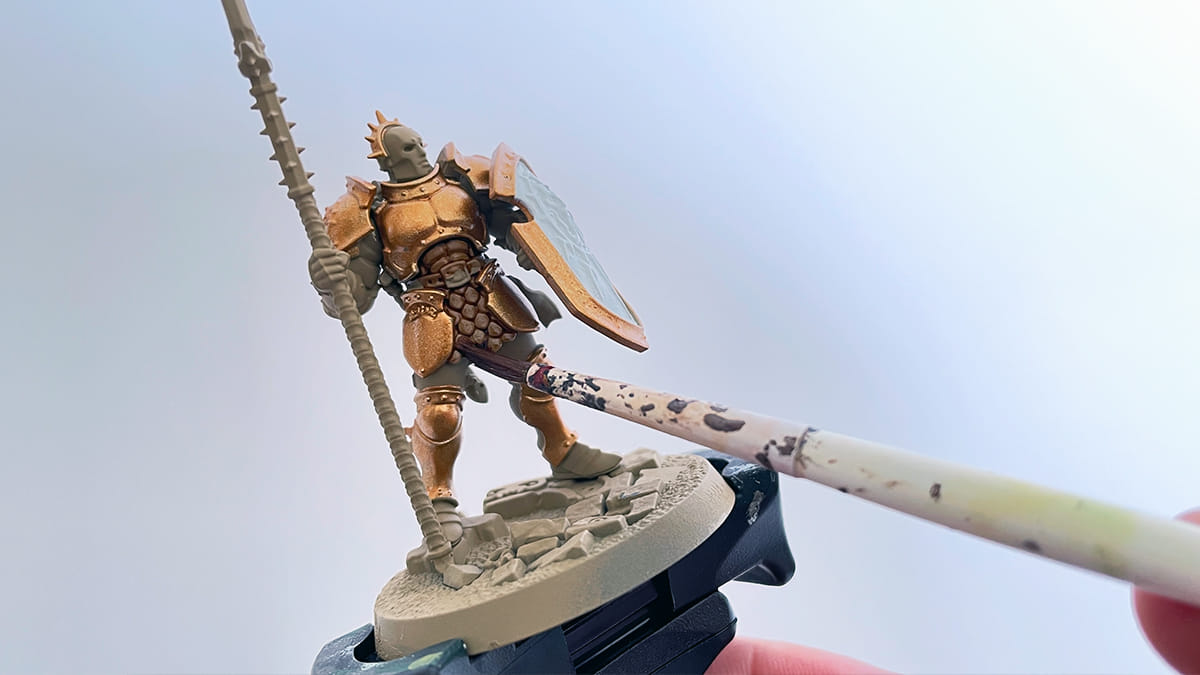
A separate chapter is Contrast or Speedpaint type paints. These combine a base color and a wash. With one coat, you get a very decent base including shading. Then you just need to add details to the miniature – and you're done.
What is Drybrushing and How to Start?
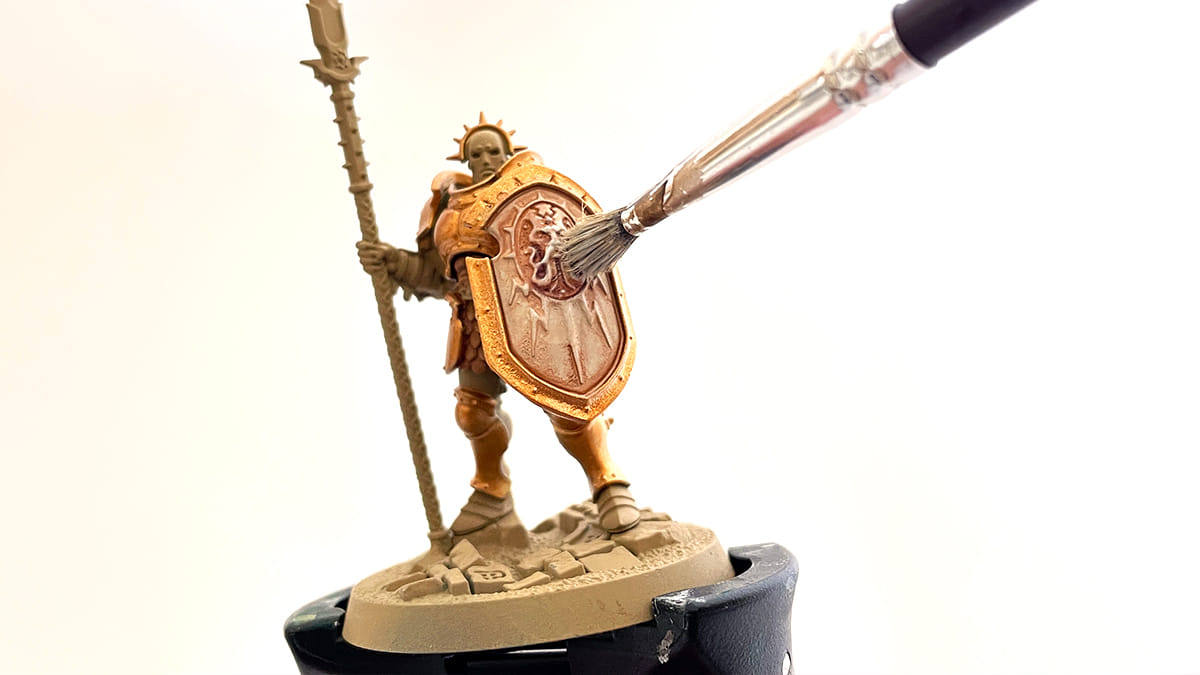
The opposite of shading with Wash paints is the drybrush technique. What does it consist of? You apply Dry paint (or another color) to a brush with stiff bristles, wipe it partially onto a cloth or tissue, and then gently "tickle" the miniature to apply a thin layer to the raised parts. For drybrushing, light or bright colors are often used to help emphasize the contrast between parts of the model. For comfortable application, you can reach for Citadel Dry M or the smaller Dry S.
How to Paint Details?
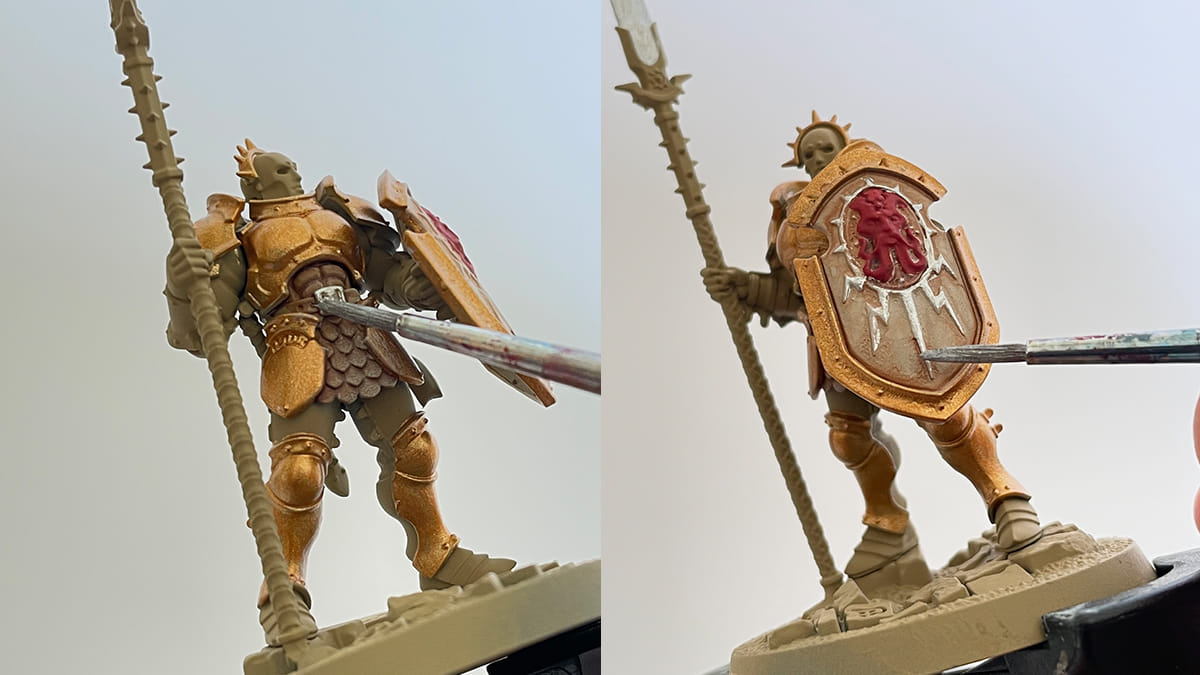
You have the base done, the shadows too – now come the details. For Citadel paints, those marked as Layer are used. A thinner brush is best for details. While painting, lean on the table and stabilize your hands so the brush doesn't shake. It helps a lot to hold the miniature in a handle, which you can make yourself or buy – it allows you to rotate and tilt the miniature.
Did you go over the lines? No problem. Just take the original color and fix it with a thin layer. More layers mean greater precision – and even a mistake can be easily masked.
Do Bases Need to be Painted?
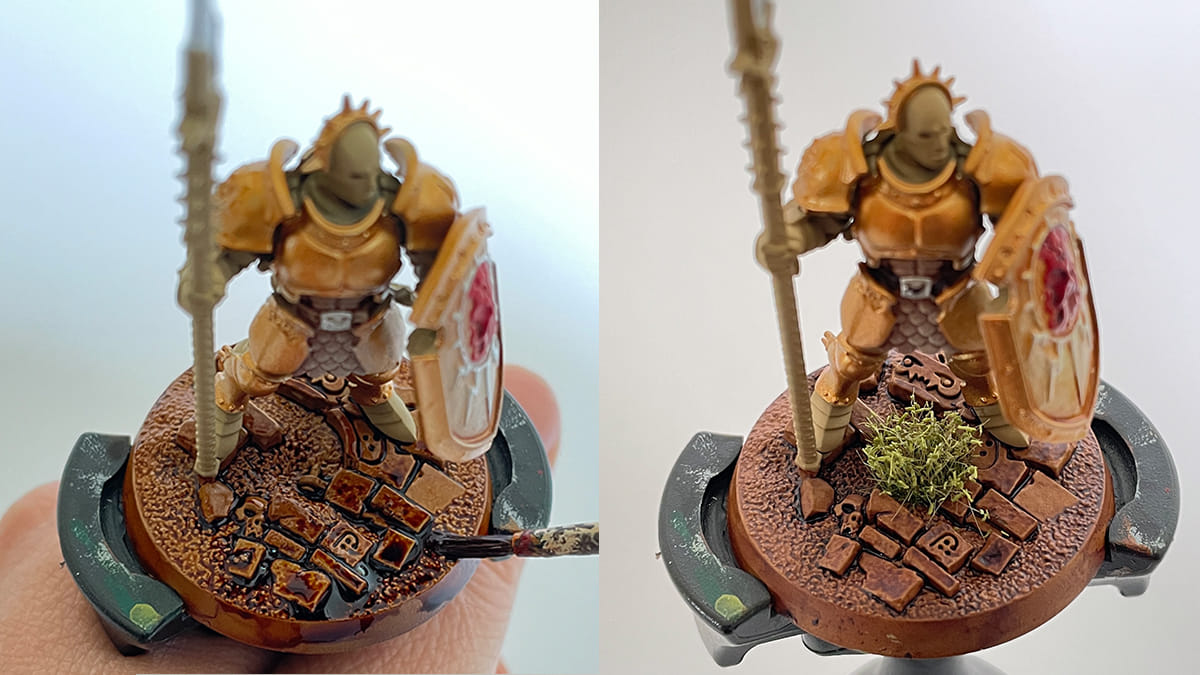
Once you have a great miniature finished, it's a shame to put it on bare plastic. And yet it's surprisingly simple. Grass tufts work great – green, brown, dried, burnt. You can add gravel, sand, snow, or bark. For effective rocks, modeler's cork is suitable. There are many possibilities, and there are no limits to your imagination. You'll find a wide selection in the Bases, dioramas, terrain category – or directly bases for miniatures.
Do I Need to Varnish Miniatures?
If the miniature will only be in a display case, varnish is not necessary. But if you plan to play with it, definitely varnish it – otherwise, it will start to wear off. You can use varnish in a spray or bottle for a brush. There are matte, glossy, and satin variants (e.g., Army Painter Anti-Shine Matt Varnish or brush-on varnishes Vallejo Matt and Satin).
What Do You Need to Start?
To start, you only need two brushes – one larger for areas and one smaller for details. You can also get a hobby set, which we already mentioned. You choose paints based on how you want your miniature or entire army to look. Experienced veterans often recommend choosing at least three base colors so the miniatures aren't completely monochromatic.
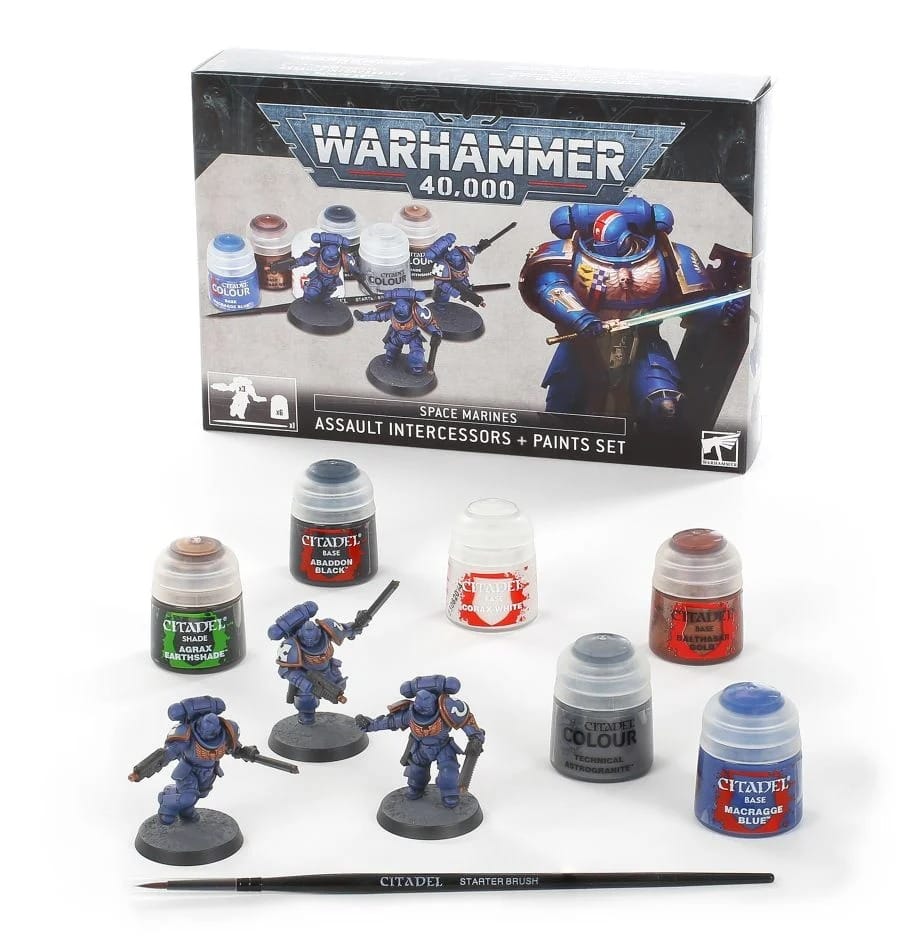
Basic paint set with a brush and miniatures.
It's ideal to reach for a starter paint set – you'll find maybe ten shades, a brush, and a shading paint in it. Add one wash paint for shading, and the result will pleasantly surprise you. Just be careful – if the miniatures come unassembled, you'll first need to cut them out of the frame and glue them. In that case, you'll also find basic modeling tools useful – clippers and a file. There is also an advantageous tool set that will equip you completely for the start.
Want more tips? Check out our How to Start Painting Miniatures video series – we'll show you what to get, painting techniques, and what will make your work easier and improve your results:
authors Michal Dlouhý and Karel Krajča

Michal Dlouhý
Český autor fantasy série Kroniky magie, kterého spousta lidí spíše než civilním jménem zná pod přezdívkou Regis.


You might also like

Armageddon calls: Everything you need to know about the 11th edition of Warhammer
Warhammer 40k 11th edition is here! Codexes from the 10th remain, but the rules are changing. Find out what changes shooting received and what awaits you on the battlefield. full article...
8. 6. 2026 Karel Krajča 7 min
StarCraft: The Miniatures Game – The RTS legend comes to life on your tabletop
Legendary StarCraft as a wargame! Command the Zerg, Terrans, or Protoss in an epic battle on your table. full article...
13. 3. 2026 Karel Krajča 5 min
Skirmish games: The perfect start to the world of wargaming
Skirmish games are the ideal entry into wargaming: small teams, personal stories, and tactical combat on smaller tables. Kill Team, WarCry, Battletech, and more. full article...
Non-fiction journalism 22. 12. 2025 Karel Krajča 4 min