


One Piece TCG: A Guide to the Card Game from the World of Pirates
The One Piece TCG phenomenon has stormed the world of collectible card games. Read about the magic of the game system, how it compares to the competition, and who this pirate adventure is for.
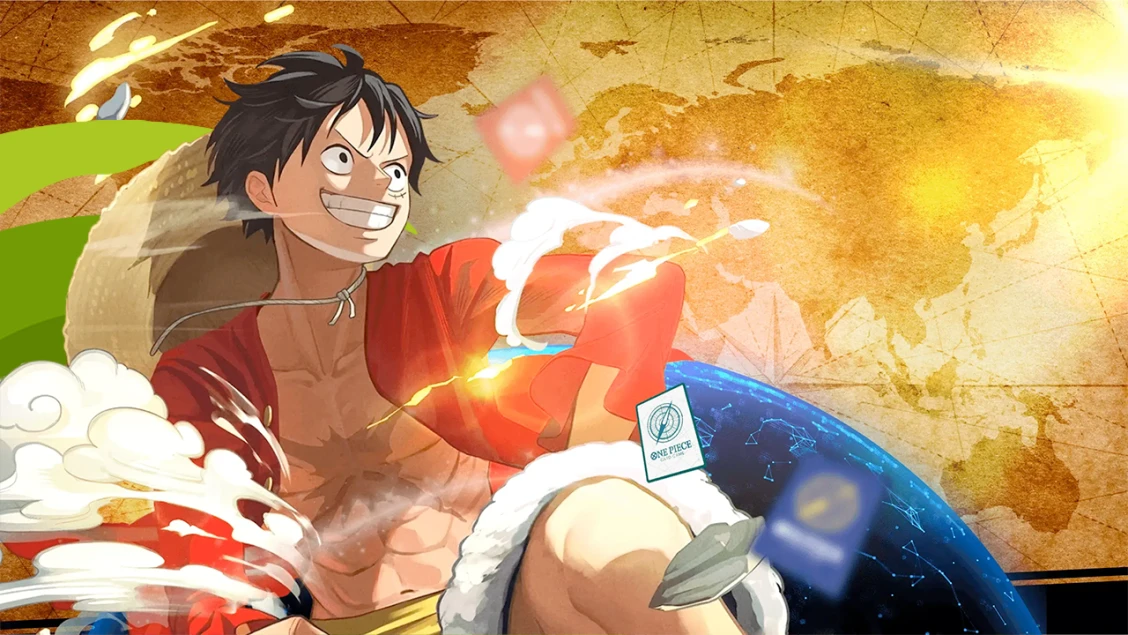
The story of pirate Monkey D. Luffy and his crew has been entertaining fans worldwide since 1997. Author Eiichiro Oda created a phenomenon that has surpassed 100 manga volumes in nearly three decades and earned a spot in the Guinness World Records as the best-selling comic book series by a single author, with over half a billion copies sold.
The animated adaptation by Toei Animation is just as monstrously successful, kicking off its incredible journey in 1999 and now spanning over 1,000 episodes and a dozen feature films.
The One Piece brand has gradually grown into a massive pop-culture ecosystem. Beyond dozens of video games across all platforms, it has recently captured attention with the massive success of the live-action Netflix series, which shattered all known viewership records and proved that a live-action anime adaptation can work brilliantly.
It is this iconic world that the Japanese publisher Shueisha, in collaboration with the giant Bandai, used as the foundation for a collectible card game that sparked a massive wave of interest immediately upon release.
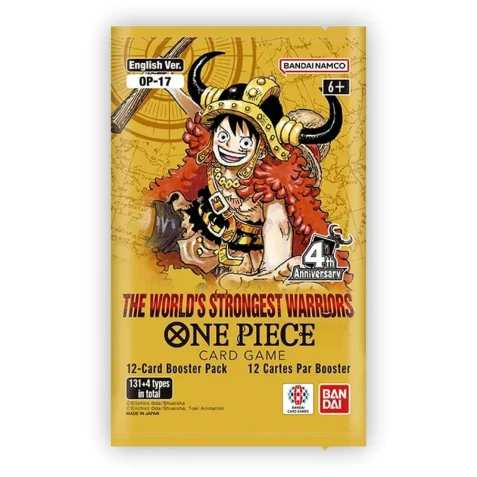
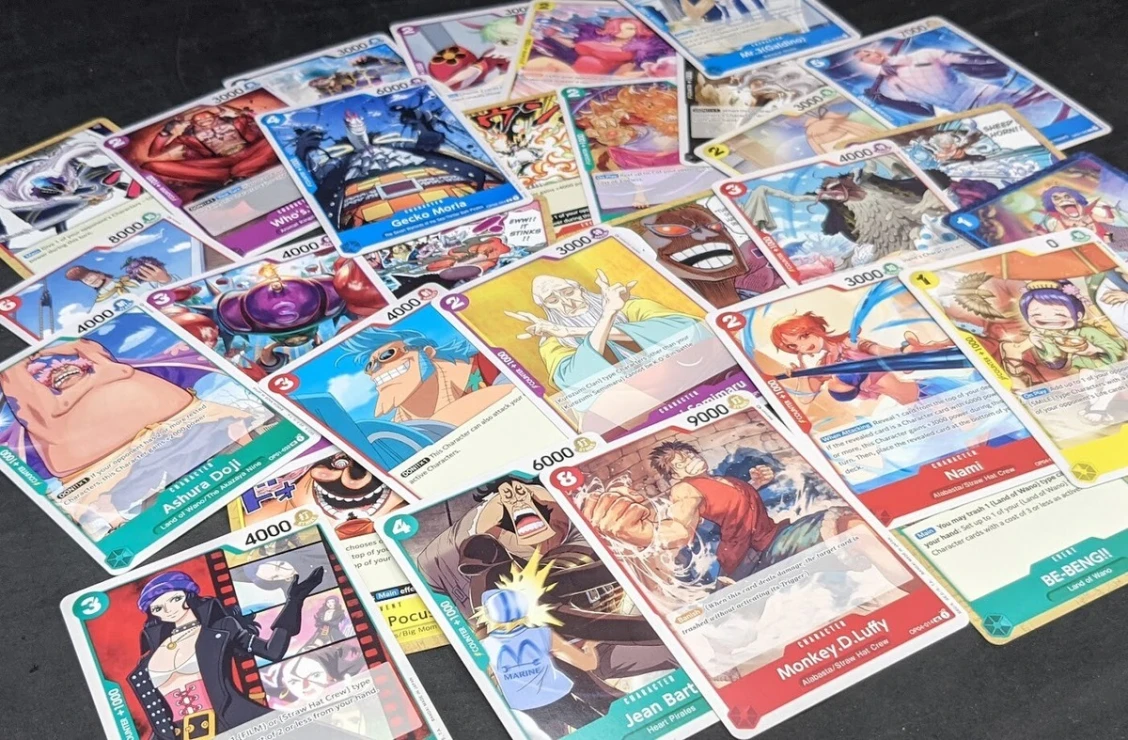
And it is no wonder. The game isn't just a hastily purchased license; it is solid design work where game effects are closely tied to the story and character traits. Katakuri peeks at hidden cards thanks to his future-sight, Big Mom always manages to delight with a ruthless dilemma, and Shanks' cards can literally overpower opponent units with sheer willpower. Plus, the visuals combine iconic illustrations from the manga and anime, so there is definitely no shortage of collectible value.
A Phenomenon Conquering Gaming Tables
While many other licensed card games quickly fizzle out, One Piece CG – Card Game has rapidly become one of the most popular games today. Tournaments are filling up with both newcomers and veterans of other card games, starter decks sell out instantly, and there is huge interest in the game within the community.
How It Compares to Magic and Pokémon
If you know classics like Magic: The Gathering or Pokémon TCG, certain things will feel familiar, but the system runs much more smoothly.
- Forget about Magic's mana-screw: In Magic, you often lose just because you didn't draw land cards. In One Piece, alongside your deck, you have a separate ten-card deck with special energy—so-called DON!! cards. You automatically get an extra allotment every turn, so resource progression is completely predictable, and no one will knock you out of the game due to bad luck with energy.
- Forget about passive waiting from Pokémon: While in Pokémon you often just charge energy on the bench and wait for a big attack, here you fight from the very first turns. DON!! cards aren't just for paying for characters. You can attach them to your fighters to temporarily boost their attack, which opens up huge room for tactics and immediate aggression.
- A Captain at the Helm: Your 50-card deck is led by a Leader card. They are permanently on the table, determine your crew's colors, and have their own attack value and life count. By building a deck around a single character, the game feels a bit like the popular Commander format in Magic.
The goal is simple: attack the opponent's Leader. Once they take a hit, they move a card from their life pile directly to their hand (which gives them extra cards but brings them closer to defeat). When they have no life left, you land the final blow and win.
How It All Flows: Overall Dynamics and Match Flow
Forget about tedious memorization of detailed steps—the magic of One Piece TCG lies in the incredibly organic rhythm of the match. The entire game is designed to eliminate any dead phases.
At the start of your turn, you get your new DON!! cards, and the game immediately throws you into the action. The active player has absolute freedom in the order of their actions. You can play a new character first, then use some energy to boost your Captain, attack, pay for a trick event card with the remaining energy, and only then decide to attack with another unit. Everything flows seamlessly.
However, the defending player isn't sitting at the table with their arms crossed either. The moment you face an attack, the game becomes an interactive affair. You can sacrifice cards from your hand as temporary shields (Counters), send your defenders (Blockers) into the line of fire, or simply accept the attack and hope that the hit life card grants you an immediate bonus effect. Thanks to this, the game maintains a high tempo and constant tension on both sides of the table.
Colors of the Grand Line: Choose Your Playstyle
Deck building depends on your Captain's color. There are six basic colors, and each fits a different pirate philosophy:
- Red (Aggression and Rush): Fast, offensive decks (often Straw Hats or Whitebeard) that want to apply pressure from the start and can attack in the same turn they enter the table.
- Green (Control and Reactivation): A technical style focused on card manipulation—they can "tap" opponent units or, conversely, reactivate yours for further attacks.
- Blue (Bouncing and Card Draw): Focuses on board control by sending opponent characters back to the hand or to the bottom of the deck.
- Purple (Ramp and DON!! Manipulation): Gains massive power and strong characters earlier than others, but often at the cost of sacrificing or returning their own DON!! cards to the deck.
- Black (Destruction and Debuffing): A strategy focused on lowering the cost and power of opponent characters and subsequently destroying them.
- Yellow (Life Manipulation): Mechanically the most interesting color, capable of manipulating cards in the life pile, adding new ones, or triggering powerful Trigger effects.
Fascinating Puzzles in the Late Game
The best part of One Piece TCG comes at the end of the match. When both players have established positions on the table and have only a few lives left, the game turns into a perfect mathematical puzzle.
You must calculate exactly how many DON!! cards to distribute among your attackers to break through the opponent's Counters in hand, and how many to keep in reserve for your own defense. A single miscalculation can cost you the entire match.
Wallet-Friendly Price
A big plus for beginner players is financial accessibility. A large part of the value of booster boxes is hidden in Alternate Art and rare collectible versions of cards. This means that the basic game versions of common cards are very cheap, and you can build a competitive deck for significantly less money than in other well-known TCGs.
Is It Worth Weighing Anchor?
One Piece TCG isn't just another ordinary game slapped onto a famous brand. It is a thoughtful, fluid, and strategically deep card game that also perfectly captures the spirit of its source material. If you are looking for a card game without frustrating energy-related randomness, or if you simply love Luffy's world, this is the perfect opportunity to set sail for the Grand Line.
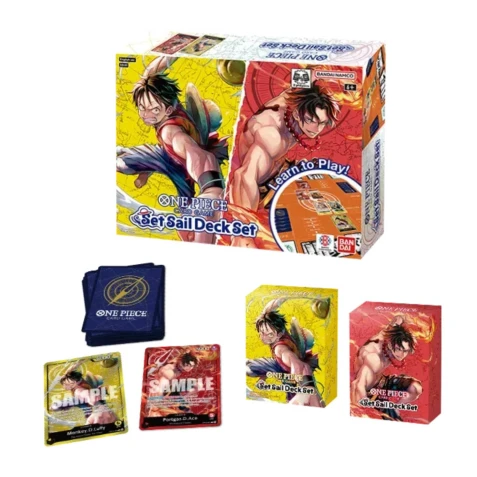
Just grab one of the Starter Decks—pre-built decks where you'll find everything from the Captain to the deck and DON!! cards—and you can head straight into battle.

Karel Krajča
editor-in-chief
Author profile and more articles
Editor-in-chief, content creator, and organizer of the Fantastická Ostrava festival. A fan of fantasy, video games, board games, and pop culture in general.
You might also like
The Mountain from Game of Thrones joins Legacy of Valor
Hafthór Björnsson, The Mountain from Game of Thrones, is acting in the Czech RPG Legacy of Valor. Find out what the game is, what the studio will show at PGA 2026, and where to buy merch. full article...
16. 10. 2026 Redakce 4 min
Warhammer 40k tournament at imago: a battle report where Chaos reigned supreme
Warhammer 40k tournament for beginners: 20 armies, a twist on the first table, and a triumph for Chaos Space Marines. Check out the report and full results. full article...
30. 9. 2026 Dominik Brož 6 min
BlizzCon 2026: Diablo V, StarCraft shooter, and more news
Blizzard revealed their plans at BlizzCon 2026. Read the details about the surprising Diablo V, the new StarCraft shooter, and a special version of World of Warcraft. full article...
14. 9. 2026 Karel Krajča 5 min