


StarCraft: The Miniatures Game – First impressions of the long-awaited wargame
Read our first impressions of the new StarCraft wargame. Why isn't it just a Warhammer clone, and how will it win over both PC game veterans and beginners?
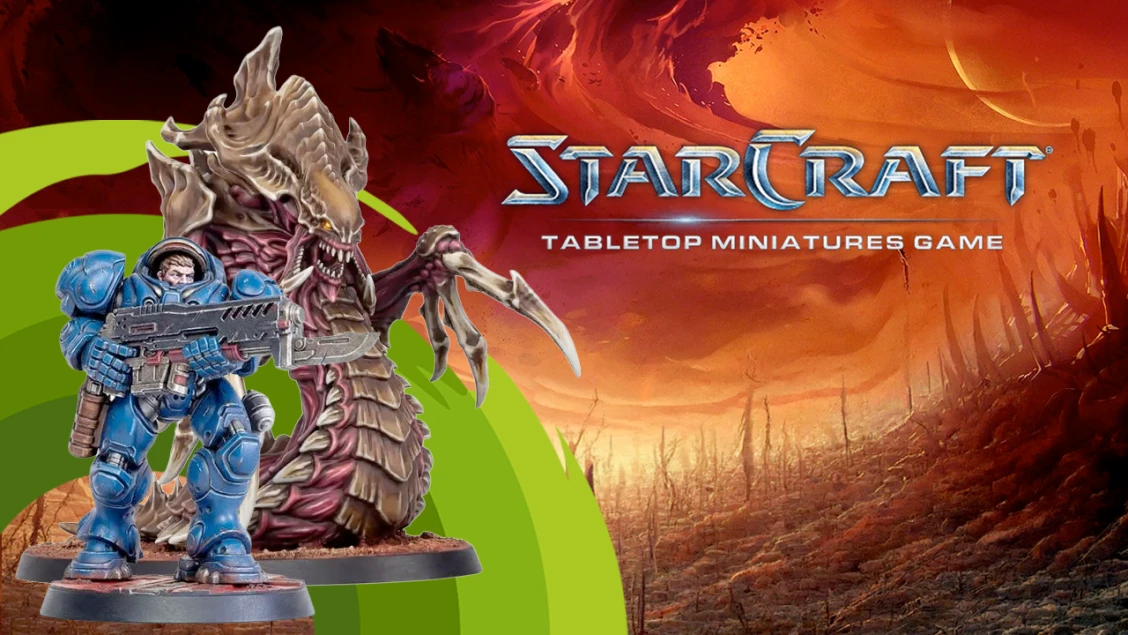
After numerous release delays, the first TTWG (Tabletop Wargame) from the legendary StarCraft universe has finally arrived. In StarCraft: The Miniatures Game, players take command of one of three iconic factions. Whether you choose to fight for the Terrans (descendants of human colony ships), the endless Zerg Swarm, or the mysterious and honorable Protoss, you can expect battles that feel true to their digital roots. That means fast, brutal combat—often with unexpected outcomes influenced by luck (after all, it is still a game, and dice are unpredictable). At first glance, it might look like just another clone of the legendary Warhammer, but a closer look reveals that Archon Studio has taken a different path.
A unique resource and deployment system
The first major difference from the competition is how you build your army. Unlike other wargames, you don't just use a single point system; you manage three: Minerals, Vespene Gas, and Supply. Each resource serves a distinct purpose.
To break it down: you first spend Vespene Gas to purchase base buildings. These not only unlock army slots for your units but also provide Action Points and special abilities you can use directly on the battlefield. Then, you use Minerals to buy your army, while keeping an eye on your Supply. This determines the cost of deploying units to the field and their strength when capturing strategic locations.
Yes, you read that right. Just because you have a unit in your army list doesn't mean it will make it onto the board. Games are generally fast, and scenarios are designed so that you won't always field your entire roster in larger games. As a player, you'll have to decide whether to send a unit of Marauders against a horde of Zerglings or deploy a squad of Marines specifically tailored to counter that threat.


Dynamic gameplay and faithfulness to the source material
The game mechanics themselves are quite unique. Alternating activations keep the game dynamic. Splitting the game into phases and deciding whether to seize the initiative for the next phase or move your unit instead is standard practice. Using action points and triggering abilities can frequently change plans for both you and your opponent.
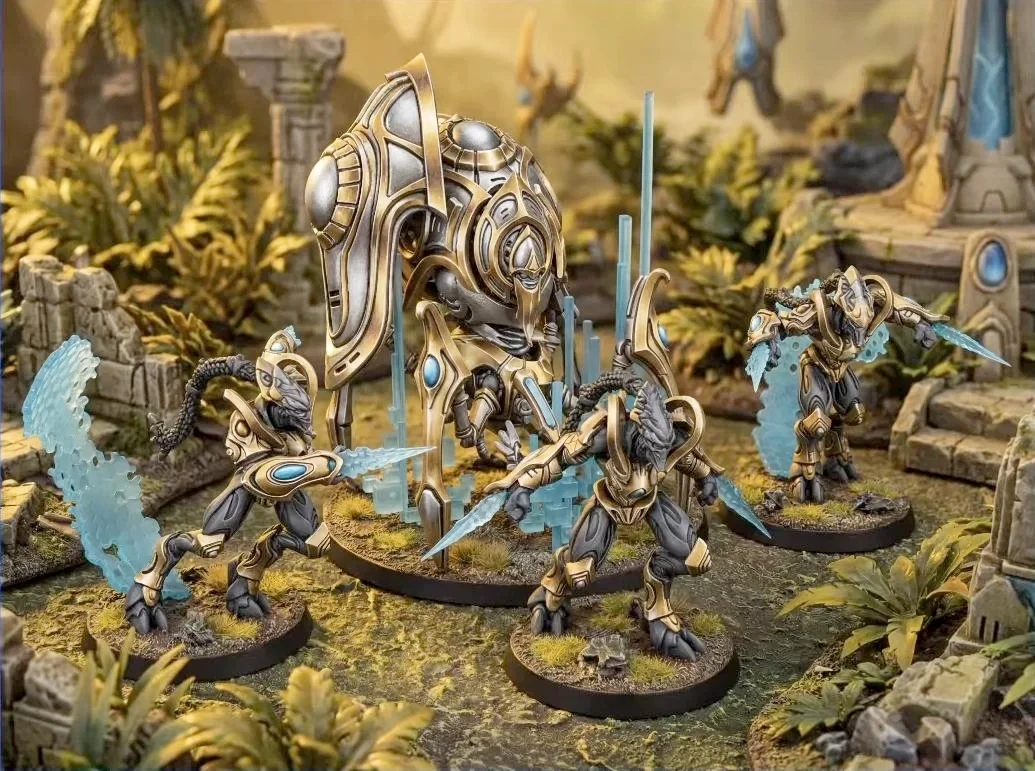
Fans of the PC game will find their iconic units here, and their roles remain unchanged. To some extent, a rock-paper-scissors system is at play. But don't be fooled—a squad of Marines can shred a swarm of Zerglings just as easily as a Stalker… they just have better odds against certain targets.
Beginner-friendly models and a rich Starter Box
Archon continues to prove that they know how to create models, keeping complete wargaming beginners in mind. By using multi-colored plastic, they’ve achieved a visual distinction between factions, so the table isn't just a sea of grey plastic, and they’ve made it possible for newcomers to play with unpainted models. The assembly process is well-explained in the manuals, and with a little attention, you shouldn't run into any trouble.
The starter box content is designed so you don't need to buy anything else to get started. Simply assemble the models, unpack the building and unit cards, and you're ready to play.


Huge interest and ambitious future plans
The game is currently at the beginning of its journey, but it already shows great potential. Archon Studio makes no secret of the fact that this is a passion project for CEO Jarek Ewertowski, a lifelong StarCraft fan who is personally involved in the game design and has big plans for the title. The high demand, which was incidentally the reason for the release delays, confirms this. Interest was so high that it far exceeded the studio's production capacity.
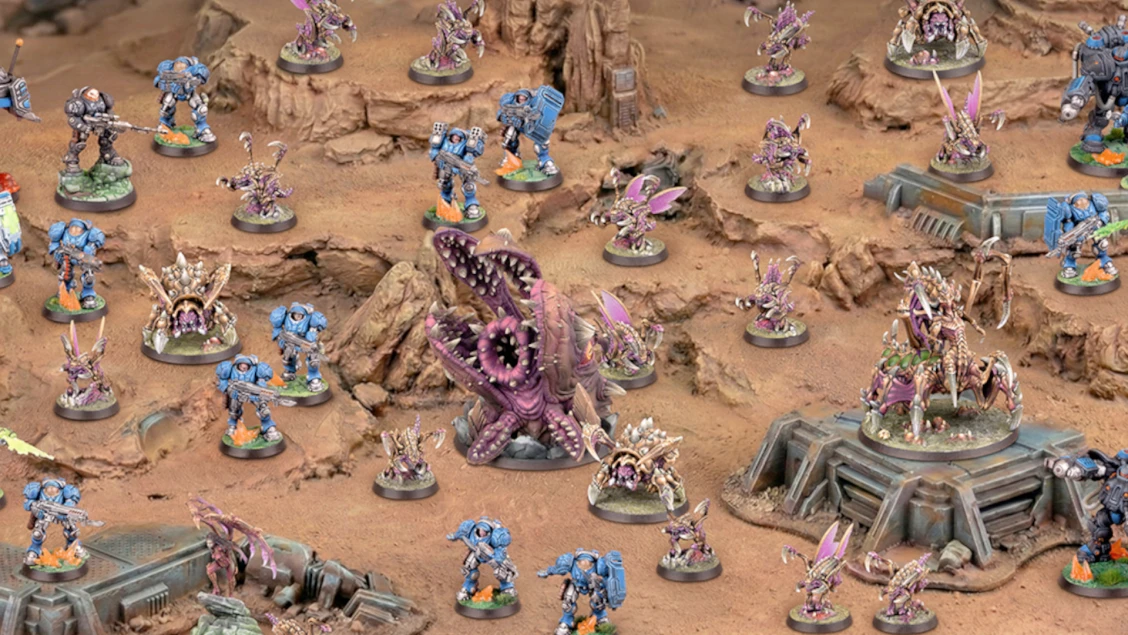
Archon Studio plans to develop the game for many years, and thanks to an extensive license from Blizzard Entertainment, they have content prepared for the next nine years. In the near term, they intend to release new waves of models roughly every two months throughout 2026, featuring psionic warriors, unique heroes, flying units, and units inspired by the Brood War expansion. Beyond the miniatures themselves, a major draw is the official narrative campaign by designer Sam Pearson and the launch of organized play to support local tournament communities.
In the future, the developers want to draw from the entire universe, including books, and introduce specific factions like the United Earth Directorate or popular commanders from the StarCraft 2 co-op mode—such as Tychus Findlay or Stetmann’s Mecha-Swarm. A major milestone for a wider audience will be 2027. In addition to the complex wargame, Archon Studio plans to release a standalone, more accessible classic board game set in the StarCraft world, which will appeal to those who don't want to glue and paint models themselves.
Final verdict
Personally, I think StarCraft: The Miniatures Game is a successful endeavor that could bring even hesitant players into the world of wargaming. It is not a direct competitor to Warhammer, nor is it trying to be. I believe it will find its fans, and the development will continue with the current pace and enthusiasm.

Martin Kubačák
Dlouholetý fanoušek, sběratel a hráč fantasy a wargamingu obecně. Příležitostný dealer první dávky mé závislosti pro nepozorné zájemce
You might also like

StarCraft: The Miniatures Game – The RTS legend comes to life on your tabletop
Legendary StarCraft as a wargame! Command the Zerg, Terrans, or Protoss in an epic battle on your table. full article...
13. 3. 2026 Karel Krajča 5 min