


Basic Board Game Mechanics
Discover the differences between Eurogames and Ameritrash and get to know the most used game mechanics like worker placement, deck building, or area control.

Board games are a popular form of entertainment, offering a rich playground for strategic and creative thinking. You can divide them into various categories based on their mechanics, themes, and playstyle. The foundation of every board game is its game mechanics, which define how the game is played and what the rules are. Before we dive into individual mechanics, let's introduce the two most famous categories: Eurogames and Ameritrash. These two categories have completely different approaches to design and the overall gaming experience.
Eurogames
Eurogames are characterized by their emphasis on strategy, economics, and minimal luck. They originate mainly from Europe, particularly Germany, which is why they are sometimes called "German-style games".
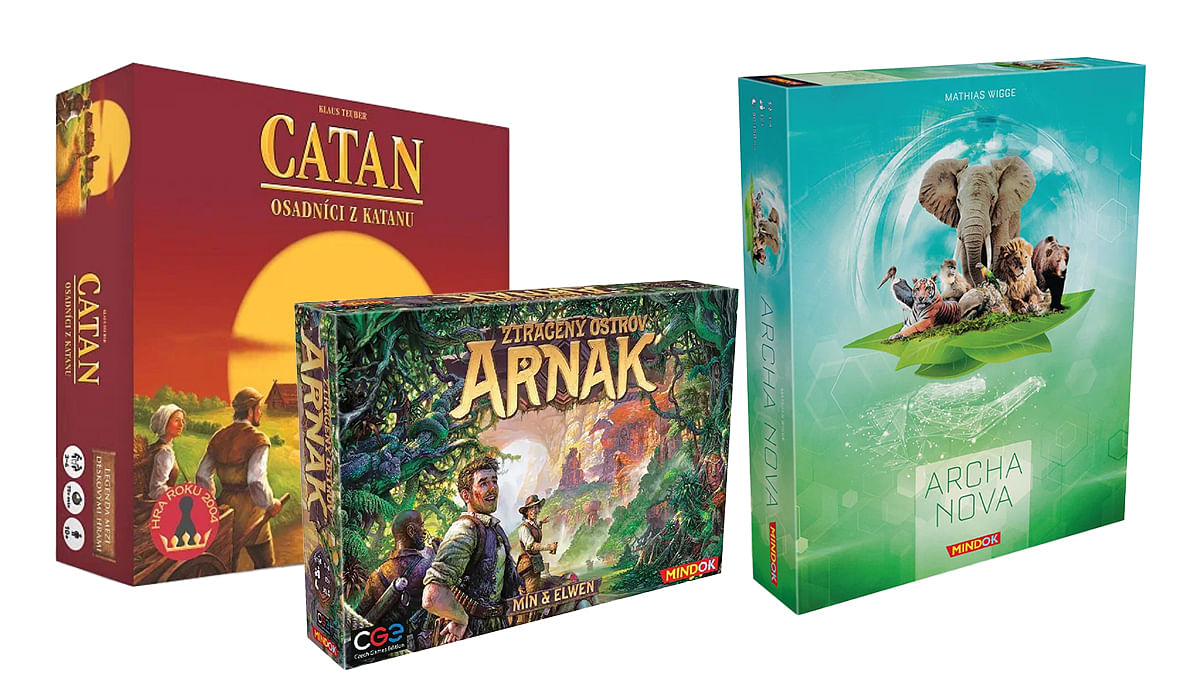
Key features of Eurogames:
- Emphasis on strategy: Games require thoughtful planning and strategic decision-making, usually over a longer time horizon.
- Low level of luck: Luck plays a small or zero role; most actions are based on player decisions.
- Economic and social mechanisms: They often include trading, building, and resource management. This means players spend a large part of the game gathering, counting resources, and deciding how to spend them.
- Abstract and non-violent themes: Themes are rarely the main point of the game; they serve more to set the atmosphere. The main focus is on building, development, and gameplay.
- Game time: Usually 1-2 hours.
- Player interaction: Players usually don't attack each other directly; they play in their own "sandbox" and aren't affected by others, only competing for resources and points.
- Components and aesthetics: Game materials are usually simple and very clear for the best possible gameplay; typical wooden tokens are often part of the game.
Eurogames are ideal for all players who like to engage their brain cells while playing and whose success depends directly on how well they plan their turns, rather than on luck. Eurogames are played for the maximum number of points, so it's typical to earn points for almost every step in the game.
Examples of Eurogames: Brass: Birmingham, Catan, Carcassonne, Ticket to Ride, Lost Ruins of Arnak, Ark Nova
Ameritrash
Ameritrash games are typical for their emphasis on theme, story, and a certain degree of luck. They originate mainly from the USA and are often focused on adventure, conflict, and epic stories.
Key features of Ameritrash games:
- Strong theme: Games have a very strong story and atmosphere, often inspired by sci-fi, fantasy, or horror.
- High level of luck: Luck plays a big role, whether in the form of dice rolls or drawing random cards.
- Conflict and combat: Games often involve direct clashes. Conflict and player interaction are very strong and often dominant elements.
- Components and aesthetics: Games are rich in plastic components – including miniatures, beautifully illustrated cards, and detailed game boards. All of this perfectly supports the atmosphere of the game.
- Game length: Games can be longer and last several hours.
- Gaming experience: Players immerse themselves in the game world and experience epic adventures and stories. It often happens that players keep thinking about the game for days after finishing it.
Ameritrash is sought after by everyone who wants to have a unique experience while playing a board game with friends. Atmosphere and a strong theme are the main domain of this type of game. Interaction is very significant and often includes sabotaging other players.
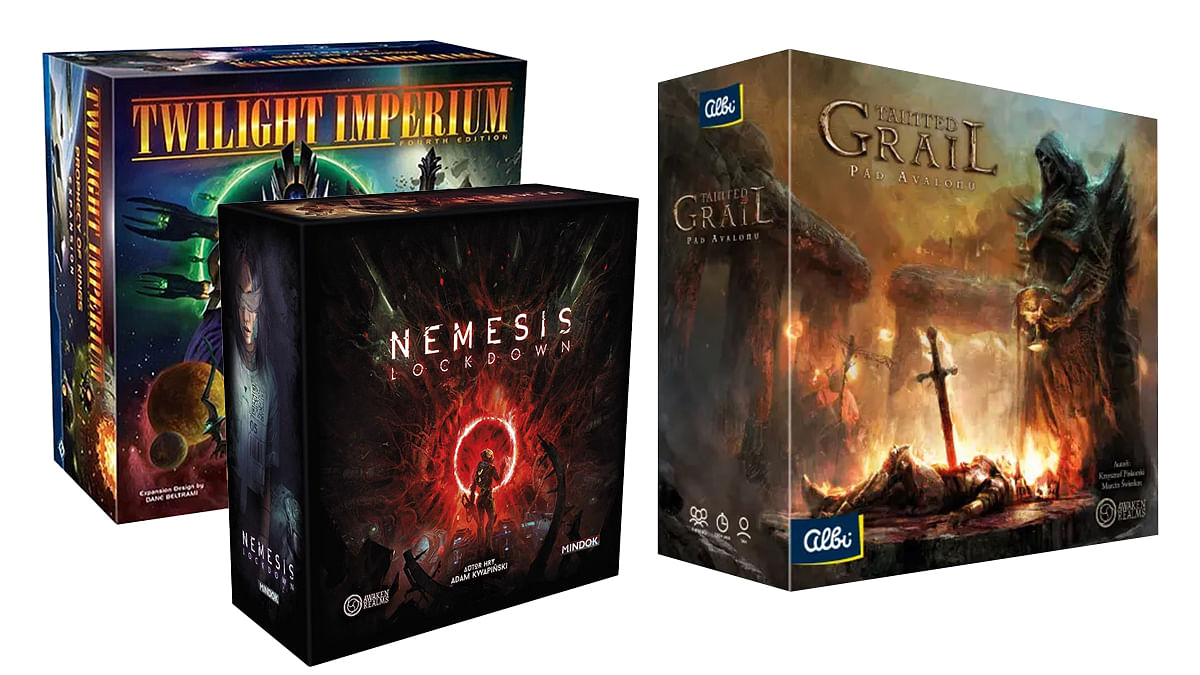
Examples of Ameritrash games: Arkham Horror, Twilight Imperium, Nemesis, Tainted Grail, Gloomhaven
These two types of games often divide players into two camps, as they are completely different styles.
Now let's look at game mechanics that are used in both Eurogames and Ameritrash, as well as elsewhere. There is an immense number of game mechanics, and going through each one would fill a thick book. In the following lines, we will therefore focus on the most basic and frequently used ones. It is necessary to say that the vast majority of games do not contain just one mechanic, but several that are interconnected.
Worker Placement
WP is a popular game mechanic in board games where players place their workers on various spots on the game board to perform specific actions and gain resources. This mechanic emphasizes strategic planning because players have a limited number of "workers" and often have to decide between competing actions and locations. How does it usually work? Once one player occupies a certain spot, other players can no longer use it, which creates competition and tension. Actions performed by workers include gathering and managing resources, which are key to further progress in the game.
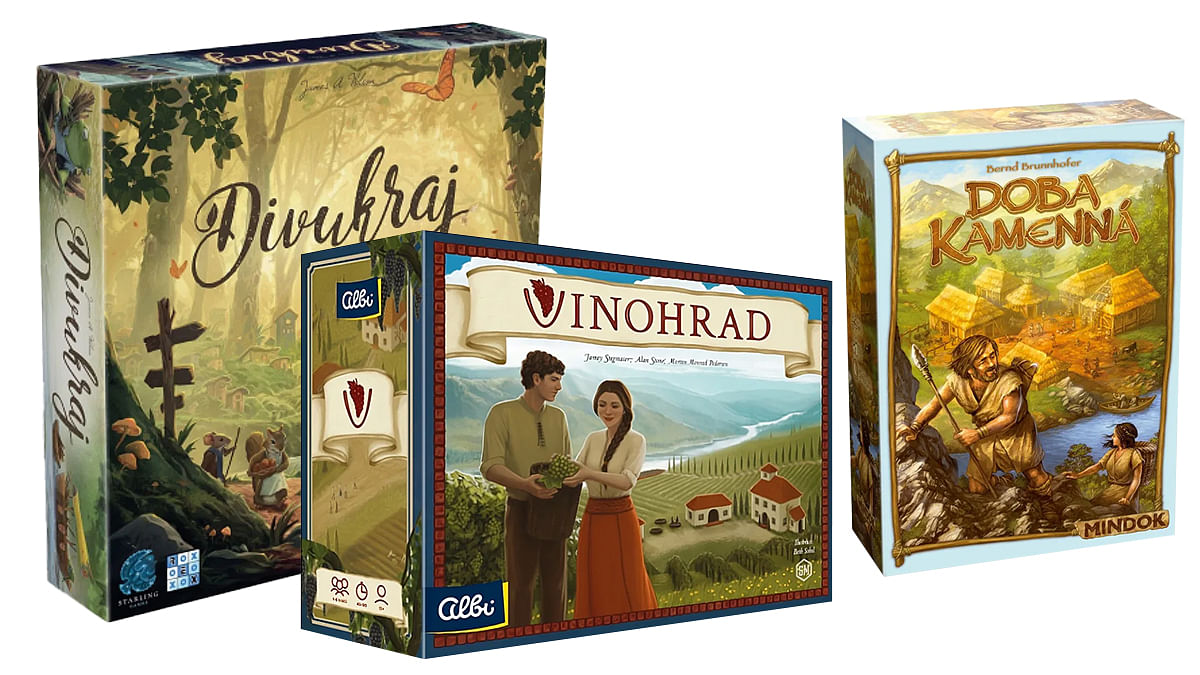
This style of game is popular for its ability to combine resource management, strategic decision-making, and long-term planning, which brings players satisfaction from well-thought-out moves and victories.
Examples of Worker Placement games: Lost Ruins of Arnak, Stone Age, Viticulture, Caverna, Everdell
Deck Building
Deck Building is a game mechanic where players build their own deck of cards during the game. At the start of the game, each player has a basic deck with simple cards, which they gradually improve by adding new cards. Players must carefully choose which cards to add to their deck to maximize the effect and utilize synergy between cards. Each round, the player's deck changes and evolves, creating ever-new strategic possibilities. Players can influence other players' games through various card effects, such as stealing cards, blocking actions, or reducing resources.

Examples of Deck Building games: Dominion, Arkham Horror LCG, Dune: Imperium,Imperium: Classics
Area Control
With this mechanic, players compete for control over various areas on the game board. Victory in these games often depends on who has the most influence or presence in key regions, which brings players points or other advantages. Players must strategically plan and compete with other players. Area control involves a high degree of player interaction, as the fight for control is a key element of the game. They must also carefully deploy their units or influence to gain and maintain control over important areas.
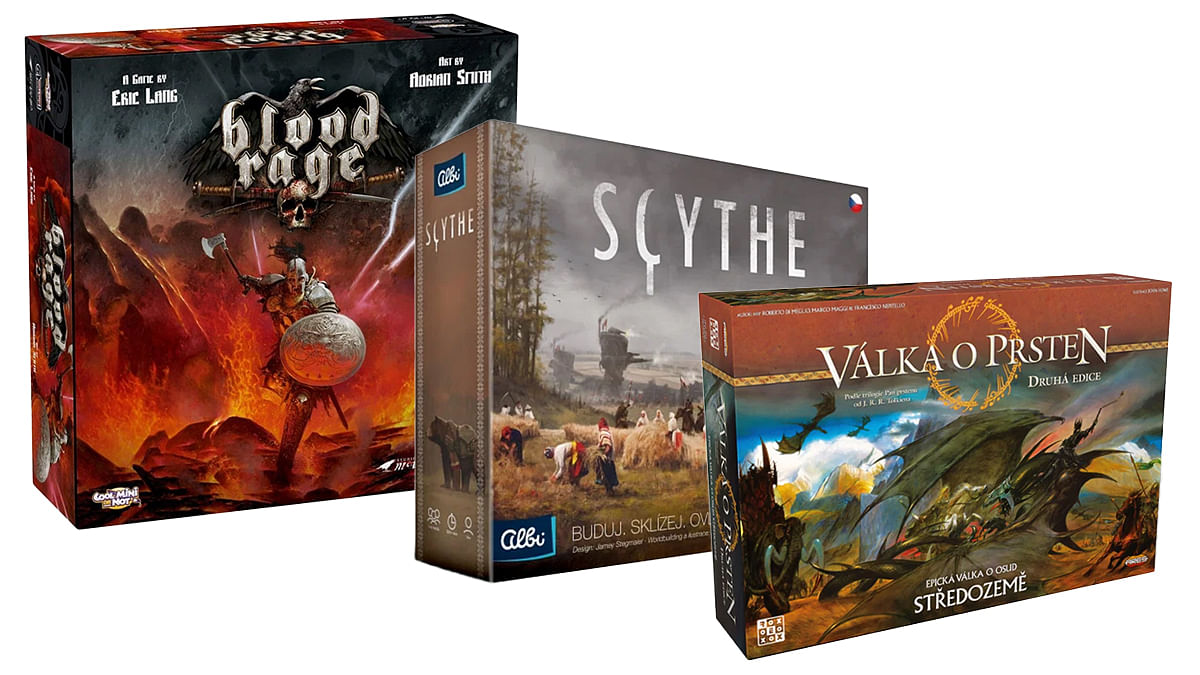
This style of game is popular for its player interaction, the need for strategic planning, and the tension resulting from constant competition for territory control, and last but not least, the big battles you will be a part of. The Area control mechanic brings dynamic and often unpredictable games that require smart decision-making and tactical thinking.
Examples of Area Control games: Risk, Blood Rage, Twilight Imperium, Scythe, War of the Ring
Roll and Write
This style is very specific and has been enjoying increasing popularity in recent years. It is known for its simplicity, speed, and portability. The basic principle is easy: players roll dice to determine available actions or resources. They write the results of the rolls on their player board or special record sheets, which may include marking fields, writing numbers, or drawing symbols.
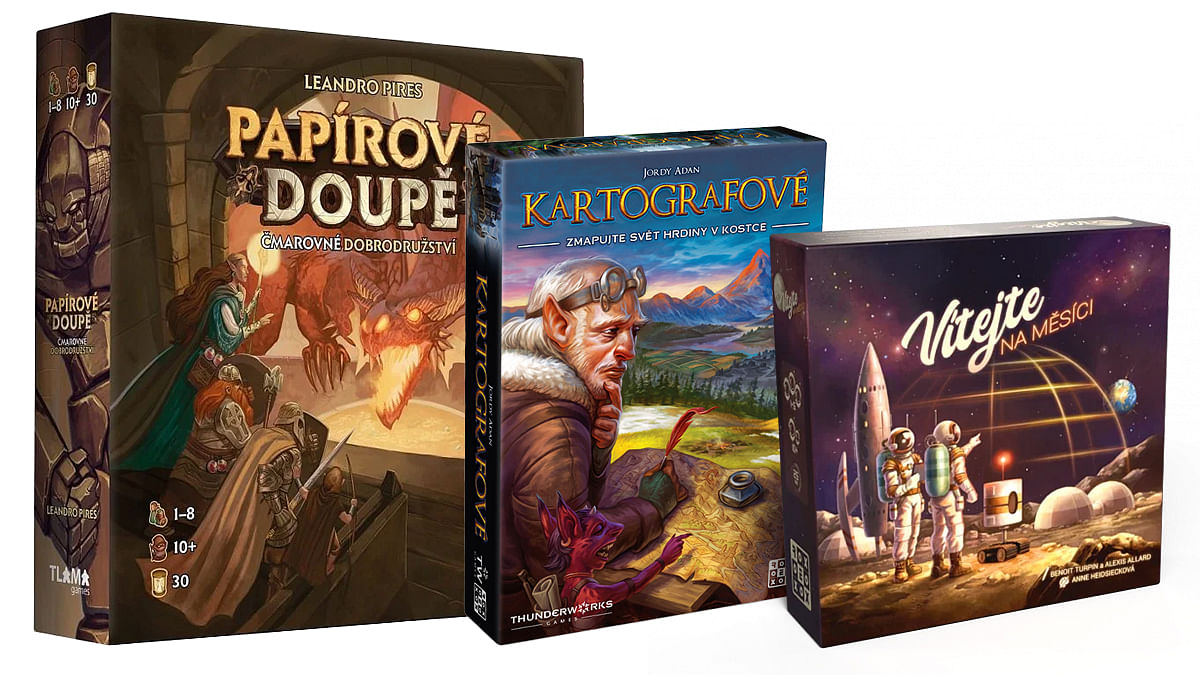
Roll and Write games are usually fast, mostly lasting between 15 and 45 minutes. Games of this type are often compact and easily portable, making them ideal for playing on the go. They usually contain a minimum of components, mostly just dice, game record sheets, and pencils or markers.
Examples of Roll and Write games: Paper Dungeons, Dinosaur Island: Rawr 'n Write, Cartographers, Welcome to the Moon
Engine Building
Engine Building is a popular style of board game where players create and develop efficient systems or "engines" that allow them to generate resources, points, or other advantages more efficiently and quickly. Players start with minimal resources or abilities and gradually build systems during the game that progressively earn them more and more resources or points. By combining different cards, tiles, or actions, they create increasingly powerful effects.
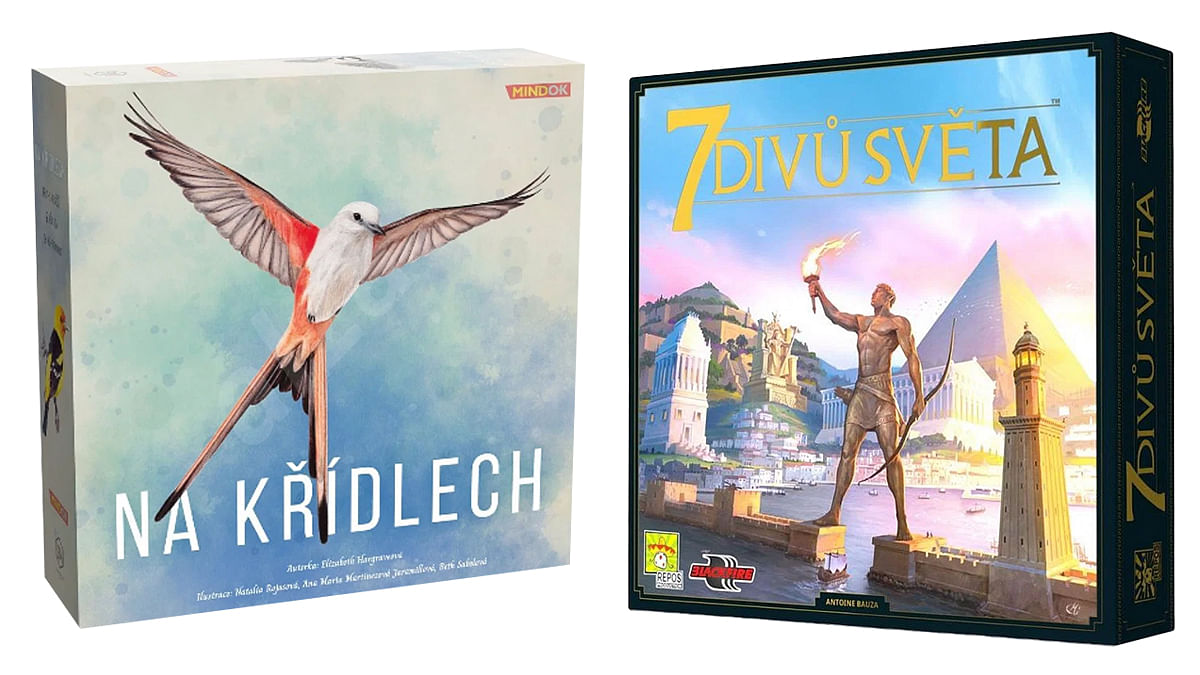
EB requires long-term planning and strategic decision-making. These games are popular for their ability to reward smart planning and combining elements, which brings a good feeling of a well-functioning "machine". Thanks to various ways to achieve success, they have high replayability and provide players with many opportunities to discover new strategies and combinations.
Examples of Engine Building games: Terraforming Mars, Wingspan, Dominion, Deal with the Devil, 7 Wonders
Dungeon Crawl
DC games focus on exploring various spaces, fighting enemies, and gathering treasure. This style of game often stems from classic role-playing games (RPG) and brings adventure and tension to players who embark on expeditions into dark dungeons together. Players move through gradually revealed game tiles or maps that represent various rooms and corridors of dungeons. In doing so, they must face various types of enemies, from monsters to traps, which they overcome using combat, spells, or skills.
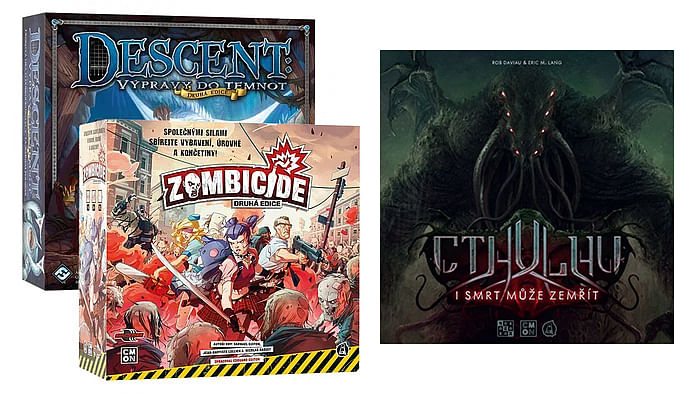
Players control characters with various abilities and skills that improve during the game. During their adventure, they find and collect treasures, weapons, armor, and other equipment that help them throughout the game. Many DC games contain story campaigns or individual scenarios that determine goals and challenges. While playing, everyone experiences epic adventures and creates unforgettable stories.
The cooperative nature of most Dungeon Crawl games supports teamwork and strategic planning, making them ideal for groups of players who enjoy shared adventures.
Examples of Dungeon Crawl games: Gloomhaven, Descent, Karak, Zombicide, Tainted Grail, Cthulhu: Death May Die
Set Collection
In SC, players collect sets or groups of similar items, cards, or components. Players try to acquire sets of items that can have different point values or effects when collected. They often form specific shapes or patterns from such sets. During the game, they compete for the same items or sets, which leads to interaction between players as well as mutual competition.
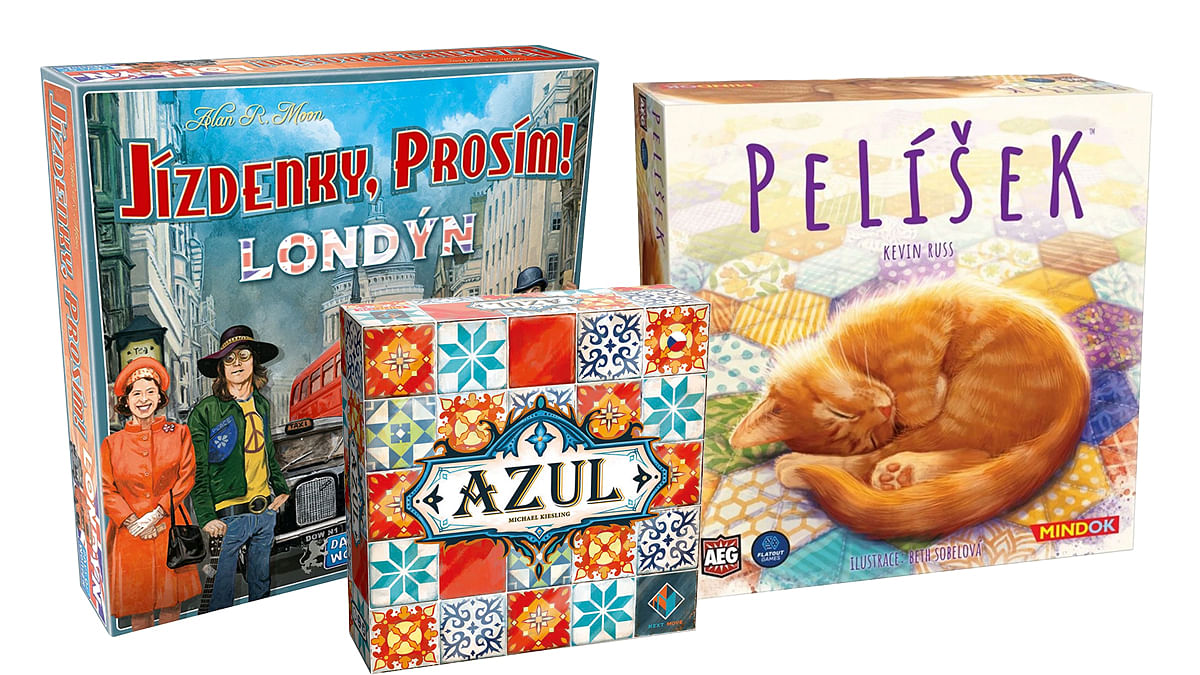
Set Collection games offer fun and strategic experiences where, by combining and creating certain shapes or structures, you compete to achieve the highest point gain. This mechanic is popular due to its simplicity, accessibility, and variability, which allows players to create different strategies and tactics in each game.
Examples of Set Collection games: Ticket to Ride, Azul, Cascadia, Calico,7 Wonders Duel
Legacy
Legacy board games are a specific type of board game that changes its components and rules during play. This means that every player experience can influence the future development of the game. Players often add or remove cards, stick stickers on the game board, destroy certain game elements, or write changes directly into the rules. This concept ensures that each campaign is unique and the game story gradually evolves based on the decisions and results of individual games. A disadvantage of Legacy games is often low replayability.

Examples of Legacy games: Pandemic Legacy, Risk Legacy, Gloomhaven, Frosthaven
Storytelling
The name of this category speaks for itself. These board games are primarily focused on the story, most often in the form of a cohesive campaign. The game mechanics themselves are usually in the background, often simplified. Story games often work similarly to gamebooks - players determine which way the story will go. Even with story games, there is a problem with replayability. Once you know how the game ends, it's hard to start over and pretend to be surprised.
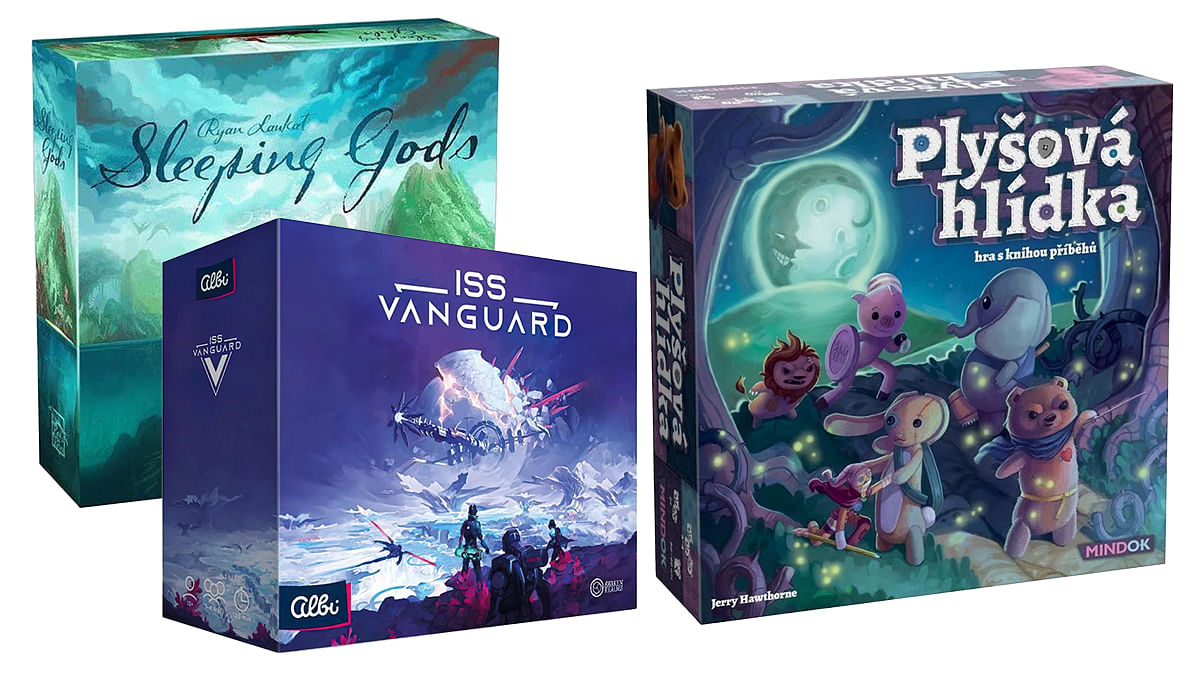
Examples of story games: Sleeping Gods, ISS Vanguard, This War of Mine, Stuffed Fables,Oath: Chronicles of Empire and Exile
Racing
Again, a self-explanatory name. Racing board games are games where players compete to see who gets to the finish line first or completes certain tasks as quickly as possible. These games often involve elements of strategy, tactics, and often luck. The goal is usually to overcome obstacles, overtake opponents, and effectively use available resources to achieve victory.
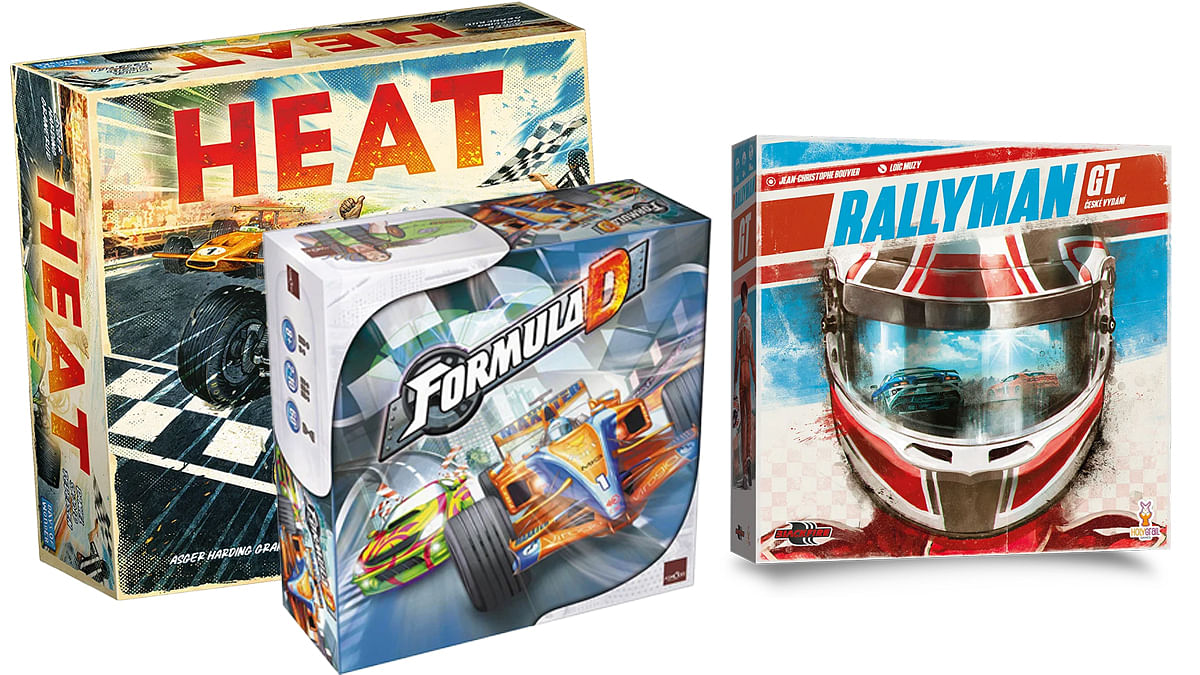
Examples of racing games: Heat, Rallyman GT, Formula D
Cooperative or semi-cooperative games
A very popular category of board games. In cooperative games, players join forces against the game itself. The basis of success is cooperation. Semi-cooperative games work similarly; players try to complete a common task, but often some tasks are mutually exclusive with the tasks of other players. In semi-cooperative games, the element of a traitor regularly appears - a player with a secret task to sabotage others. One player thus represents the villain against whom the others are playing.
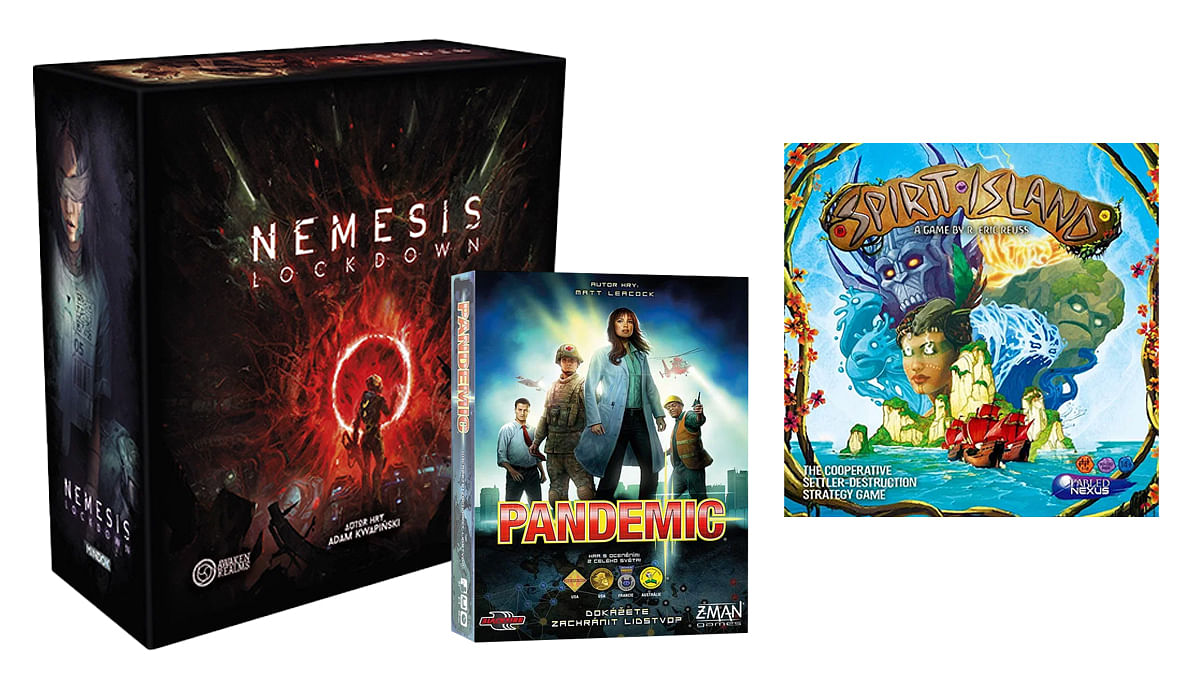
Examples of (semi) cooperative games: Pandemic, Spirit Island, Gloomhaven, Nemesis
You can sort board games by mechanics practically forever. No overview will ever be complete. Every metal fan knows this. Sooner or later, a group will appear that invents its own subgenre. But in the end, that's a good thing. Even board games are constantly evolving, and their creators are always coming up with novelties and mechanics that haven't been seen anywhere else before.
We hope this article was beneficial for you and that you now have a better orientation in what is hidden in some of the boxes. Now just choose the best game for you and your friends based on the mentioned categories and game mechanics, and enjoy the game!
How to filter game categories and mechanics on imago?
Just use our game filter. How do you find it? Just go to the Board and card games category and click on the big yellow FILTER button.
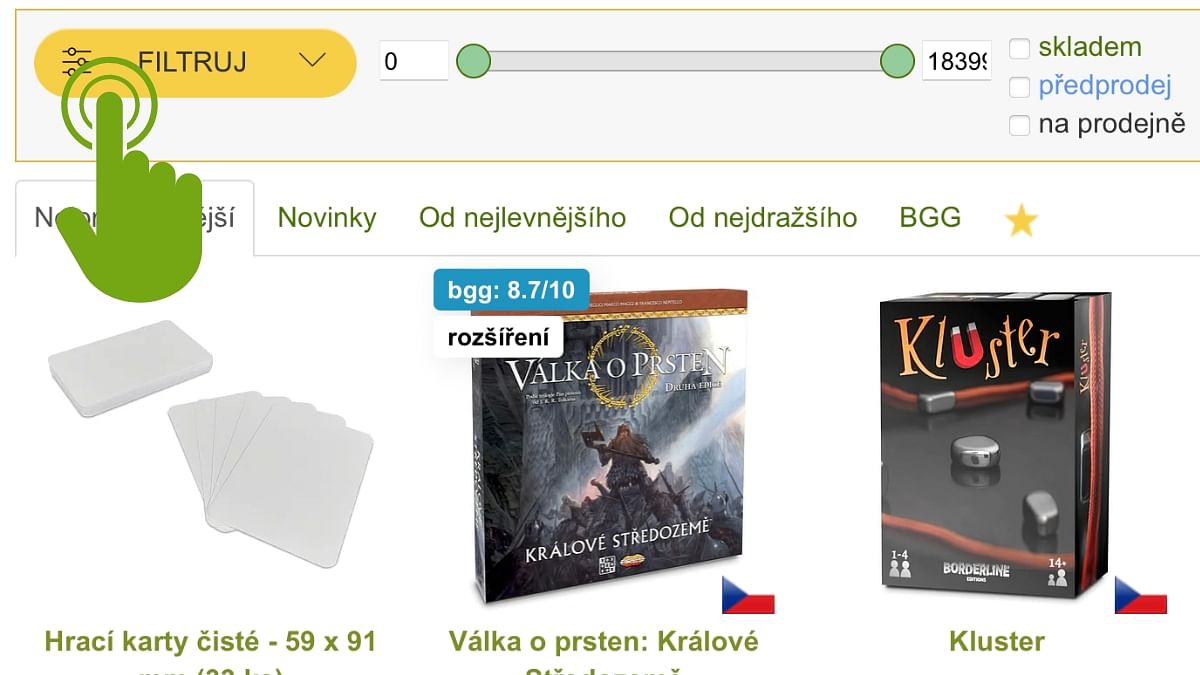
Just click on it and a panel with an extensive, almost endless offer of filters will open… Don't be intimidated, though! Here, too, you can play with the filter to your heart's content and practice your logic. Replayability is quite high. :)
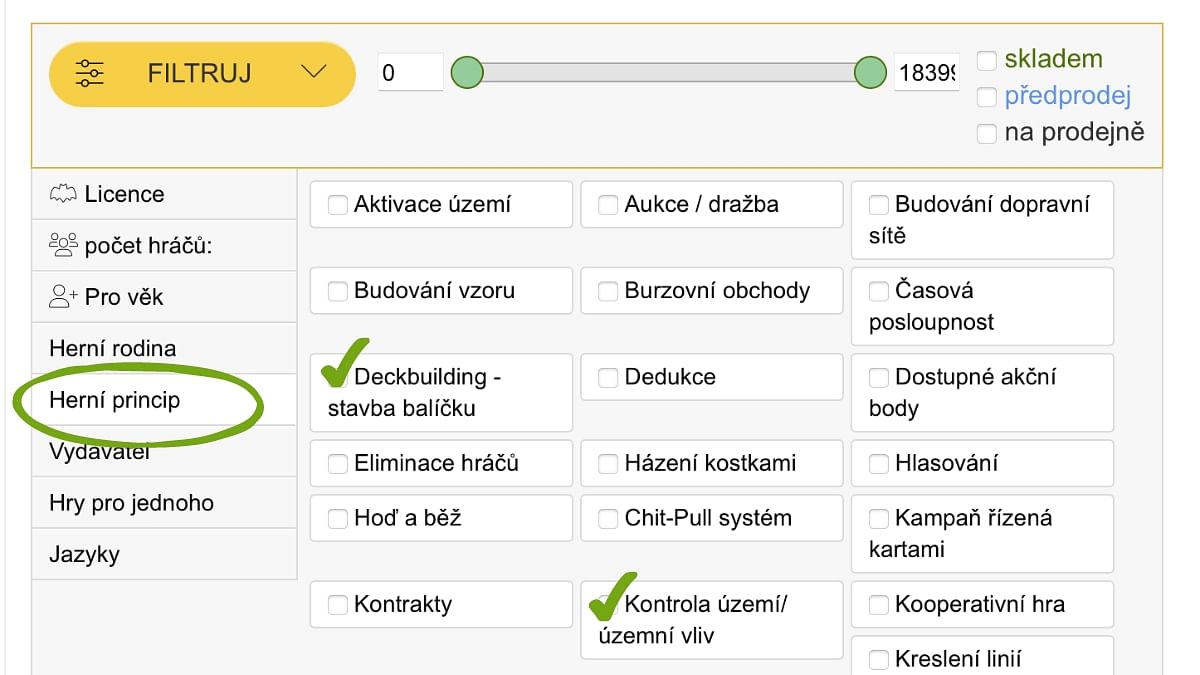
In the filter panel, you can select games not only by recommended age and number of players, but you can also select game mechanics and categories you are interested in. On the panel, you will find them under the name Game Principle. But beware! You can select multiple game principles, and the game will appear in the filtering results if at least 1 selected option applies. I.e., the more options you check, the broader the offer will be. Therefore, we recommend checking filters wisely.
Game Principle filters are uploaded from BoardGameGeek, so we cannot influence their appearance. However, we hope this guide makes filtering easier for you and that you might find games to your taste thanks to it.
And now, happy hunting!
authors: Daniel Korčák and Karel Krajča
Daniel Korčák
Autor článků na imago.cz

Karel Krajča
Šéfredaktor, content creator a organizátor festivalu Fantastická Ostrava. Fanoušek fantastiky, videoher, deskových her a popkultury obecně. Příležitostný milovník malování figurek a craftení všeho druhu. Hudební závislák a amatérský znalec fyziky a matematiky.
You might also like
A Brief History of Dice
Did you know that dice have accompanied humanity for over 5,000 years? Take a look at their history from the first throwsticks to modern collector sets. full article...
13. 8. 2026 Karel Krajča 6 min
Outdoor party games for kids and adults 2
Believe it or not, even board game fans sometimes need to head outside, stretch their backs, and get a taste of that legendary fresh air. full article...
Tips and guides 28. 4. 2026 Karel Krajča 4 min
Space horror returns: A review of the board game Nemesis: Retaliation
A new map, improved combat, and more action. Read the Nemesis: Retaliation review and find out why this sci-fi board game surpasses its predecessors. full article...
5. 5. 2026 Karel Krajča 6 min