


Life on the Grid: The Golden Age of Dungeon Crawlers
Dungeon Master changed the world of RPGs. Read about the history of real-time dungeon crawlers, legendary games, and their Czech successors.

Gaming history is full of moments where technological limitations led to unexpected and brilliant design solutions. This is exactly how real-time dungeon crawlers, a genre nicknamed "blobbers," were born. This style of game emerged as a necessary bridge between static turn-based games and fully three-dimensional movement, defining an entire generation of RPGs.
Predecessors: The Path to the Grid
Before 1987, turn-based systems ruled computer RPGs. Titles like Wizardry (1981) and Might and Magic (1986) laid the foundations: a party of adventurers, first-person exploration, and grid-based movement. Everything was static, though. The player took a step, and the game redrew the screen. Combat happened in turns, waiting for commands for the entire party. It was a digital adaptation of tabletop games like Dungeons & Dragons, fully dependent on imagination and often manual map-drawing.
A Revolution Named Dungeon Master
By the mid-80s, the vision for the next step was clear: a fluid 3D world in real-time. However, the hardware of the time (Atari ST, Amiga) wasn't up to the task. A small studio, FTL Games (Faster Than Light), came up with a brilliant compromise in the form of Dungeon Master (1987).
Dungeon Master (1987): Defining the Genre
DM brought players a world functioning in real-time while keeping movement strictly tied to the grid. This combination became key:
- Real-time combat: Monsters moved and attacked independently of the player. This brought tension and action to the game. Sidestepping (the so-called "DM dance") became a basic survival tactic.
- Interactive environment: The grid allowed for precise work with traps and mechanisms. You could lure an enemy under a portcullis and drop it at the right moment using a wall button.
- Magic system: A unique rune system, where players cast spells by combining symbols, required experimentation and memory.
- Character development: Characters improved by doing (fighting, casting), not just by assigning points after leveling up.
Chaos Strikes Back (1989)
A standalone expansion to the first game, famous for its brutal difficulty and non-linear dungeon design. It targeted veterans of the original game, offering them the ultimate challenge.
Dungeon Master II: The Legend of Skullkeep (1995)
The sequel to the original Dungeon Master arrived eight years later, at a time when the genre was already giving way to fully 3D games (e.g., Ultima Underworld). DM2 brought improved graphics, outdoor locations, and more complex AI for monsters and merchants. Personally, I consider Legend of Skullkeep the best dungeon crawler of all time – it has great music, excellent gameplay ideas, beautiful unique graphics, and a specific fantasy atmosphere with steampunk elements.
Derivatives and the Golden Age
The success of Dungeon Master triggered an avalanche of followers who improved the system or moved it into other settings.
- Bloodwych (1989): Introduced cooperative split-screen multiplayer, a unique and technically demanding feat for its time.
- Captive (1990): A sci-fi variation with remote-controlled androids and procedurally generated levels.
- Eye of the Beholder (1991 - 1993): Westwood Studios combined DM mechanics with the Advanced Dungeons & Dragons license. The result was a trilogy that drew masses of tabletop RPG fans to the genre. Familiar environments (Waterdeep, Forgotten Realms) and classic monsters (Beholder, Drow) worked perfectly in a real-time coat.
- Lands of Lore: The Throne of Chaos (1993): Westwood again, this time aiming to make the genre as accessible as possible. The game offered beautiful, fluid graphics (even during grid movement), automapping, a strong story, and full voice acting (Patrick Stewart as King Richard). For many, it was the swan song of the classic era.
The Czech Footprint and Modern Resurrection
The genre left a deep mark in our region and also saw one unexpected, yet highly acclaimed return.
- Brány Skeldalu (1998): A Czech gem by Jindřich Rohlík. It was released at a time when the world was moving away from dungeon crawlers. It returned to a turn-based combat system, offering a dense atmosphere, Czech voice acting, and high difficulty. For local players, it is an absolute cult classic.
- Legend of Grimrock (2012): The independent Finnish studio Almost Human managed the impossible – resurrecting a dead genre. Grimrock is a modern tribute to Dungeon Master in every way: grid movement, real-time combat, puzzles, and secrets. The game's success showed that old design principles still work in modern graphics and have plenty to offer players.
- The success of the first part was followed in 2014 by Legend of Grimrock II (2014), which partially moved the game to outdoor locations.
- Underkeep: A game by a Czech developer announced for autumn 2024. It is an old-school classic dungeon crawler that strongly references 90s legends in both visuals and gameplay.
Dungeon crawlers are not just a dusty chapter of history, but proof that quality game mechanics never age.
author Jiří Reiter

Jiří Reiter
Věčně punkový podnikatel, průzkumník slepých uliček, samouk, geek, fantasák, otec čtyř dětí.


You might also like
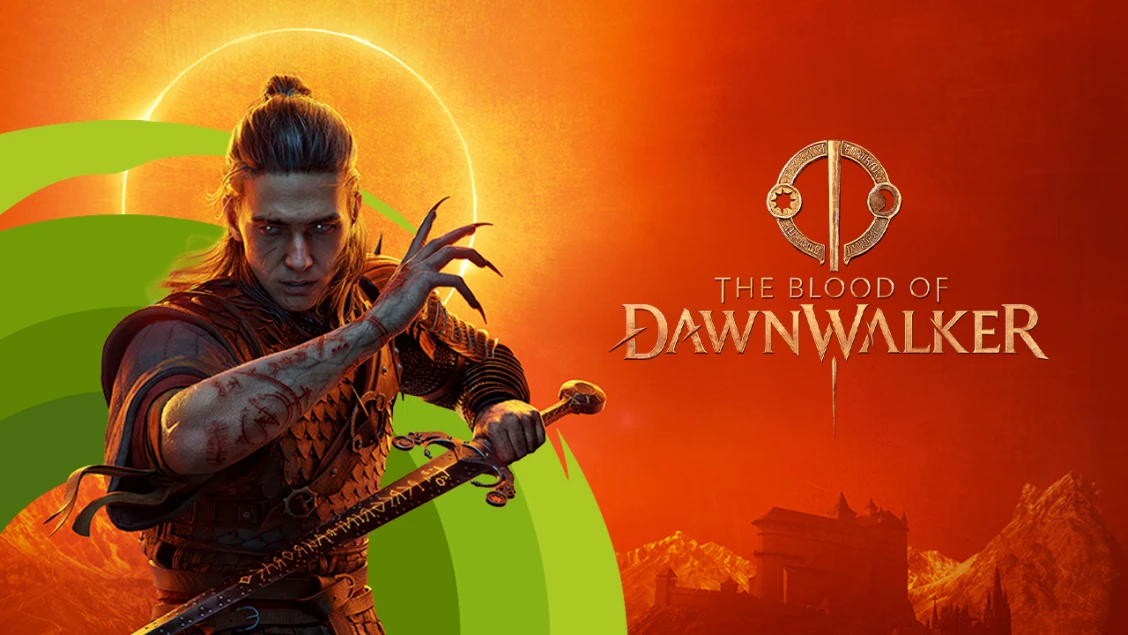
The Blood of Dawnwalker: A Spiritual Successor to The Witcher 3
The Blood of Dawnwalker is a spiritual successor to The Witcher 3. It offers a dark story, freedom of choice, and a captivating atmosphere. full article...
22. 9. 2026 Fenrys 7 min
BlizzCon 2026: Diablo V, StarCraft shooter, and more news
Blizzard revealed their plans at BlizzCon 2026. Read the details about the surprising Diablo V, the new StarCraft shooter, and a special version of World of Warcraft. full article...
14. 9. 2026 Karel Krajča 5 min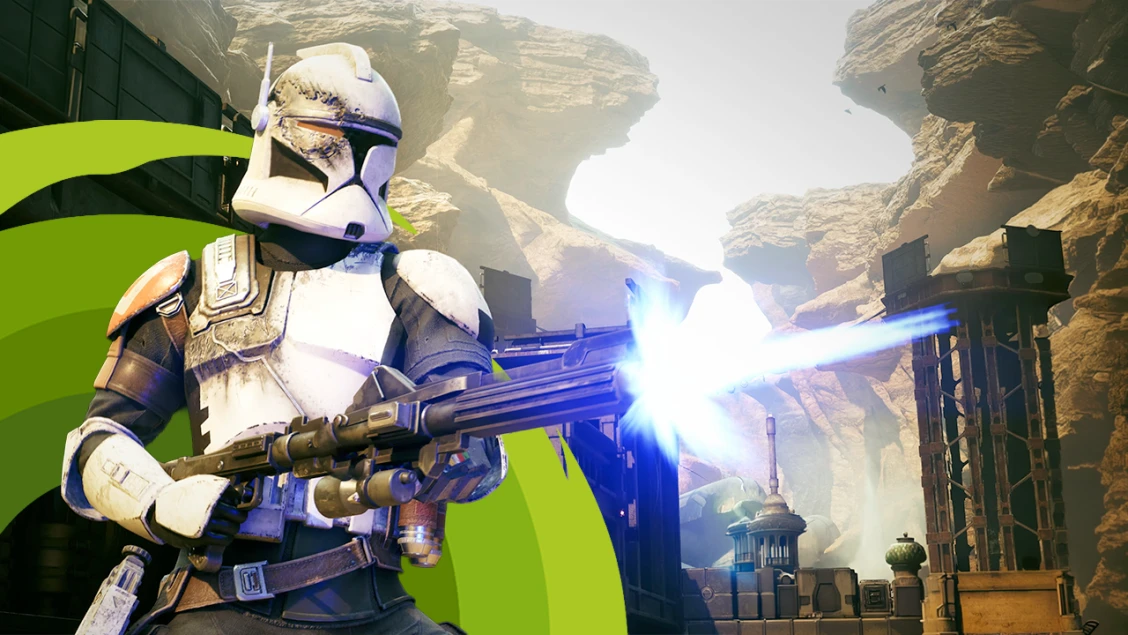
Star Wars Zero Company: An experience like no other
Star Wars Zero Company promised tactical battles in the Clone Wars. The result? A good story, but critical bugs that ruin the game. full article...
16. 9. 2026 Fenrys 8 min