


Shadows of the Shire: An interview with the filmmakers
A fan film for lovers of Middle-earth and hobbits premiered this year. We talk about Shadows of the Shire with its creators, Svatoslav Hofman and Jaroslav Klejzar.

Tolkien's world is alive and thriving in the Czech lands. Long before Adolf Born had Mach and Šebestová sliding down banisters, he had already cut his teeth illustrating a cartoon Hobbit. That was a long time ago, perhaps back in the Second Age… In 2020, the fan film Roh Gondoru (Horn of Gondor) was released. Meanwhile, in the picturesque nature of the Orlické Mountains, the first hobbit hole began to sprout, later growing into an entire village called Český Hobitín. Two HitHit projects followed, eventually leading to the full fan film Shadows of the Shire (Stíny Kraje), which premiered this year and is now available to watch on YouTube. Today, I’m talking about Shadows of the Shire with its creators, Svatoslav Hofman and Jaroslav Klejzar.
I’ve seen Shadows of the Shire and didn’t skip the making-of documentary either. I highly recommend both. By the end, I wished the film were longer and the plot more developed. And I definitely don’t mean that as a criticism—quite the opposite. The film surprised me with its high-quality shots, acting performances, and a brilliant script that, even on a limited budget, conjured up a suspenseful story you just don't want to leave.
The viewer is immediately struck by the dramatic contrast between the poetic countryside and the carefree life of hobbits, and the mysterious danger hidden in the shadows of the surrounding forests. Just one hobbit step from a blooming meadow into a dark forest is enough to shatter that peace, instantly surrounding the viewer with a mysterious, sometimes even horror-like atmosphere. And what would a story from the Shire be without a rebel—or rather, a rebel girl—poking her nose where it doesn't belong?
But I won't keep you in suspense any longer; it's time to hit the creators with a pile of questions. To start, they'll tell us a little about themselves, just to make sure they aren't Ringwraiths, but real people.
Jarda and Sváťa, how do Shadows of the Shire and Tolkien's Middle-earth fit into your lives?
Jaroslav Kejzlar - Screenplay and Direction
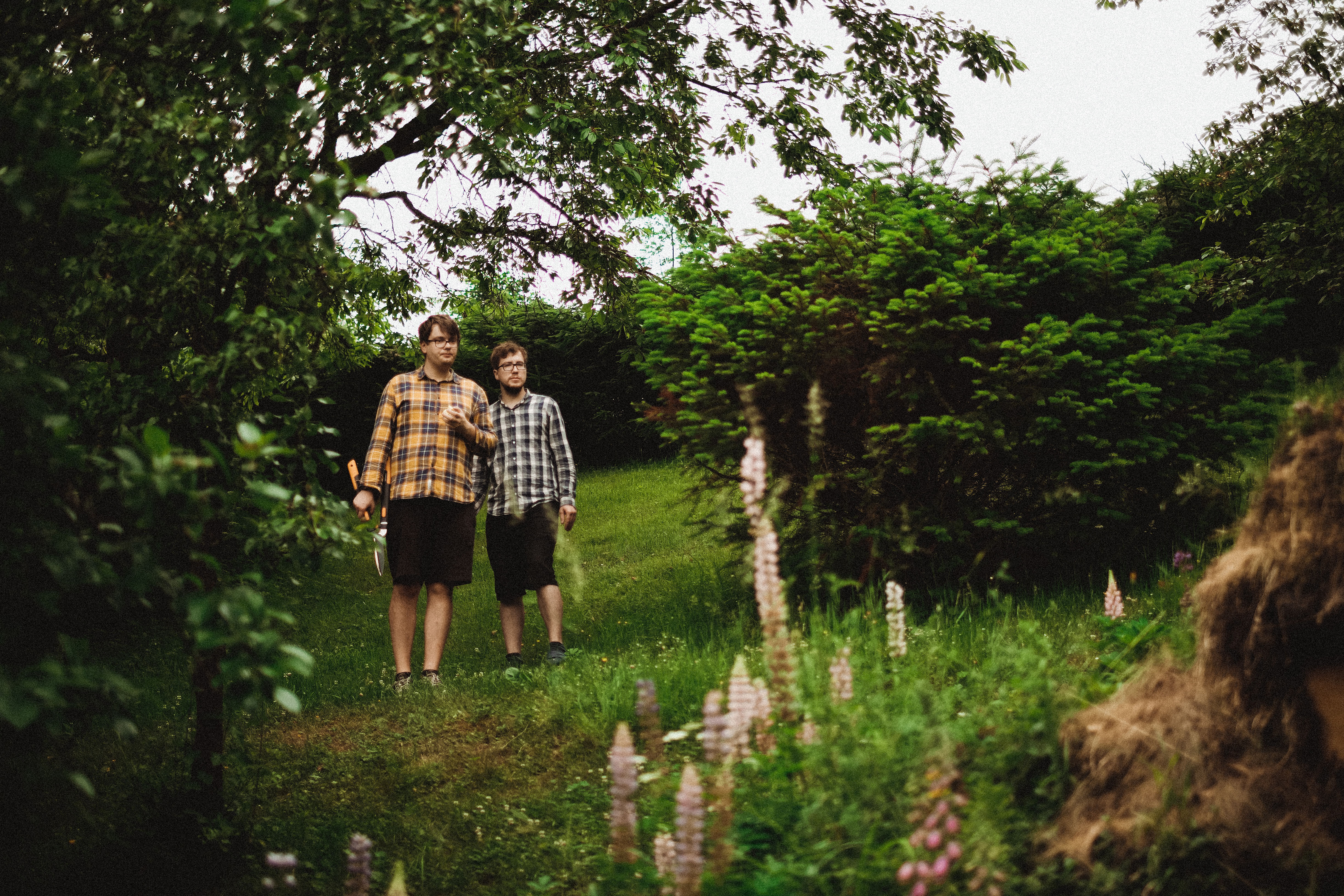
Jaroslav was captivated in the cinema by The Lord of the Rings: The Return of the King, which his dad took him to see when he was ten. The little junior hadn't seen anything so grand until then, and no other world has compelled him to dive deeper or surround himself with it since. He read the books, bought fan publications, collected figures, sketched characters from the films, and created his own maps. But until he started college, he hadn't met a peer for whom Tolkien's works were a source of inspiration and Jackson's films were more than just great action spectacles. Since he and Svatoslav discovered they complemented each other in their creative approach, they decided to tackle the script and, almost on a dare, launched a campaign on HitHit to help realize their dream fan project.
Svatoslav Hofman – Cinematography and Sets
Svatoslav grew up in the foothills of the Orlické Mountains in the small settlement of Šediviny, which evoked the Shire for him so much that as a high school student in 2012, he began building his first hobbit hole. Even as a boy, he messed around with an amateur camera, read Tolkien, and was obsessed not only with Peter Jackson's films but also with the hours of bonus materials that revealed the honest film magic behind the sets, camera work, and digital effects. When he met his classmate Jaroslav Kejzlar in 2013 while studying at VOŠP, where he focused on cinematography and editing, their passion for film translated into their joint work.
Let's start right in. Why a story about hobbits, and not, say, dwarves or elves?
J: I think—and I'm speaking for myself, though Sváťa will likely agree—that we can both identify with Tolkien's hobbits in some way. I like my peace and quiet, I like to go for a chat at the pub, but at the same time, I feel a bit "different," kind of like when those four returned home from their journey to the Green Dragon and didn't quite fit in anymore. Plus, the main Tolkien stories are largely written from a hobbit perspective, so they offer plenty of room for fan adaptations. And when you meet a madman who builds holes on the slope behind his house, it's just too strong a combination.
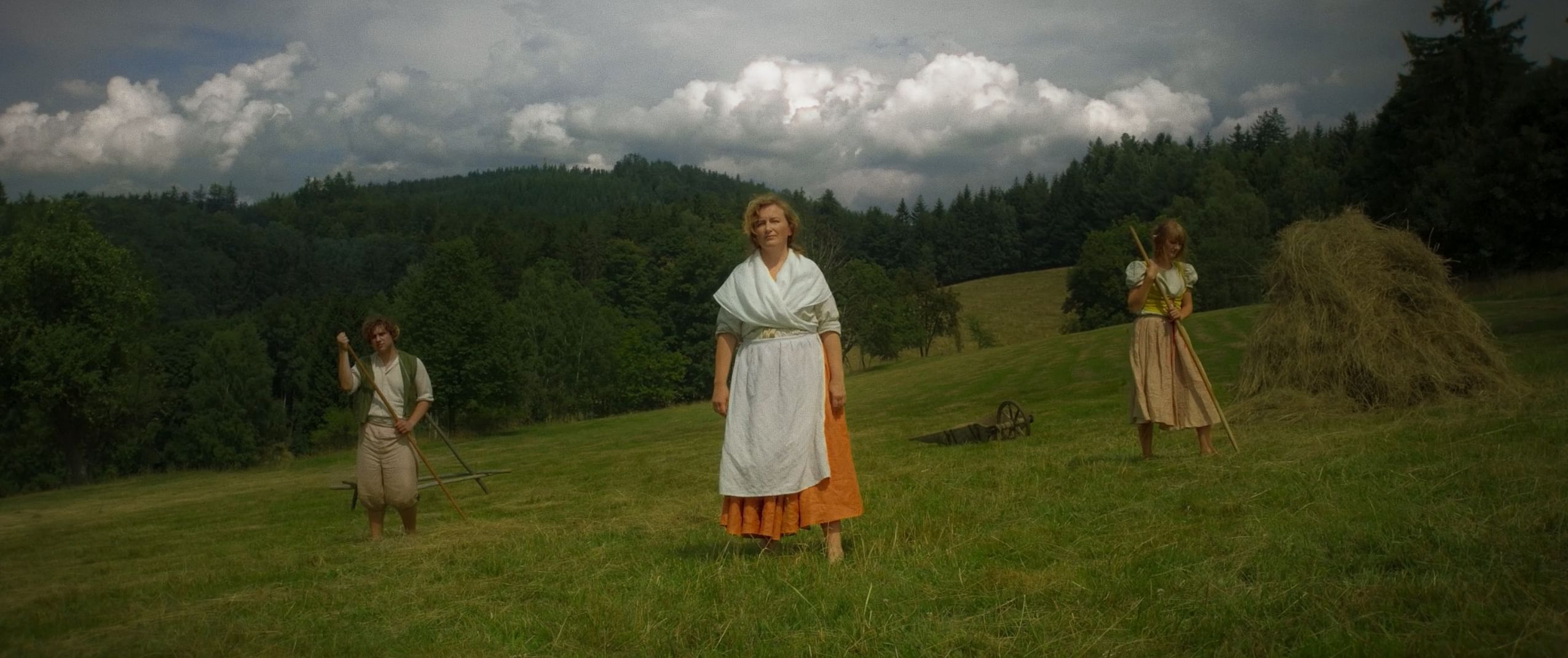
S: The holes in my case probably speak for themselves, and like Jára, I identify with hobbits the most. A childhood spent in Šediviny, where time still moves at its own peaceful pace, people build haystacks and mow meadows with scythes, meadows shine with colorful flowers, and streams jump down the hillsides—that was a direct link to the Shire for me. The holes were actually just an accessory so I wouldn't doubt that I lived in a real Shire, where a dwarf or elf doesn't usually wander, only occasionally a human passes through.
What period of Middle-earth is the story set in? Which books and films inspired you?
J: Everyone in the know realizes that a lot of time passes between Bilbo's return from the Lonely Mountain and Frodo's departure to Rivendell. From various hints in The Fellowship of the Ring, as well as The Silmarillion and Unfinished Tales, we tried to imagine how the presence of the Ring and those it attracts could affect someone in the Shire other than those in the main story. We therefore set our film in an unspecified part of the Shire during this period.
S: The fact that the story takes place in an unspecified hobbit village is crucial. While I was directly inspired by the films and book illustrations when creating the hobbit structures (both signed by artists Alan Lee and John Howe), which is why I named the village Český Hobitín, it is not actually Hobbiton in our film, which might be a bit confusing for some. During filming, we were inspired by some proven filmmaking techniques used by Peter Jackson, but otherwise, we tried to make the visual side our own and didn't try to mimic the existing films.
Did any specific hobbits from The Hobbit or The Lord of the Rings inspire you?
J: The character of Old Trousil is inspired by a hobbit mentioned in The Fellowship, who was supposedly trading with Isengard and supplying them with pipe-weed. But we mostly wanted to avoid Tolkien's characters and come up with our own addition.
Personally, I love the introduction to The Fellowship of the Ring, where Tolkien's story slowly unfolds and the hobbits are at the beginning of their journey. The Ringwraiths are just casually wandering around the Shire, and the hobbits, without realizing the nature of the danger, describe them as "strange folk" passing by. The peaceful and orderly Shire-folk also have a quite mysterious and rather dangerous forest right on their doorstep that they avoid. All of this was a great inspiration for me in choosing the environment and the tone of the narrative for our film.
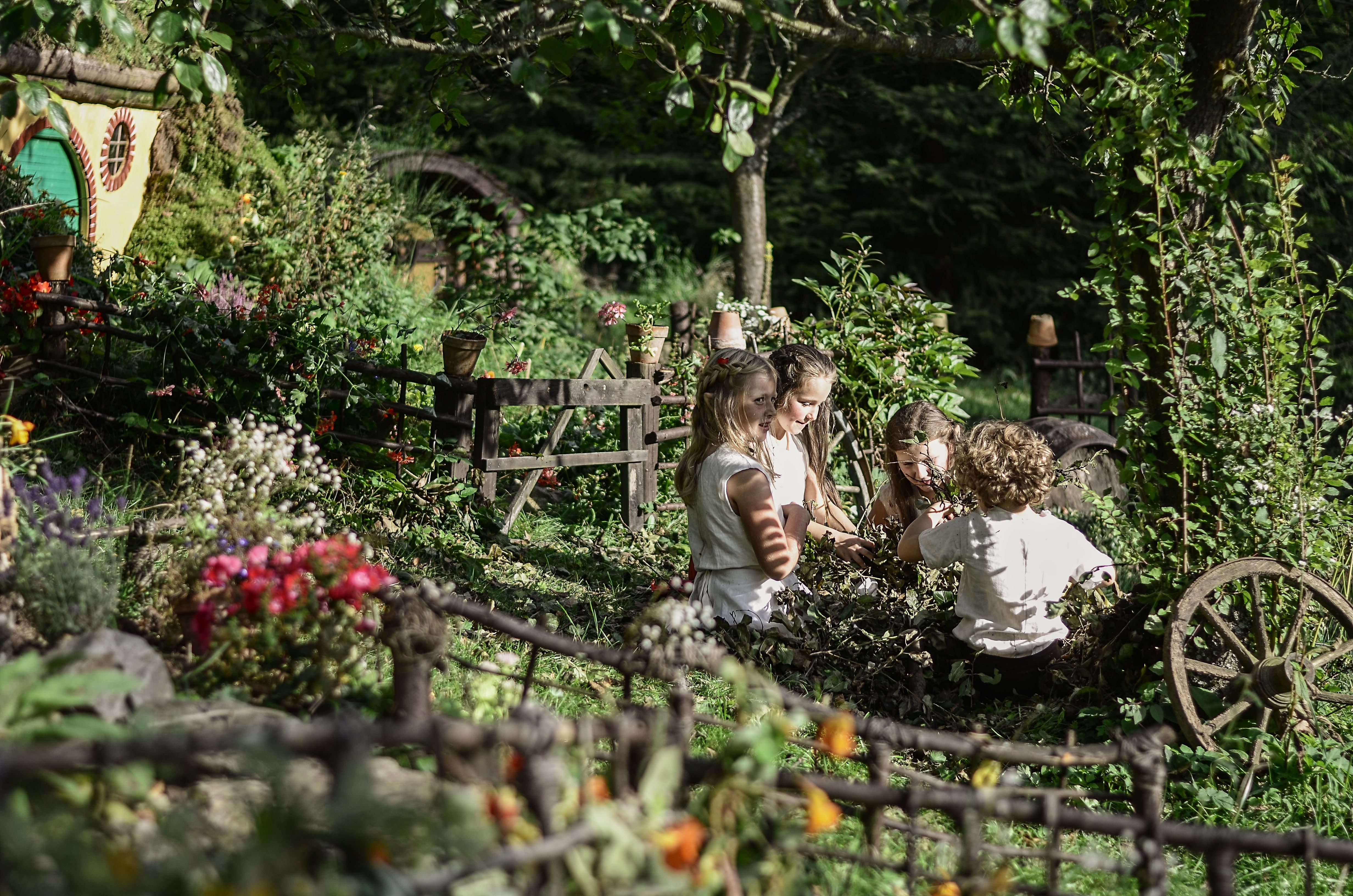
Do you think that as Czechs, we have a close connection to hobbits? You both come from the Sudetenland; do you see certain parallels between hobbits and the inhabitants of the Orlické Mountains and Broumov region?
J: I think we're quite close to them. We're always afraid that someone from the outside will disturb our cozy, sheltered little spot by the stove, but at the same time, we have an opinion on everything and understand everything distant very well. As someone from Broumov, I also perceive that many young and promising people are returning to our native region because the roots that bind them to it are too strong. Often, surprisingly for me, it holds true: the world is fine, but home in the Shire is best.
S: I think I perceive the similarity most in that the old-timers living in the mountains are a bit closer to a more natural way of life, and that daily contact with nature and the landscape is evident here. That is, of course, typical for many areas, but the mountains are still a bit more protected from civilizational chaos. We can still see things here that simply don't change much over time, much like the life of hobbits doesn't change.
Sváťa, you built Český Hobitín in your family's garden. How did your family view your idea?
S: I have to say they supported me a lot in everything and helped with the construction and maintenance of the sets as much as they could. Because too many tourists were coming during Covid and we needed to manage to reward all our contributors who chose a stay in Hobitín as their reward, it was quite exhausting for everyone at home, but I think we handled it well, even if it was demanding at times.
Did you build the first hobbit hole with the intention of making a fan film? Or did the idea for the film come later?
S: It all went hand in hand. With the first hole, I knew I wanted to use it as a set for some audiovisual project, then we met Jára, and the subsequent structures were built specifically for the film. While building and modifying various props, I thought a lot about where the camera would be and how it would move; it was also necessary to know where the actors would be, because it was important to work with natural perspective to create the illusion of a real hobbit village.
Jarda, the film has been on YouTube for a while now. What reactions have you noticed? Did anything surprise you?
J: I've noticed mostly positive reactions, which, I admit, surprised me quite a bit. I expected that many people wouldn't like the film. Firstly, that the story would be harder to understand—because there were too many ideas, while experience and skills were definitely fewer. But mainly, I was worried that for die-hard Tolkien fans, the behavior of the hobbits along with the point of the Shadows of the Shire story might be a bit too exaggerated. I'm glad that people who saw it like the visuals and stylization, because that took us the most time and talented people worked on it, but at the same time, I'm pleased that someone was able to decipher my storytelling style and that the story intrigued them.
Did you take away any experience from the filming? What would you praise yourselves for, and what would you perhaps do differently?
S: In my case, it was definitely a great experience regarding work with film equipment and more experienced colleagues in the field. Of course, looking back, one can always say what they would do differently, but I think we made the most of what we had available during filming. And it was a huge experience in terms of how many people were involved in the filming; after all, there were often twenty or more people moving on set at once.
J: I think that despite our lack of experience and financial means, we always managed to adapt to the situation, even when we each held several professions at once. Even though we were changing the script on the fly almost every shooting day depending on what didn't work out or wasn't finished, and in post-production we fought with a lack of manpower, we managed to pull it all together and finish it. I am grateful for how many people helped us with the result, especially in Šediviny, and how much it all gave me. I wish I had learned faster during the filming, and the whole thing might have been smoother and not taken a hundred years, but that's probably how it goes.
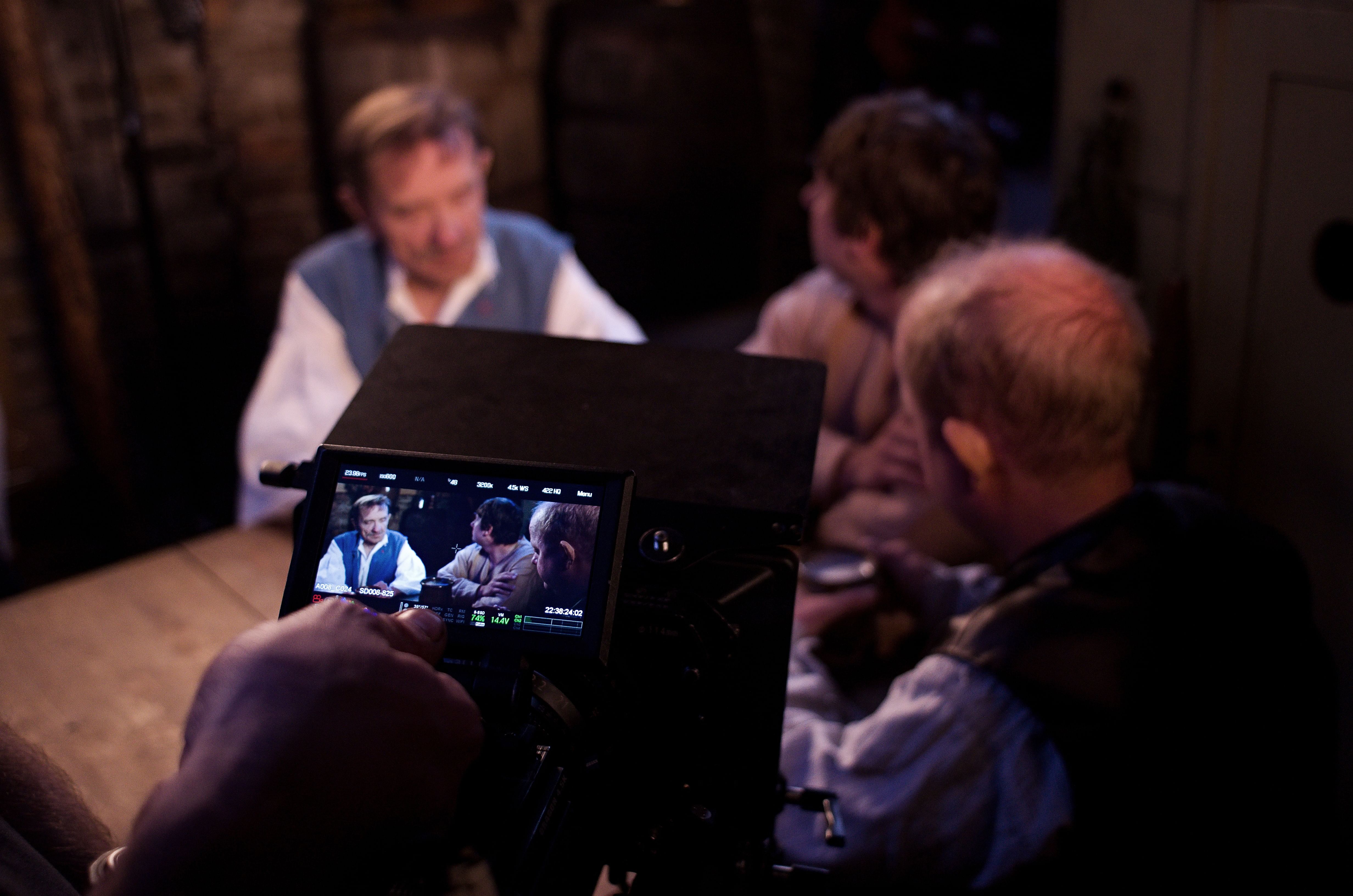
To turn an ordinary person into an extraordinary hobbit, how difficult was it to handle so many hairy hobbit feet and ears?
S: It was a lot of trial and error at the beginning. For actors with long hair, we only had tips of ears, but for short-haired actors, we had to cast their ears in plaster and then, with the help of a faithful cast, make latex ears that fit that specific ear exactly. Because these ears were very fragile, it was necessary to create multiple copies. In post-production, it was then very difficult to match the ears with the skin color during coloring, because it always looks a bit different on camera. For the feet, we did it by applying hair and dirt to the hobbits' feet in close-ups to give them a hobbit look. While it didn't have to be too detailed in wide shots, it was necessary to devote more time to the feet in closer shots so the result would be natural.
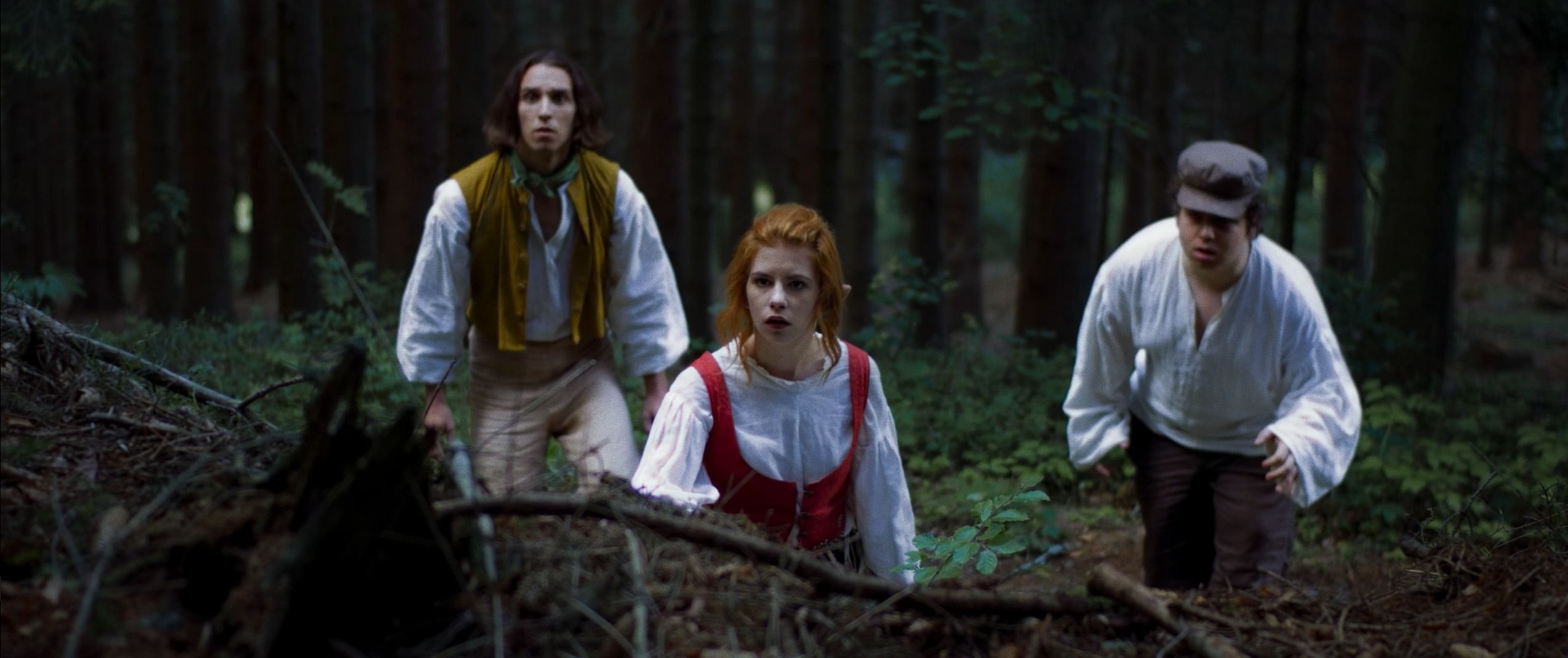
Did the hobbits have any special beer on tap? And what about Dolanské leaf?
J: One of our partners is the Broumov Brewery, which provided us with their beer in kegs and bottles, which we used during filming, for contributor rewards, and during our wrap party. I am very glad that we could use a product connected to my homeland.
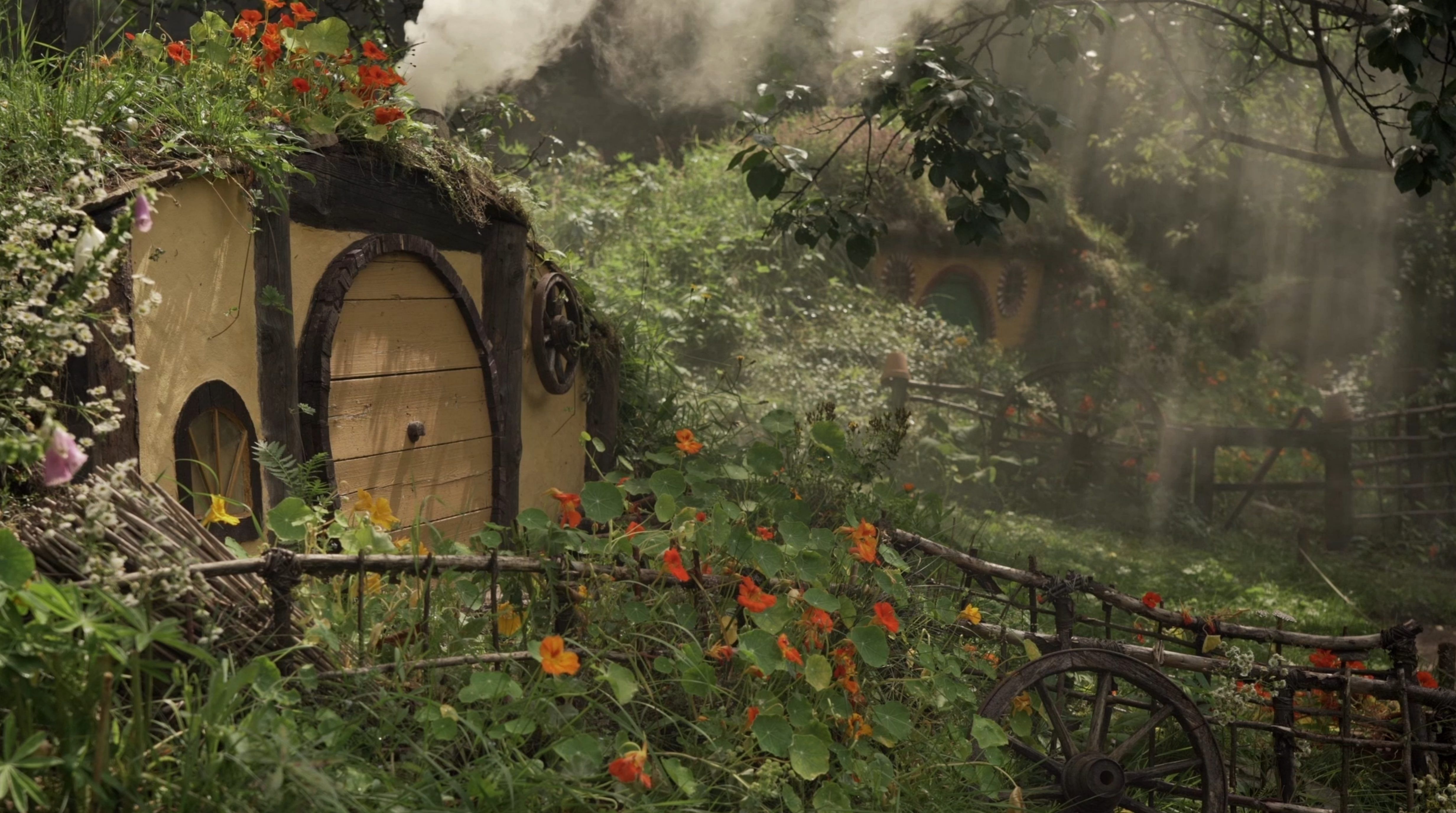
S: As for the hobbit leaf, we used quality tobacco and pipes made by Mr. Pavel Holub specifically for the film, but for the purposes of the film, it was necessary to help with a smoke machine and proper lighting so the smoke would stand out better.
It's clear that the film is receiving enthusiastic responses from Czech viewers. Are you planning to take the film abroad as well?
J: We are cautious; we don't want to force the film on anyone because we have respect for the works of Tolkien and Jackson, and we realize that we are offering ourselves to a wide fan base that generates successful fan works itself. However, we think that projects like ours don't really appear that often—at least not built on specific locations and sets like this. I would prefer for Shadows of the Shire to find its own way to the madmen in Tolkien's world if it interests them. English subtitles for the film on YouTube are already there, and we are planning versions of subtitles in other foreign languages as well.
The making-of documentary describes in quite some detail how much work, but also joy, the filming brought. Are you planning another fan film in the near future, whether with a hobbit theme or another?
J: We embarked on Shadows of the Shire during a unique period of our lives when we had plenty of time, energy, no commitments, and everything around was, let's say, still financially affordable. I can't imagine us ever repeating a similar project.
S: I also can't imagine a fan film of a similar scale, because it's something you have to be immersed in for a long time, and as Jára says, in our case, it was a specific period of life. I definitely want to continue filming, but over time I've found that I'm more drawn to filming nature, where there are so many real magics that one doesn't have to run away into any fictional world. I believe that we really do live in Middle-earth, we just often overlook it.
Pavla Žižková

Pavla Žižková
Zhouba šotků na imago blogu a markeťačka, věčný začátečník v oblasti relativity časoprostoru (jak teoreticky tak prakticky).
You might also like

Mysteries of the City of Kalus: An Interview with the Author of a Massive RPG Campaign
What is it like to write a massive RPG campaign? An interview with Sparkle about the Mysteries of the City of Kalus, the transition from classic to postmodern fantasy, and inspiration from real life. full article...
Interview 15. 12. 2025 Karel Krajča 5 min
Interview: Michal Dlouhý on his debut novel, The Divided City
An interview with Michal Dlouhý about his debut, The Divided City. How the book was created, what inspired him, and why the wizard loses his power. full article...
Interview 4. 11. 2025 Karel Krajča 5 min
The second Dračí Hlídka gamebook: An interview with the author
The Ztracené město Galadu gamebook is darker, more sophisticated, and more personal – and the author also reveals plans for its successor. full article...
Interview 30. 7. 2025 Karel Krajča 8 min