


How hard is it to publish a book?
Do you want to publish your own book but don't know where to start? Learn about the options from classic publishing to self-publishing and find out how to succeed in the competition.

What do you find in the article?
Before I try to answer this tricky question, it might be good to say who I actually am and why I think I’m qualified to write about it at all. So, let’s start from the beginning – my name is Michal Dlouhý (author's note: No, I am not that actor; it’s just a coincidence. No, I am not the police colonel and Ph.D. who wrote books about gendarmes and inspired the Četnické humoresky series either. Unfortunately, I just have a very common name…) and in June, my second book from the Kroniky magie series, titled Ve stínu impéria, is coming out.
Publishing two books doesn't make me a huge success, nor does it give me a monopoly on wisdom. However, since I managed to publish them quite recently, I gained a better insight into what the current Czech book market looks like for someone just starting out. And even though my experiences are subjective, maybe some of my advice will come in handy for you.
How did my book get published?
My first book, Rozdělené město, was released in November 2025 under the Fobos imprint via the Knihy Dobrovský publishing house. However, the path to its publication was by no means traditional. During the Festival knižních závisláků, which took place a year earlier, I placed in a writer's startup competition and was offered a collaboration to finish the manuscript with the eventual possibility of publication, which eventually happened. Thanks to this competition, books by other authors also saw the light of day. Petr Rušeb released the fantastic Světelné (k)roky, which is a tribute to Douglas Adams, and Zuzana Johanovská took care of the mysterious novel Volání.
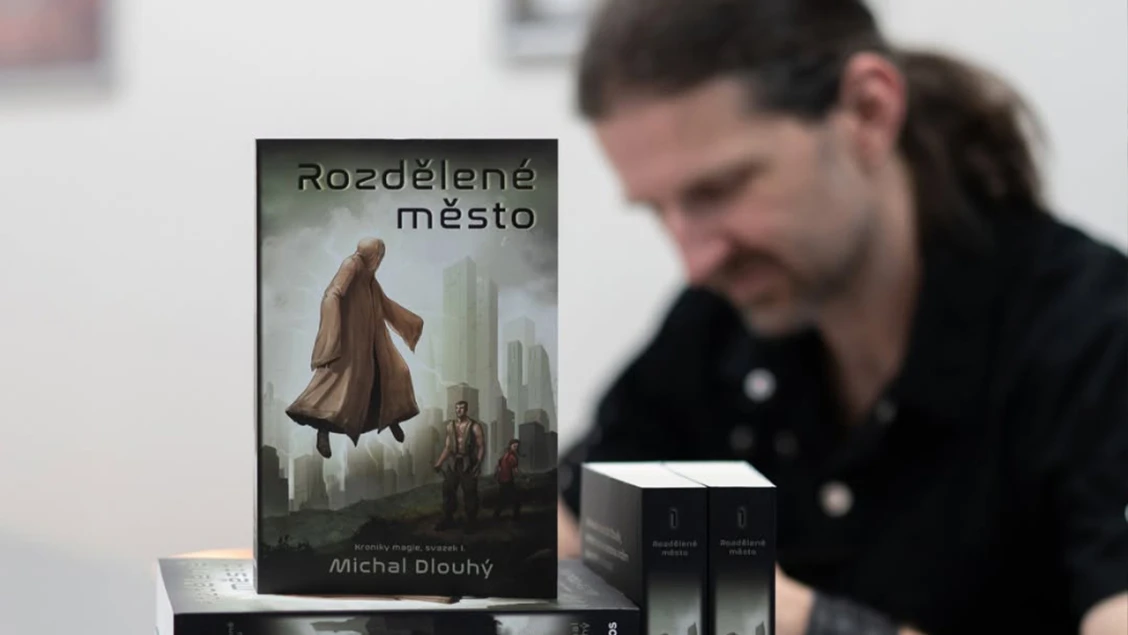
And even though the competition was repeated the following year, it is clear that only a handful of new authors publish books this way, so it is not a very universal path. But those who really want to, find a way. It should be noted that when I submitted the first part of my series to the competition, I was also finishing the third part, so I already had a ton of work behind me.
How hard is it really?
The reality is that there are many more opportunities, but it is much harder to take advantage of them. What exactly do I mean? Historically, there have always been two relatively clear ways to get a book to people. Either the author managed to convince a publisher to release their work, or they invested their own money into printing it and hoped it would catch people's attention enough to recoup the investment.
These two options still exist, and a hybrid one and a few specific modern ones have been added. But with the options for publishing, competition has also grown. Books are being created more abundantly than ever before, and you are fighting for readers not only against Czech titles but, thanks to widespread foreign language education, you also have to deal with foreign competition. And there is quite a lot of that, too.
A quick run-through of the options
Perfectly breaking down each variant and its issues would take a series of separate articles, but I will try to offer at least a quick summary.
Through a publisher – make a list and carefully go through the websites of individual publishers. Find out if they accept manuscripts. Some have forms for this, while for others, you have to dig deeper. Think about whether your manuscript matches what the publisher releases. If you send your Space Opera somewhere that publishes Dark Romance, they probably won't praise you too much. Respect your time and theirs, and arm yourself with patience. They receive more text for review than you might expect.
Self-publishing – choose one of the specialized companies, and they will arrange the publication of your book. It will cost you some money, and if you pay extra, you can get additional services – editors, proofreaders, typesetting, better paper, illustrations, graphic design, hardcover. There are no limits to your imagination, only those set by the capacity of your wallet. Sometimes the service includes getting the book onto bookstore shelves; other times, you have to handle distribution yourself. And then comes marketing.
Crowdfunding – this is very close to self-publishing. You are again trying to publish the book on your own, but in this case, you shift part of the costs to your fans, acquaintances, friends, family, and everyone determined to support your project financially. The writer's version of Kickstarter or Gamefound works better the more people you manage to activate. Success often depends on how well you have crafted your campaign.
This method works extremely well if you already have established and enthusiastic fans – YouTubers and streamers can use the audience they have already gained, who will be happy to help them succeed. A wonderful case in point is Exarie by Radek „Sterakdary“ Starý (author's note: In this unique case, several things played a role. First, the fans, then the fact that Radek had a completed book saga behind him, and above all, a polished crowdfunding campaign on Startovač, in which I see a bit of inspiration from Brandon Sanderson's legendary Kickstarter).
Publishing online – a seemingly thankless method where you regularly produce texts and publish them online. These can be short stories or chapters of a longer project, and at least initially, you provide your work completely for free, whether on your own website or, for example, on Wattpad. Only when you manage to capture an audience can you use one of the above methods to publish. An established project that has thousands of enthusiastic readers is much more attractive to a classic publisher. Or you can drive fans to Startovač because they will want to have your book physically in their hands. You can then monetize the release of bonus online content, for example, using Patreon or Herohero.
This is by no means an exhaustive list. Methods can be combined, linked in various ways, and when you focus on one of them, you will find an immense amount of information about it on the internet.
But how to actually succeed?
In tough competition, you will increase your chance of success primarily by having a high-quality text ready for review. There are dozens of books on this topic, but I will give you three basic tips that will help you at the beginning.
Write (all the time and as much as possible) – this is the foundation of everything and the most important advice you will ever get. Even if you have brilliant ideas and huge talent, writing improves your ability to put it all on paper. And if you aren't exactly Stephen King and your stories are missing something, you will best figure it out by writing. Practice is the foundation.
Do you want to learn to take photos? Well, it will take a while before you learn to hit the right moment, prepare flawless lighting, and create the perfect photograph. You will only improve by taking more photos and practicing. The same awaits you when you learn to play a musical instrument or play football. Training and repeating the basics will help you in all these cases, and the same applies to writing. Every page, every paragraph, and every word helps you improve.
Learn to accept criticism – no matter how good a book you write, there will always be readers who find something wrong with it. Some won't like the genre or your writing style, and in that case, it's good to realize that you will never be able to please everyone. But there might also be a valid point – for example, that your children's book is full of swear words, or that your sci-fi novella violates all the laws of physics.
These are, of course, examples where the discrepancies are glaring, but what if someone points out that your character doesn't communicate in proportion to their age, or their behavior doesn't match the culture they come from? Such points need to be accepted, thought about, and checked to see if you missed something. A few minor adjustments can shift the quality of your text by several orders of magnitude. It may also turn out that it's not a mistake at all and the character is acting strangely because of something the reader doesn't know yet. However, even such a thing can be hinted at in the text to make it more digestible for the reader.
The sooner you learn to work with criticism, the sooner you can benefit from the positive aspects of feedback. In this regard, literary/writing groups are excellent, where you can mutually judge and compare your work with other authors who are working on publishing their own books.
Educate yourself – you can always learn from those who have already published a work. There are many options, and it's up to you to find the right one. When you read in your genre, you can learn about how others have handled a similar topic. By reading other genres, you will broaden your horizons, and maybe you'll think of an interesting combination. Try to look around to see if there is a literary group meeting in your area, or you can start one. You can also try a creative writing course, either online or in person.
Or look for alternative options – for example, the Writing Excuses podcast offers twenty seasons packed with writing advice. And Brandon Sanderson has published his creative writing lessons on YouTube, so you can watch them completely for free. These are some of the sources I drew from in the beginning, but if you try, you will find plenty of others. Just don't give up, find your path, and keep improving.
There is no universal solution
It probably won't surprise anyone that I haven't come up with any brilliant and simple way to publish a book. No matter which path you choose, a ton of hard work awaits you. Most of it will involve writing, editing, proofreading, and working with text in general, but self-promotion and publishing on social media also await you. Still tempted? Then go for it! Stop reading stupid articles and go write something instead!

Michal Dlouhý
Český autor fantasy série Kroniky magie, kterého spousta lidí spíše než civilním jménem zná pod přezdívkou Regis.
You might also like
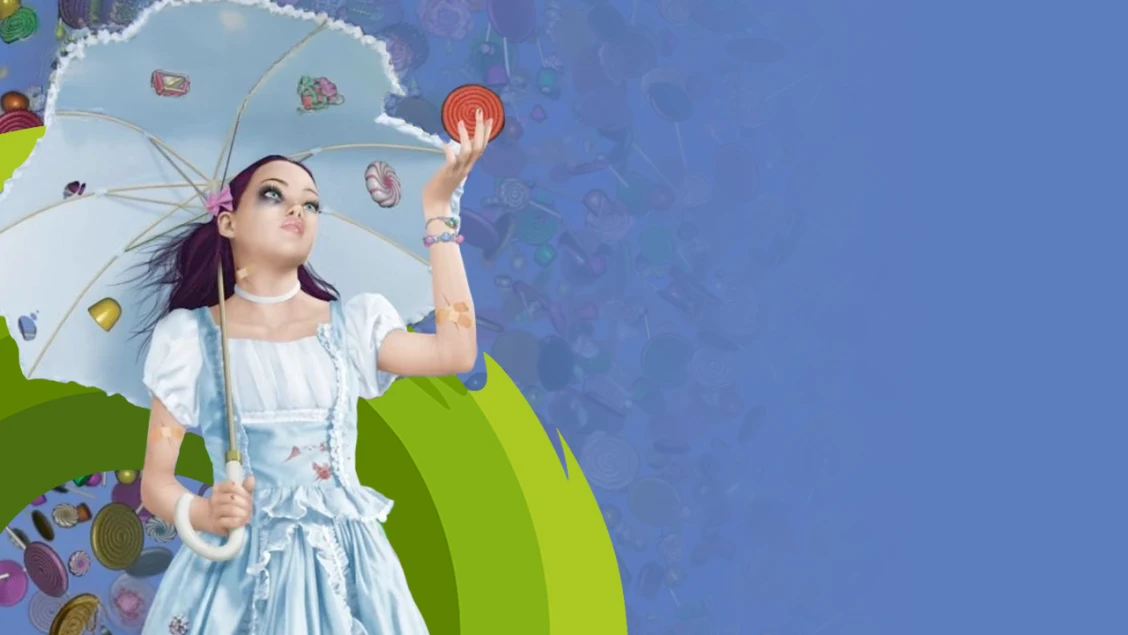
Book Review: Sladký příběh – A Dark Fairy Tale of Bizarro Fiction
Do you dream of reaching the end of the rainbow? In Sladký příběh, a childhood dream turns into a dark reality. Find out in our review why this slim book will consume you. full article...
25. 8. 2026 Tereza Nesvadbová 3 min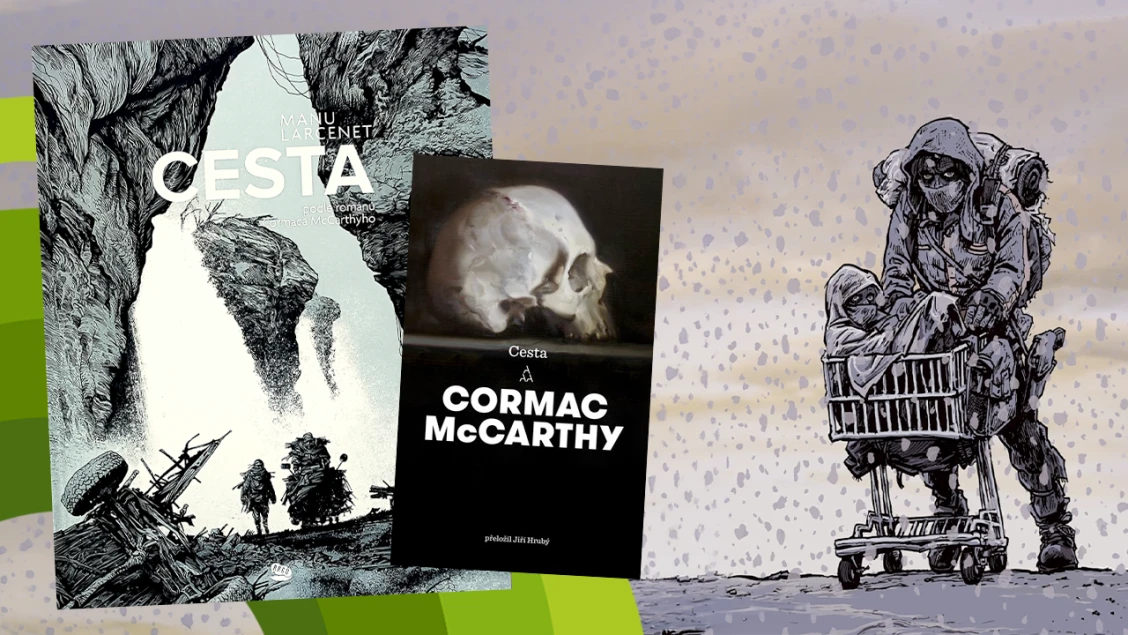
The Road Anniversary: What Did Cormac McCarthy Leave Behind?
Cormac McCarthy's novel The Road celebrates a major anniversary. Remember this post-apo cult classic through the legendary book, film, and the new comic by Lercenet! full article...
1. 7. 2026 Jana Mrkvicová 5 min
Reach for the stars with The Little Prince
Do you know the studio MinaLima? The graphic designers of Harry Potter have breathed new life into The Little Prince. Get ready for a visual journey through the universe that you'll simply fall in love with. full article...
15. 4. 2026 Jana Mrkvicová 4 min